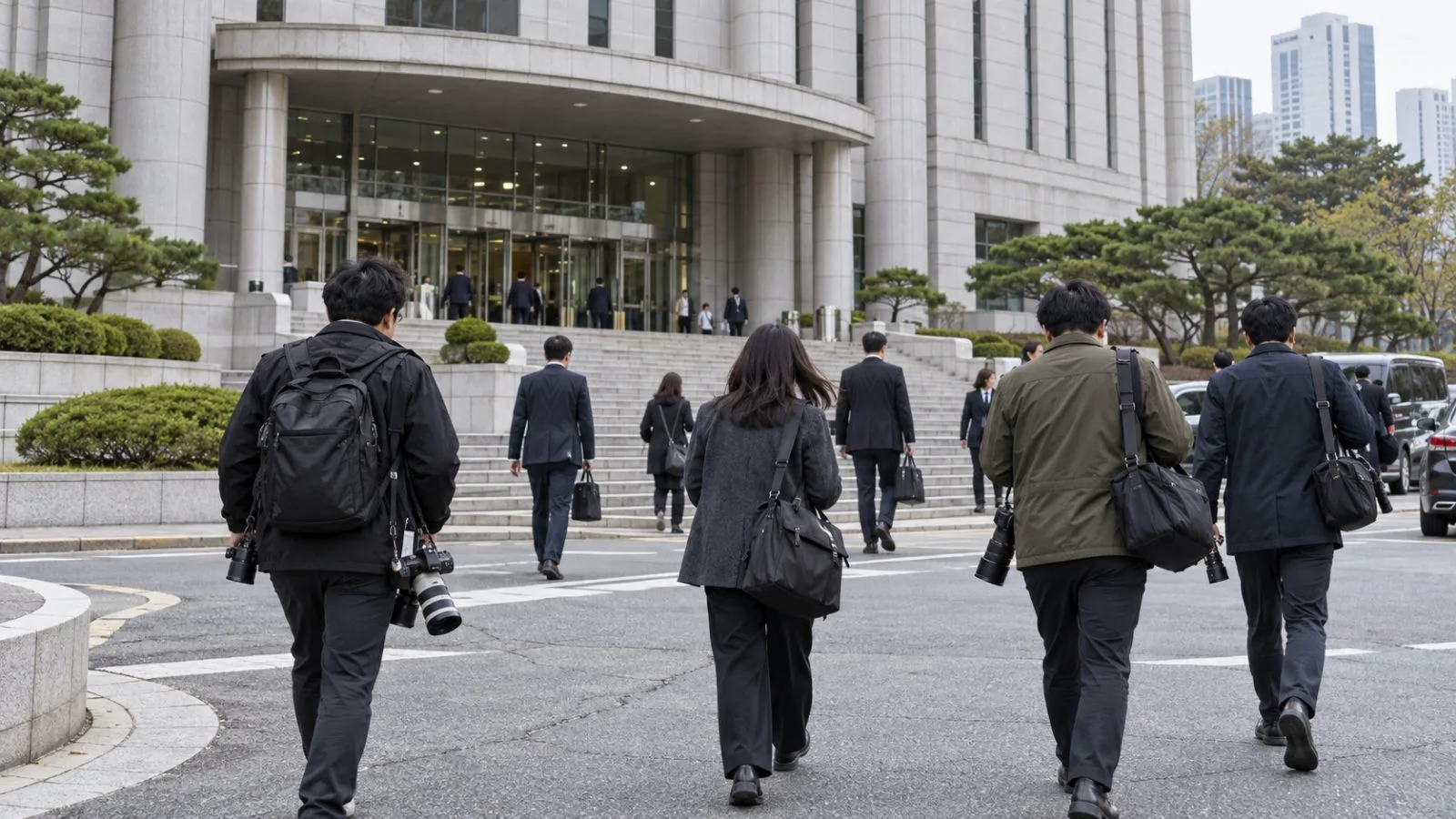
ChosunBiz reported that South Korea’s Seoul High Court on Oct. 22 rejected a 168.2 billion won refund claim by Lone Star Funds and eight related entities, reversing repayment orders against the central government and Seoul.
ChosunBiz said the claim comprised about 153 billion won in corporate tax and 15.2 billion won in local income tax. The Korea Herald valued the combined amount at about $127 million.
Between 2004 and 2007, Korean companies deducted taxes from payments to holding companies tied to Lone Star. Tax authorities later credited those remittances against separate assessments on Lone Star, setting up a dispute over who could seek the money back.
The high court reconsidered the case after a Supreme Court remand. On April 24, 2025, the Supreme Court of Korea ruled that the entity that withheld and paid the tax generally holds the refund right, unless special circumstances apply. It returned the case for the high court to consider whether special circumstances applied.
During the remand proceedings, Lone Star argued that agreements transferred refund rights to the fund. The government said the agreements concerned how any refund would be shared, rather than who could legally claim it from the state, ChosunBiz and The Korea Herald reported.
South Korea’s Ministry of Justice (MOJ) said the principal amount at issue in the central-government case was about 153.4 billion won. It projected at least 128 billion won in refund surcharges and delay damages and estimated potential central-government exposure at about 280 billion won. That figure includes projected costs and concerns the central-government case; it is separate from the combined claim, which also included local tax.
ChosunBiz reported that the high court also dismissed Lone Star’s additional claims and ordered the plaintiffs to pay litigation costs. The plaintiffs can appeal the remand ruling to the Supreme Court, the outlet reported.