The share of declared UK plastic-packaging tonnage meeting the 30% recycled-content threshold reached 51% in financial year 2025-26, but a government evaluation said the tax’s independent effect is difficult to isolate.
HM Revenue & Customs (HMRC) and HM Treasury published the evaluation Oct. 28. Introduced in April 2022, the Plastic Packaging Tax applies to packaging containing less than 30% recycled plastic. It was designed to encourage companies to use recycled material and reduce reliance on virgin plastic. The evaluation examined changes in recycled-plastic use, reliance on virgin material and broader packaging decisions.
The 51% share represented 1,506,000 of 2,970,000 tonnes of declared packaging. In financial year 2022-23, the share was 38%, or 1,290,000 of 3,433,000 tonnes.
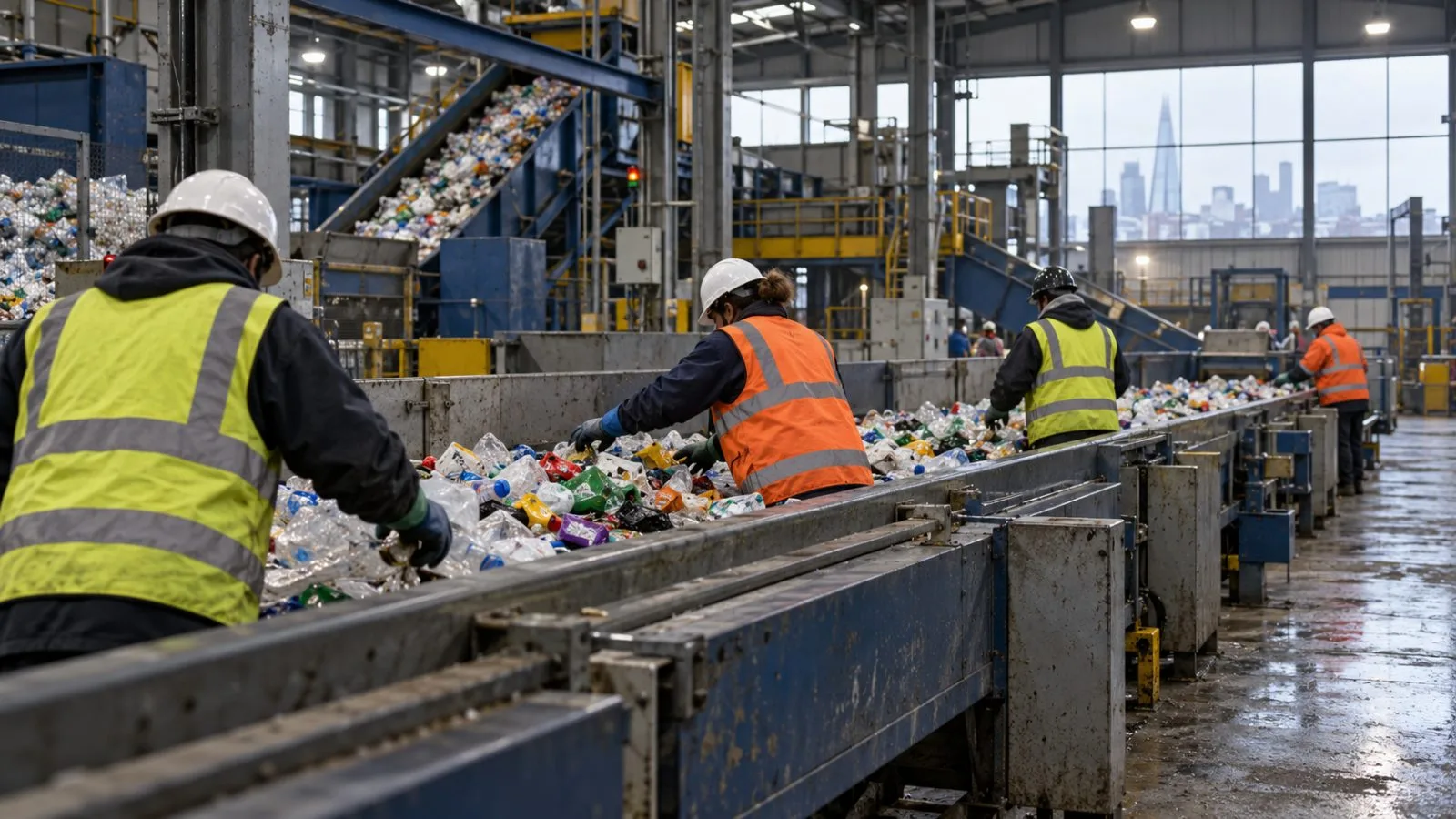
The review found changes in business behavior, though responses were concentrated in only part of the registered business base. Businesses reported switching packaging materials, redesigning products and reducing packaging. The evaluation said commercial, environmental and regulatory pressures also shaped those decisions, and that adjustments appeared concentrated around the 30% threshold.
Some companies said the availability, quality and cost of recycled plastic limited wider use. The review found little evidence that increased demand had substantially expanded recycled-plastic supply. Half of surveyed businesses said they passed some or all of the tax cost to customers.
HMRC’s official statistics estimated accrued Plastic Packaging Tax revenue at £250 million in 2025-26, down from £283 million in 2022-23. An HMRC model estimated average annual greenhouse gas emissions reductions of 260,000 tonnes of carbon dioxide equivalent between financial years 2022-23 and 2025-26.
The evaluation said the available evidence could not separate the tax’s contribution from other influences, while limited pre-tax data made changes harder to measure. It also found that higher recycling rates after the tax began appeared mainly to reflect less plastic packaging waste being generated, rather than a substantial increase in the volume recycled.