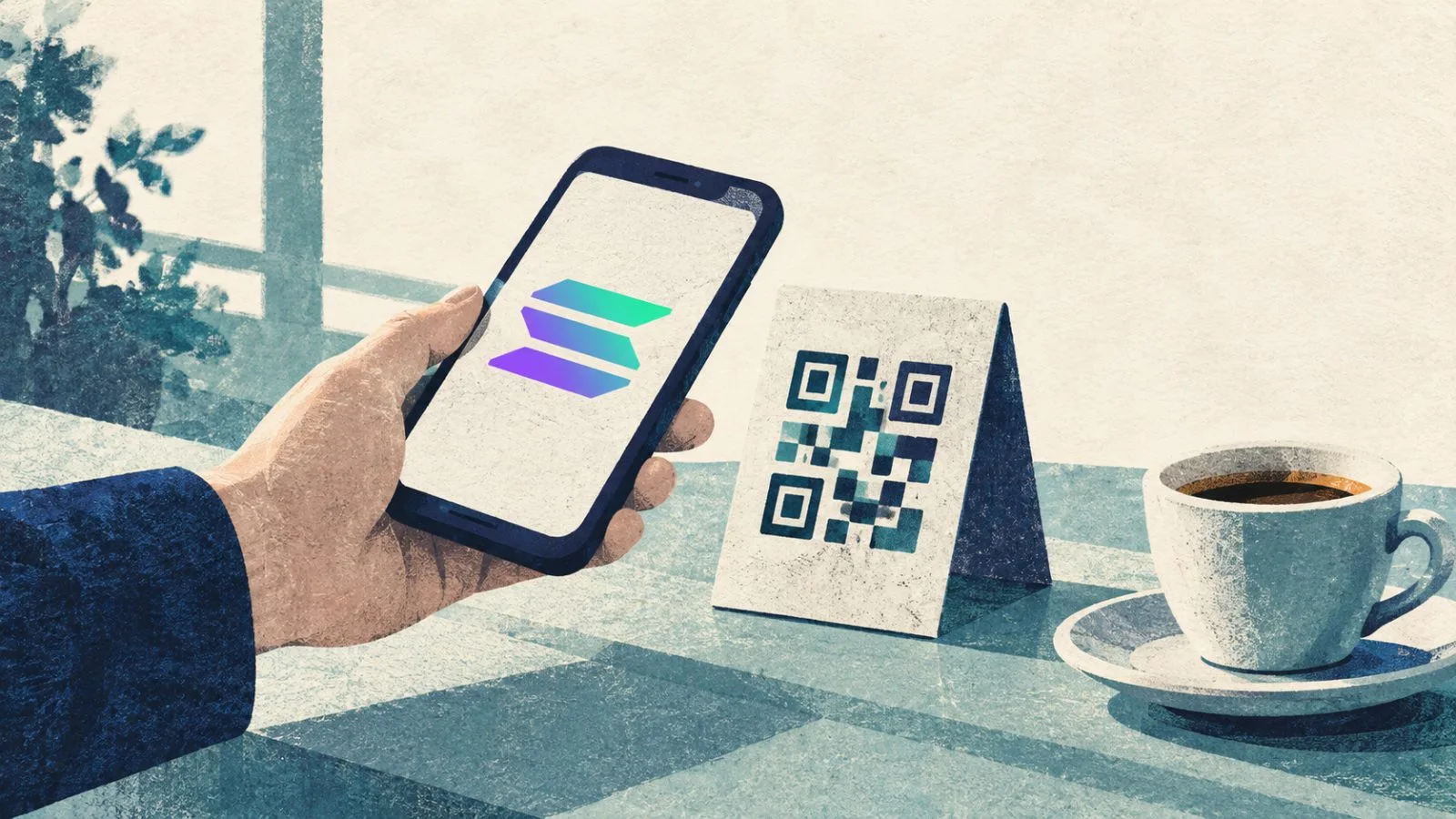
Shiga Digital plans to build self-custody wallet and settlement services for Africa and the Gulf Cooperation Council (GCC), linking local currency access with digital assets for consumers, businesses and financial institutions.
Tether announced Sept. 28, 2026, that Shiga would use its open-source Wallet Development Kit to develop two products. Enta, aimed at individuals and businesses, is designed to let users store and send Tether’s USD₮ stablecoin, Bitcoin (BTC) and Tether Gold (XAU₮), with wallet funding available in local currencies, U.S. dollars or Bitcoin.
Pulse would give banks, fintech companies and other institutions tools to build payment services along selected routes, alongside treasury and settlement functions. Tether said customers could deploy the infrastructure in their own systems or use a setup run by Shiga, while keeping authority over their keys, data and funds.
Shiga’s company history traces the business to Facilitate FX, a dollar-naira transfer operation established in 2016. The company says its team supplied dollar liquidity to early Nigerian stablecoin projects in 2019, before setting up Shiga’s over-the-counter desk in 2021. Tether announced a strategic investment in Shiga on June 5, 2025, without disclosing its value.
In an interview published by Tether on Sept. 29, Shogbeni said Shiga had processed more than $350 million, with virtually all of the volume coming from corporate treasury conversions and cross-border settlements. He did not specify the period covered. BusinessDay reported on Oct. 29 that Shiga’s V2 products had processed more than $450 million; it gave no measurement period, and the reports do not define matching scopes.
The World Bank reported an average total remittance cost of 8.46% for transfers to Sub-Saharan Africa in the third quarter of 2025. That figure covers remittances, not commercial supplier payments or Shiga’s fees. Shiga says it earns from execution and infrastructure services rather than holding client balances to generate yield; licensed entities handle fiat intake and payouts, including know-your-customer (KYC) procedures and transaction monitoring.
Shogbeni said users would retain control even if Shiga stopped operating. He said the wallet’s recovery path must work without an administrator reset by Shiga, and that an independent review of its key management design was underway.
Chief Operating Officer Dami Etomi said Shiga was completing the final stage of approval for a Nigerian Digital Asset Intermediary license. Nigeria’s Securities and Exchange Commission (SEC) describes approval-in-principle under its Accelerated Regulatory Incubation Program (ARIP) as conditional sandbox clearance, with full registration a later step. Etomi gave no date for a licensing decision, and Tether announced no product launch date or fee schedule.