
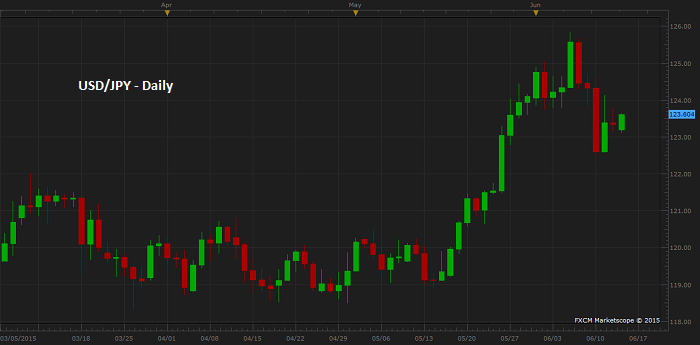
In 2015, Japan's popular Prime Minister Shinzo Abe is not looking so popular anymore.
- Latest record shows, poll ratings are at their lowest since taking up his second spell in office in 2012. Weekend poll showed Mr. Abe's support has fallen to 41%, down 2.5% from last month and it is in slide similar to Yen against dollar.
- People strongly supported him, in his war against Japanese deflation and to revive economic activity. However after three years of struggle, that war is still to be won. Moreover Japanese consumers found out that after years of deflation, they are not too comfortable with price hike as well as tax hike.
Moreover Mr. Abe wants to achieve a change in constitution that would enable Japan to defend its allies which as of now is barred by law. According to polls almost 62.5% Japanese remain opposed to that.
Though japan still lacks any stronger leader, who might challenge Mr. Abe's position as prime Minister, opposition are preparing to give the Prime Minister tough fight in this securities law, hoping to crack Mr. Abe's support.
As of now, Bank of Japan (BOJ) and the government remains committed to fight deflation and maintain the record buying, however sliding rating and lower consumer spending might lead the officials to rethink the stimulus. However as long as that doesn't happen, Yen remains sell against Dollar or basket of currencies (Dollar/Euro/Pound).


