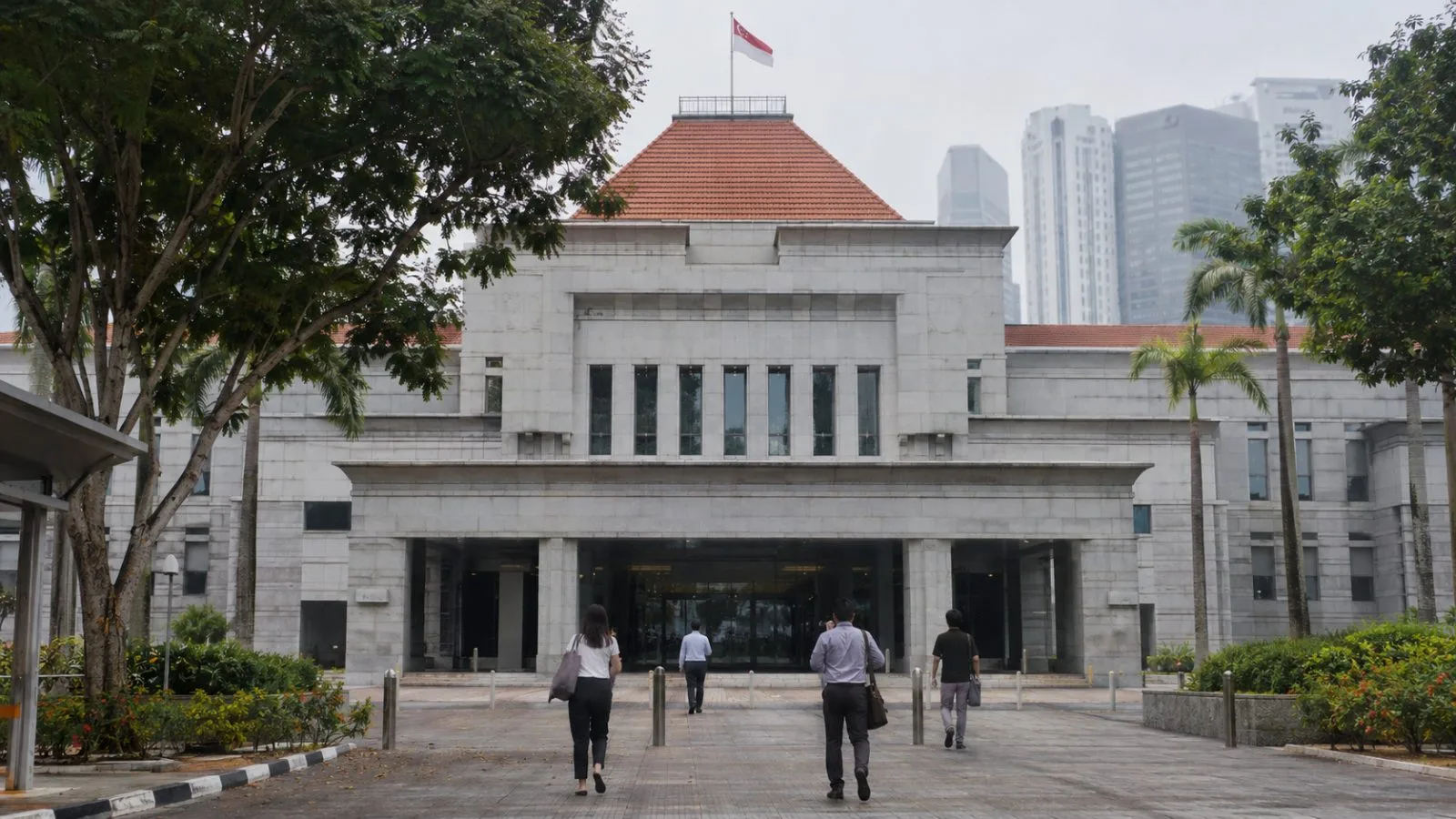
Singapore’s Parliament debated a bill Wednesday that would raise haze fines tenfold and allow restrictions on dealings with designated parties, extending enforcement to overseas fires before smoke reaches Singapore.
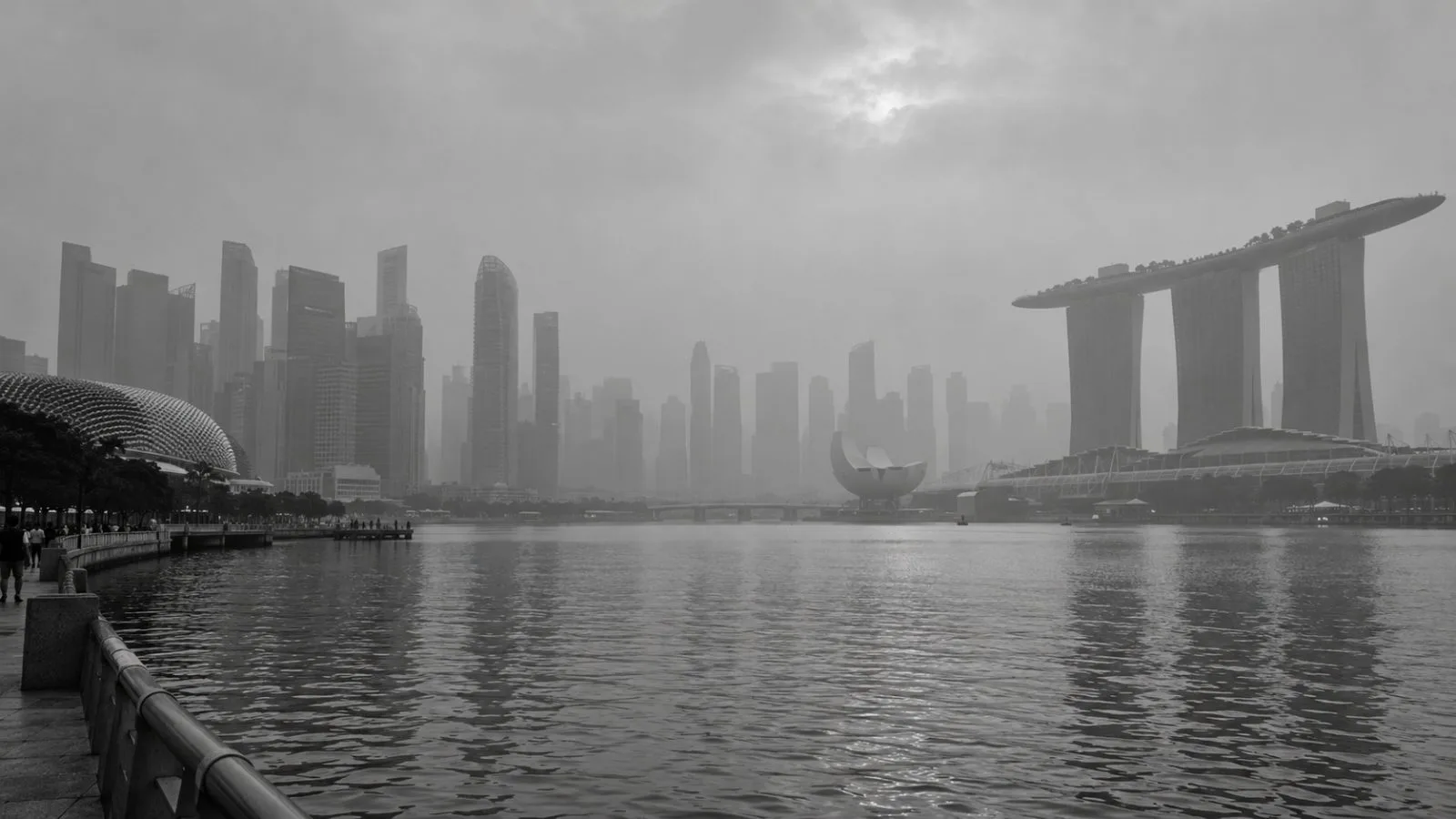
The maximum fine for the main offense would rise from S$100,000 to S$1 million a day, with the total cap increasing from S$2 million to S$20 million. A court could also require a convicted entity to surrender an amount reflecting profits gained or losses avoided through the offense. The National Environment Agency (NEA) said the proposal follows Singapore’s most severe haze episode since 2015.
Minister for Sustainability and the Environment Grace Fu would have the power to designate an entity or individual under the proposed law. Grounds would include a conviction, suspected conduct that violates the haze law, failure to comply with a notice or direction, or an adverse assessment report. Designation would not itself establish responsibility for a fire.
Orders involving designated parties could bar purchases or sales of goods and services, as well as loans and other financing. A breach could bring a fine of up to S$1 million for each violation. If it continued after conviction, a further fine of up to S$100,000 a day could apply.
The bill would require forestry and agricultural businesses put on notice to take appropriate steps to keep entities that cause or contribute to haze-threatening fires out of their supply chains and commercial arrangements. The Director-General of Environmental Protection could direct an entity suspected of a haze link to pay for assessors specified in the direction. Their reports would go to NEA, but the direction itself would not establish an offense.
The amendment would extend the law to an entity’s contribution to an overseas land or forest fire that poses a haze risk to Singapore, even if smoke has yet to arrive. With the Public Prosecutor’s consent, NEA could instead seek a civil penalty of up to S$10 million. The same case could not receive both civil and criminal penalties.
Fu said cross-border investigations make it difficult to secure and check evidence about fires, ownership and supply chains. “Evidence may be lost or altered,” she told Parliament. She said irresponsible land practices can benefit companies while people across Southeast Asia bear the effects of haze.
By Oct. 27, NEA had sent preventive notices to Indonesian companies, bringing the number of recipients to 10. The notices sought action against fires and were not findings of liability.