Singapore's first of four new offshore patrol vessels has been launched in Germany, beginning a replacement program intended to give the government more options for maritime security missions.
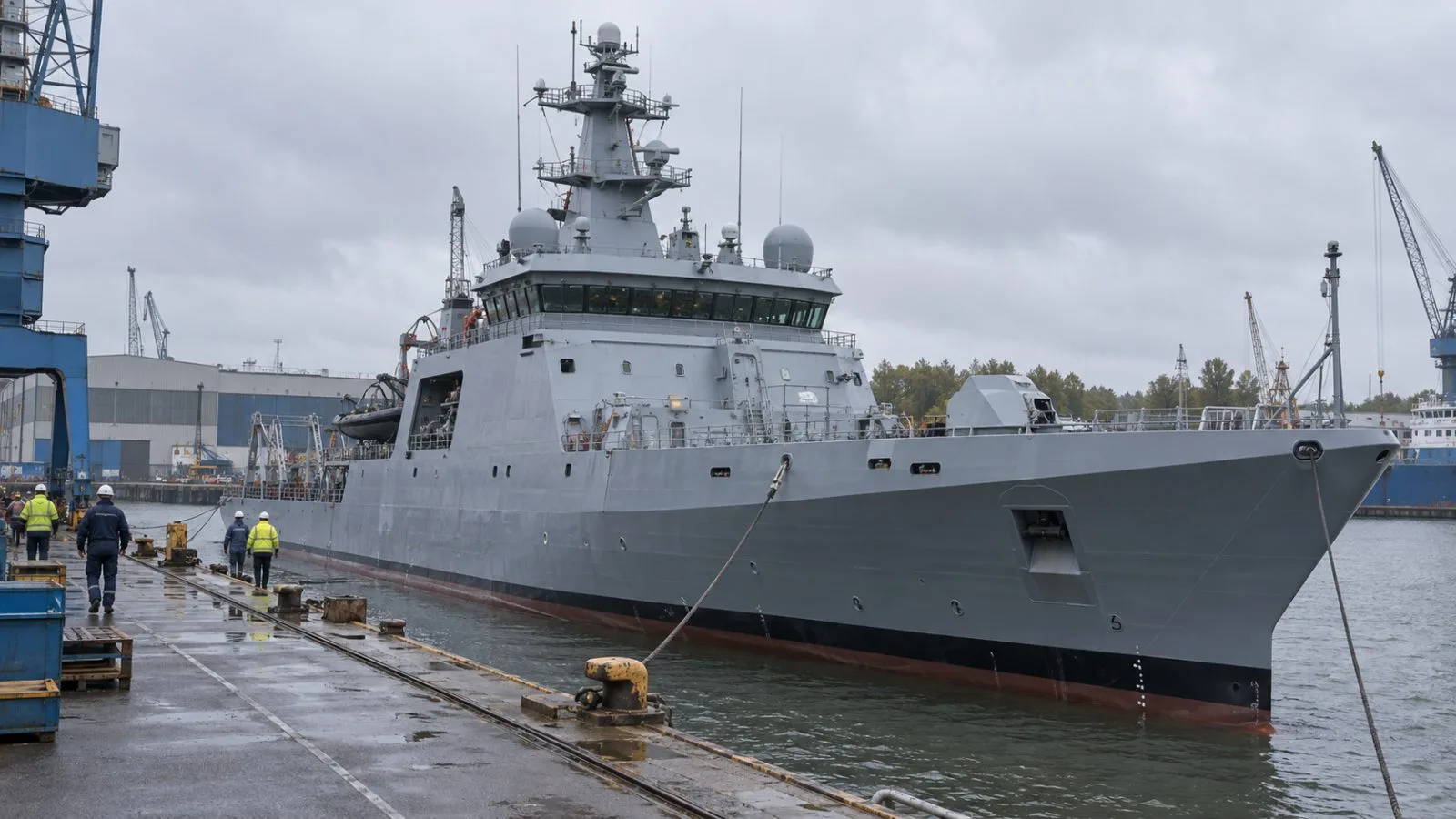
Sentinel, the Republic of Singapore Navy's (RSN) first Sentinel-class offshore patrol vessel (OPV), was launched at the Fassmer shipyard in Berne on Oct. 1, 2026. Defence Minister Chan Chun Sing officiated at the ceremony, the Ministry of Defence said.
Sentinel will undergo platform acceptance checks and sea trials before sailing to Singapore. The ministry has not given a date for those steps or the ship's arrival. The other three vessels are under construction, and progressive deliveries are due to start in 2028.
The new OPVs are to replace the RSN's existing Sentinel-class Maritime Security and Response Vessels. Those vessels will remain operational while Singapore brings the replacements into service, according to the Ministry of Defence.
The ministry says the ships are intended for maritime security work in Singapore's congested waters and will operate alongside the Police Coast Guard and the Maritime and Port Authority of Singapore. It cites the growing scale and complexity of maritime security threats as part of the reason for the vessels. Chan told Parliament on Feb. 27 that Singapore needed calibrated responses to threats below the threshold of war, and pointed to drones as technology changing the speed, scale and cost of conflict.
The equipment list for each ship includes a STRALES 76mm guided gun and a RAFAEL 30mm Remotely-Controlled Weapon System. Other equipment includes a water cannon, a less-lethal grenade launcher, a laser dazzler and an acoustic hailing device. The vessels can also carry containerized systems and launch crewed and uncrewed craft. The ministry says bow fenders support close approaches to other vessels and key operational spaces have ballistic protection.
Separately, a Ministry of Defence maritime security fact sheet dated Jan. 18, 2022, estimated that about one-third of global container trade and about one-quarter of global oil trade pass through the Straits of Malacca and Singapore each year. The ministry described seaborne trade as vital to Singapore's economy.