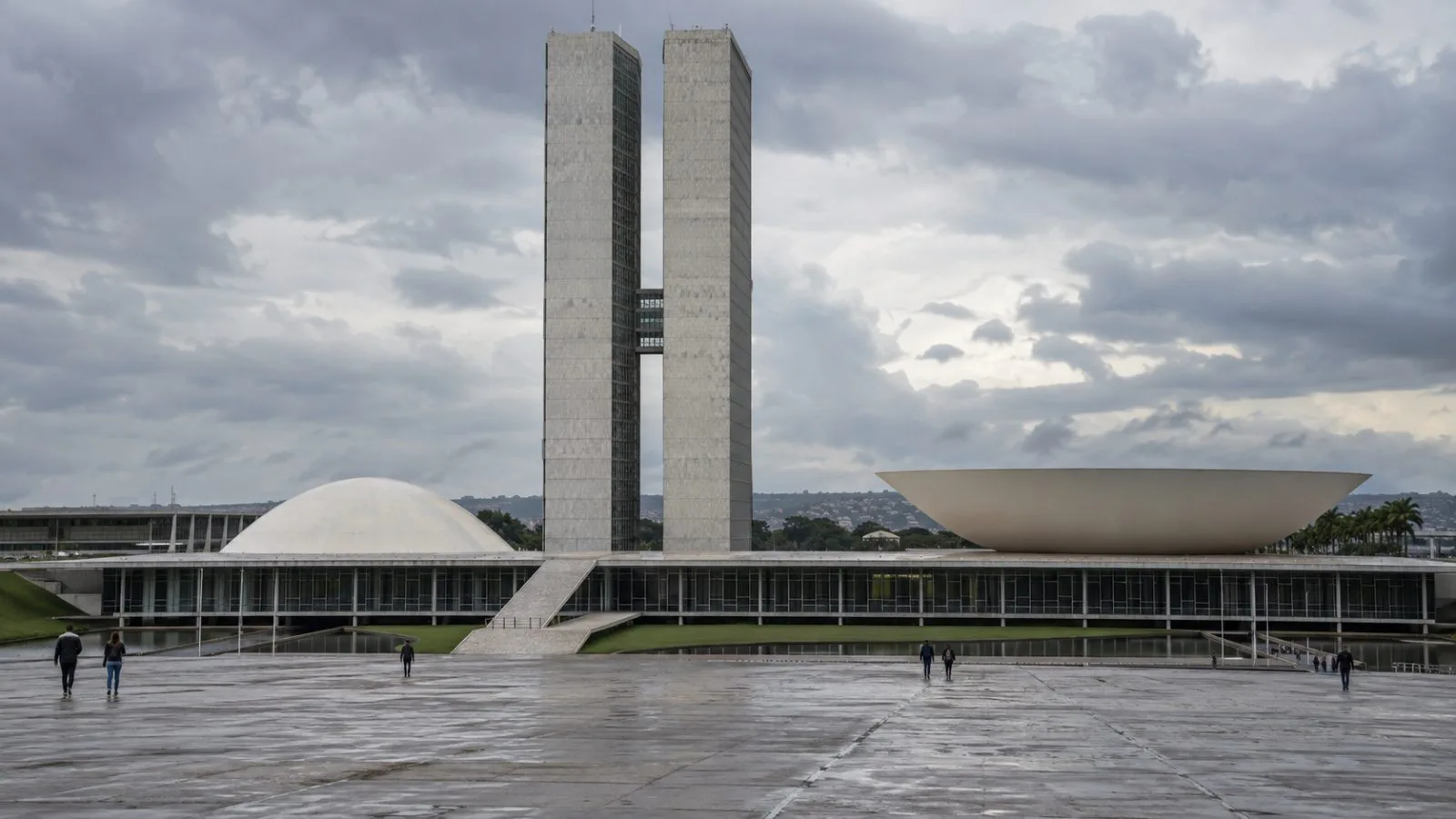
Brazil’s Sunday, Oct. 25, presidential runoff is sharpening attention on how business groups align with political power, as political scientist André Singer says those coalitions help explain the country’s recent turns.
Brazil’s Superior Electoral Court (TSE) reported that Flávio Bolsonaro received 47.03% of valid votes on Oct. 4, compared with 45.16% for President Luiz Inácio Lula da Silva, with 99.99% of voting machines tallied. Flávio entered the runoff with a first-round lead, and the TSE set the next vote for Oct. 25.
Singer made the argument in an interview published Oct. 22 by Phenomenal World. He described Brazil’s ruling-class interests as “contradictory” and said political alignments among business sectors can change as policy choices affect their priorities. He uses those shifting alliances to explain Brazil’s political swings.
Singer said finance and banking were relatively neutral in the 2018 election, when agribusiness and extractive industries backed former President Jair Bolsonaro. He said financial interests later broke with Bolsonaro and backed Lula’s 2022 campaign.
In Singer’s account, the shifts reflect disagreements over the state’s role in development and the distribution of power at work. He said some sectors support public capacity and infrastructure to promote growth but oppose policies that increase workers’ influence. Singer identified land reform as a possible flashpoint and used a “pendulum” image associated in the interview with former President Fernando Henrique Cardoso.
The Associated Press reported Oct. 22 that the Liberal Party’s lower-house delegation grew by 23 seats and its Senate presence almost doubled. The Workers’ Party retained roughly the same number of seats, AP reported, describing the broader congressional result as a move to the right.
Brazil’s Supreme Federal Court (STF) said its four criminal cases addressed efforts to prevent Lula from taking office and keep Jair Bolsonaro in power after the 2022 election. The court reported two acquittals among the 31 defendants, with the other 29 convicted. Bolsonaro was sentenced to 27 years and three months. The next presidential vote is scheduled for Sunday, Oct. 25.