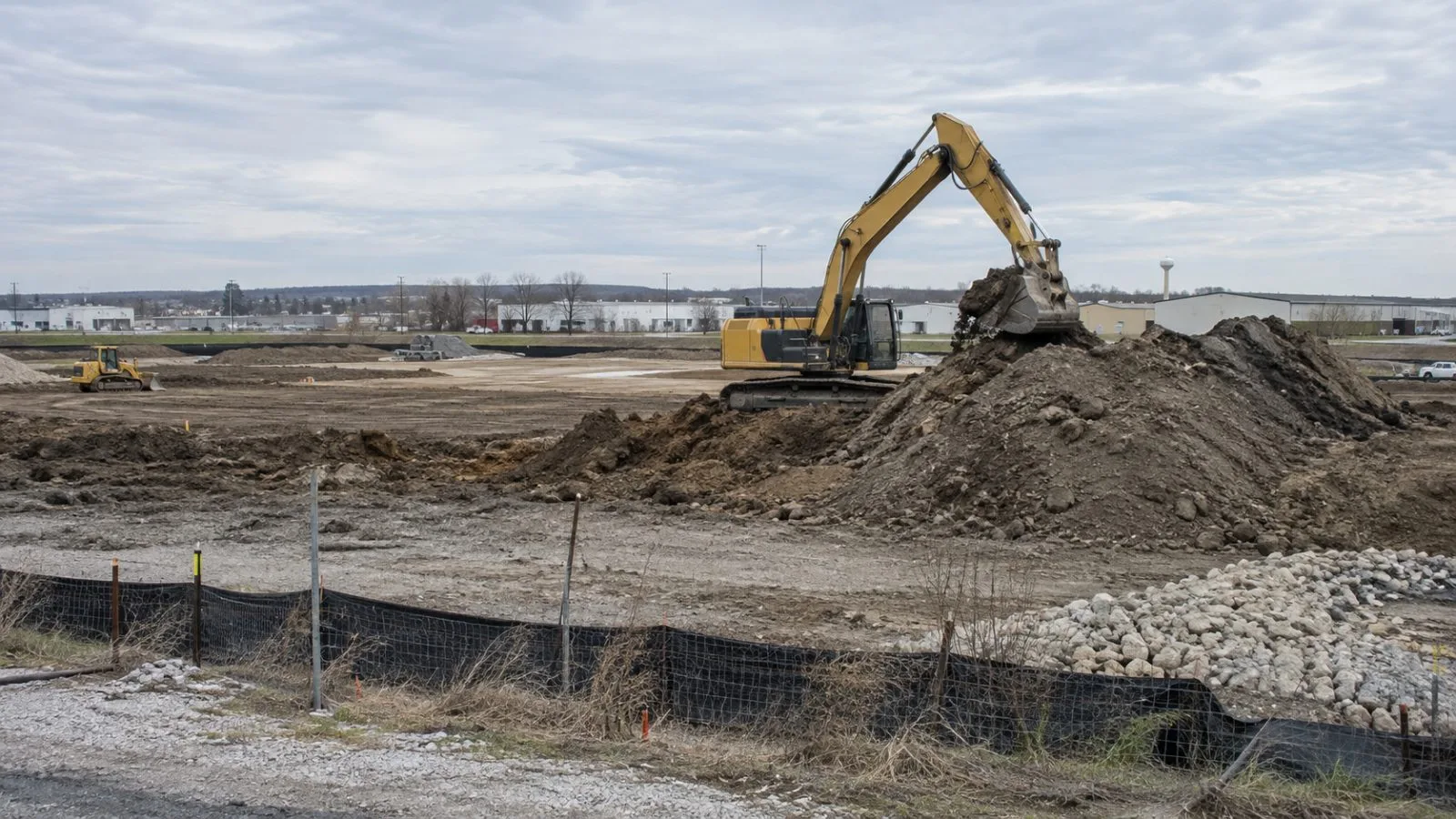
A new study shows size matters in solar energy. The first ever life-cycle analysis comparing big and small solar photovoltaic systems has concluded that small-scale solar systems are in fact better for the environment than even the largest, and most efficient, solar farm.
Historically, solar electric systems were so expensive that many felt they could not pay for themselves. Today’s reality could not be more different with renewables now the cheapest form of energy in the global mix. Not only that, solar panels can now easily repay the energy invested in their production many times over.
Today, the lowest solar costs are found in giant solar farms. This has led some to claim large solar operations are better for the environment. However, the new life cycle analysis that I coauthored with Riya Roy at the University of Western Ontario has similarly shown this is wrong too — smaller is better for the Earth.
Solar is cheap and works in Canada
Solar photovoltaic costs have dropped even faster than experts predicted to the point that solar electricity is normally the least expensive source of power according to the International Energy Agency.
A recent study has shown that everyone that lives in Michigan would have thicker wallets if they invested in rooftop solar instead of paying the local utility for — often out-of-state — coal-fired power.
Indeed, solar is so cheap it can subsidize other energy devices. For example, solar-powered heat pumps are profitable for home owners in the northern United States and Canada as they offset the purchase of ‘natural’ gas.
Solar panels pay for the energy invested in them in less than a year even in Canada and they last for 25 years under warranty (but can last much longer). Solar panels actually get more efficient as the temperature gets colder, and the snow losses in most of Canada are actually modest (only a few percent). You can even get a boost from snow albedo (unless you have ground interference).
As the climate continues to warm, snow will sadly become even less of a problem for solar panels.
Although solar power works great in Canada, to eliminate carbon emissions by 2050 and reach Canada’s commitments, we will need a lot of solar panels. One study predicted we would need only one per cent of Canada’s agricultural land to offset all fossil fuels for electricity generation if we installed large-scale solar farms — a seemingly modest amount of land.
This, however, begs the question: should we have a bunch of rooftop systems or a few super-large solar farms?
Your roof or a solar farm?
Although solar farms cost less money per unit energy for the utilities, it might be smarter to put solar on your roof.
Our life cycle analysis study compared rooftop solar systems to multi-megawatt utility-scale solar photovoltaic systems from production to decommission. We found rooftop solar systems require 21 per cent to 54 per cent less input energy, make 18 per cent to 59 per cent less carbon dioxide equivalent of greenhouse gas emissions, and consume a reduced quantity of water ranging from one per cent to 12 per cent per kilowatt-peak.
That means, the energy payback time of rooftop solar systems is approximately 51 per cent to 57 per cent lower than that of ground-mounted solar systems across all locations.
The primary reason for this huge advantage is that rooftop solar uses the existing infrastructure of the house or building and thus requires radically reduced material use as opposed to freestanding racks. Similarly, by putting the solar panels close to the electric load, transmission losses across the grid are reduced.
Overall, the carbon dioxide payback time was 378 to 428 per cent longer for ground mounted large-scale solar farms compared to rooftop solar for the same modules.
Although water use is dominated by the photovoltaic modules themselves, it is important to note that the water consumption for the utility scale ground rack is approximately six to 260 times that of the rooftop mounting structure depending upon variances in solar modules and mounting techniques.
Or both?
With these better environmental values, it might be tempting to conclude we should implement aggressive policies to encourage small-scale rooftop solar. This would provide for the most resilient infrastructure, save consumers a ton of money on electric bills and do good by the environment.
However, the plain truth is that, despite their clear benefits over large-scale operations, we simply do not have enough rooftop area to also cover needs like electrified heating and transportation. A mixed approach is needed.
We might consider for the additional solar power to come from agrivoltaics which purposefully combine solar with agriculture. Agrivoltaics has the advantage that it does not sacrifice agricultural land and indeed can lead to increased food production. Agrivoltaics is highly profitable and is growing rapidly in the U.S., Asia and Europe and agrivoltaics in Canada has a strong foothold — with particularly notable potential benefits for a post-fossil fuels Alberta.
As is often the way, there is no one clear solution.
If you have an unshaded roof on your home or building then you should look for a local supplier to enjoy some cost savings on electricity. Likewise, if you own a farm consider installing agrivoltaics to grow more food while also making an additional income generating electricity to power our electric vehicles (EVs) and heat pumps.
Regardless, we can take heart in knowing that renewable solar electricity will no doubt play a key role in powering our world for years to come.