Canada’s national AI strategy names trusted partnerships as a pillar of building sovereign AI capacity, while Minister of Artificial Intelligence and Digital Innovation Evan Solomon’s Berlin meetings focused on AI safety and shared standards.
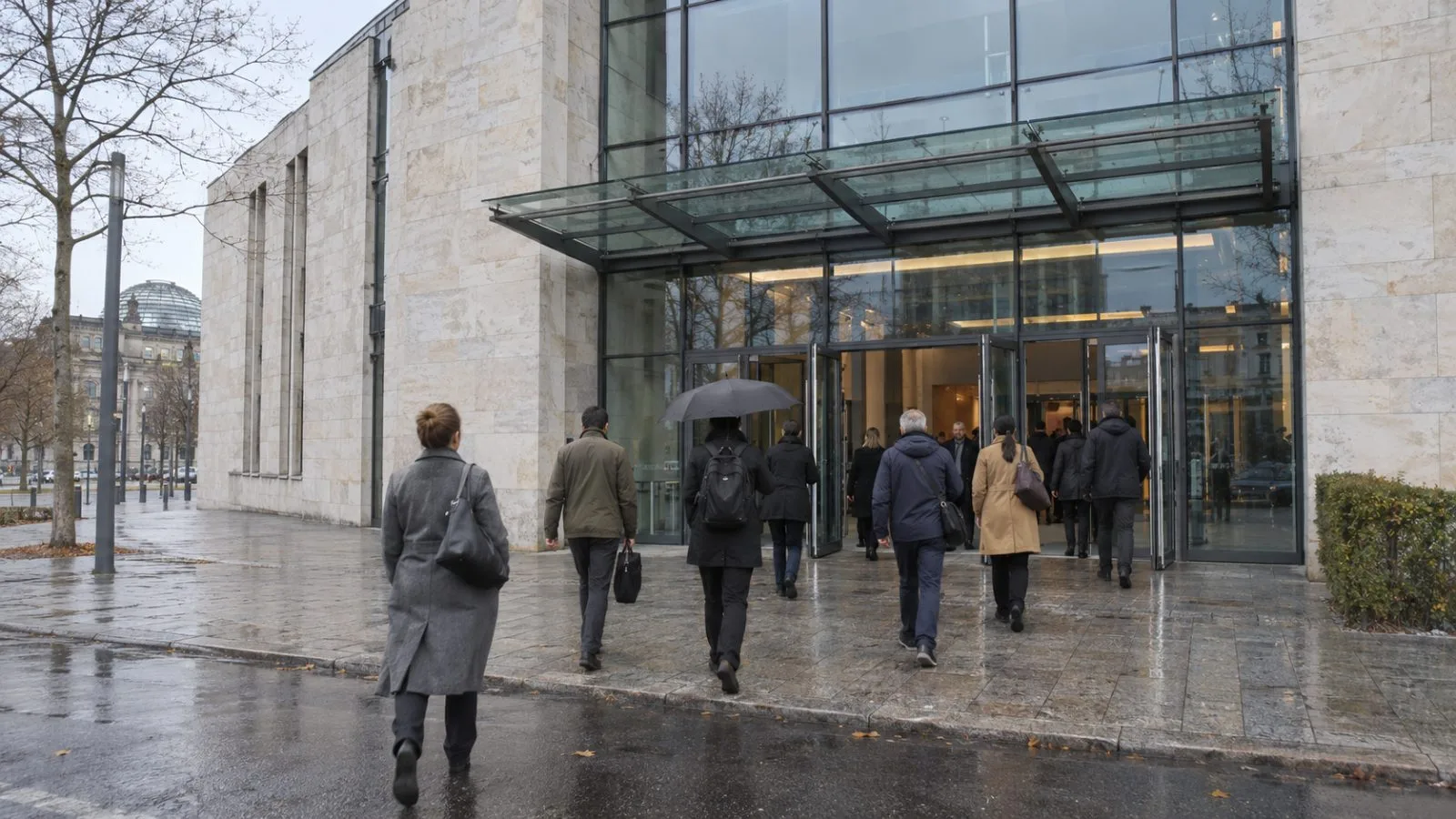
At Germany’s 2026 Digital Summit, Solomon addressed a session on cooperation among technology middle powers and joined a ministerial discussion hosted by Chancellor Friedrich Merz, Innovation, Science and Economic Development Canada said. Germany’s government said the summit opened Nov. 2, ran for two days and used the theme “Shaping AI: safe, sovereign, competitive.” Merz welcomed Solomon during his summit speech.
The department said Solomon met with German Federal Minister for Digital Transformation and Government Modernisation Dr. Karsten Wildberger to discuss the Sovereign Technology Alliance, AI safety and common standards. Wildberger said, “Our approach is sovereignty through partnership.” Canada’s release also listed meetings with Anne Le Hénanff of France, Willemijn Aerdts of the Netherlands and Viktor Rossi of Switzerland, as well as representatives of SAP, Schwarz Digits and Giesecke+Devrient.
Canada and Germany signed an AI declaration and launched the alliance on Feb. 14, 2026, following a Canada-Germany Digital Alliance announced in December 2025. Their planned cooperation includes secure computing infrastructure, AI research and commercialization, and talent development. Canada’s strategy says the country aims to build sovereign AI capacity with allies and reduce reliance on dominant technology ecosystems.
Before the Berlin visit, Canada and Germany announced plans on Sept. 16 to invest CAD 150 million and EUR 100 million, respectively, in LawZero, a not-for-profit organization. Canada said the project was expected to create 360 full-time jobs in Canada; Germany’s planned contribution was contingent on notification by the European Commission. The Canadian government described workers, businesses and innovators as intended beneficiaries of its AI partnerships. Its release gave no new funding terms, deadlines or specific follow-up actions from the visit.