


 Apple Cuts iPhone 18 Pro Production Orders Amid Weak Demand
  Arthur Hayes Announces FLOP Testnet Launch Within Weeks
  Morgan Stanley Predicts $10 Trillion RWA Market by 2030
  TSMC Q3 Revenue Beats Estimates as AI Chip Demand Surges
  Tencent Shares Fall as $5 Billion AI Bond Sale Weighed
  DeFi Development Adds 22,070 SOL to Solana Treasury
  Hyperliquid (HYPE) Price Analysis: Can Bulls Push Above $88?
  Robinhood Chain Eyes Priority Gas Auctions for Faster Trades
  Samsung, SK Hynix Shares Fall as China's CXMT Advances DRAM Technology
  NEAR Price Surges 11% as Trading Volume Doubles
  BNB Price Faces Pressure as DOJ Investigates Binance
  Moonshot AI Executives Seek Settlement Ahead of Hong Kong IPO
  Apple Supplier Luxshare Sees Limited Impact From US Patent Probe
  Zcash Plans Quantum-Resistant Security Upgrade for January
  Oracle Uses Trucked Natural Gas to Power AI Data Centers Amid Pipeline Delays


 Add as a preferred source on Google
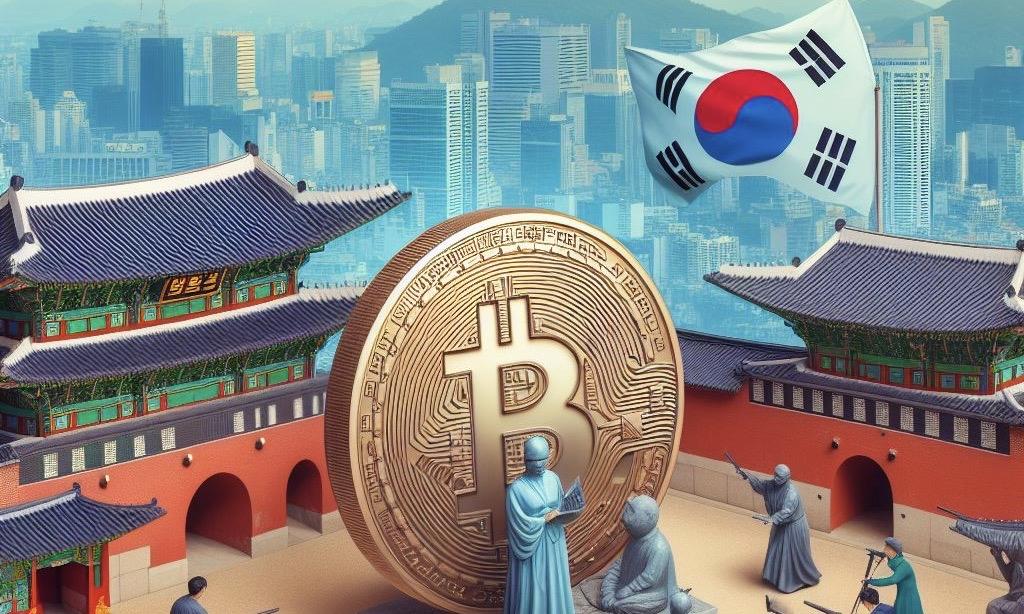
South Korea's recent amendments to donation laws have raised concerns as cryptocurrency remains excluded from permissible donation methods. The Ministry of Public Administration's decision, reported by local media outlet Kyunghyang Shinmun, limits donation options to department store gift cards, stocks, and loyalty points from tech giants like Naver, leaving out digital currencies like Bitcoin.
South Korea's Crypto Exclusion Sparks Concerns Amid Global Crypto Donation Trend
While the rationale behind this exclusion remains undisclosed, the legislation will still permit donations in stablecoins pegged to the Korean won and blockchain-issued gift vouchers.
According to Cointelegraph, the move comes amid a global trend of charities accepting cryptocurrencies, with over $2 billion expected in crypto donations internationally by January 2024. This decision raises questions about the accessibility of cryptocurrency donations for South Korean charities, especially in contrast to the growing acceptance in other regions.
South Korea's newly modified donation legislation excludes digital currencies, potentially harming the country's charities and donation drives.
On May 5, local media outlet Kyunghyang Shinmun reported that the Ministry of Public Administration indicated that some revisions to South Korea's "Donations Act" had been filed. Still, they restricted the usage of cryptocurrency for donations.
Starting in July, anyone desiring to donate to charity groups or causes can utilize various new methods, including department store gift cards, stocks, and loyalty points from Korean internet giant Naver, but not crypto assets like Bitcoin.
The act governing the gathering and use of donated products was initially enacted in 2006 when there were fewer payment methods and smartphones were not widely available, it stated.
Donation techniques went beyond bank transfers and online means, including automatic response systems, postal services, and logistics services.
Despite their popularity in South Korea, the Ministry did not cite a reason for barring digital asset donations; nonetheless, the legislation will allow donations in local government-issued, KRW-pegged stablecoins and blockchain-issued gift vouchers.
South Korean Charities Miss Out on $2 Billion Crypto Donation Market, While American Counterparts Embrace Digital Assets
According to TheGivingBlock, more than $2 billion is expected to have been donated internationally using cryptocurrencies by January 2024, a market in which local charities would not be authorized to participate.
Meanwhile, it has been revealed that more than half of American charities already accept digital assets as gifts.
In late April, it was announced that South Korea planned to turn its interim crypto crime investigation team into an official department to combat the rise in crypto-related crimes and financial fraud.
In related news, Singapore-based cryptocurrency exchange Crypto.com fails to gain traction in South Korean markets due to regulatory barriers.
In April, Cointelegraph claimed that South Korean officials discovered anti-money laundering (AML) issues in the exchange's data and initiated an "emergency on-site inspection" to monitor its operations.
Photo: Microsoft Bing







