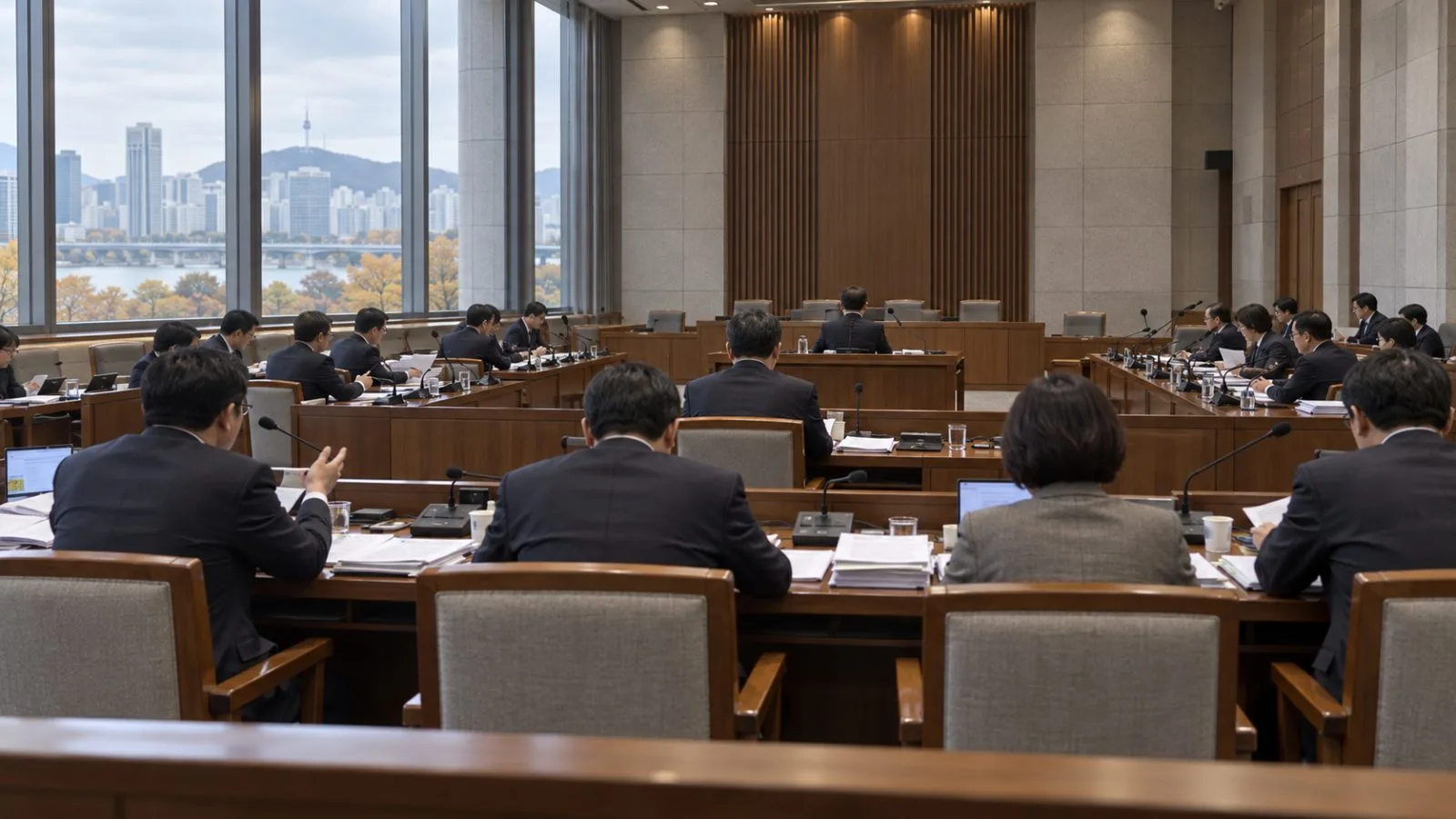
South Korean President Lee Jae Myung said the country will keep the option of joining the Comprehensive and Progressive Agreement for Trans-Pacific Partnership open while delaying an application, as official estimates show uneven effects across industries.
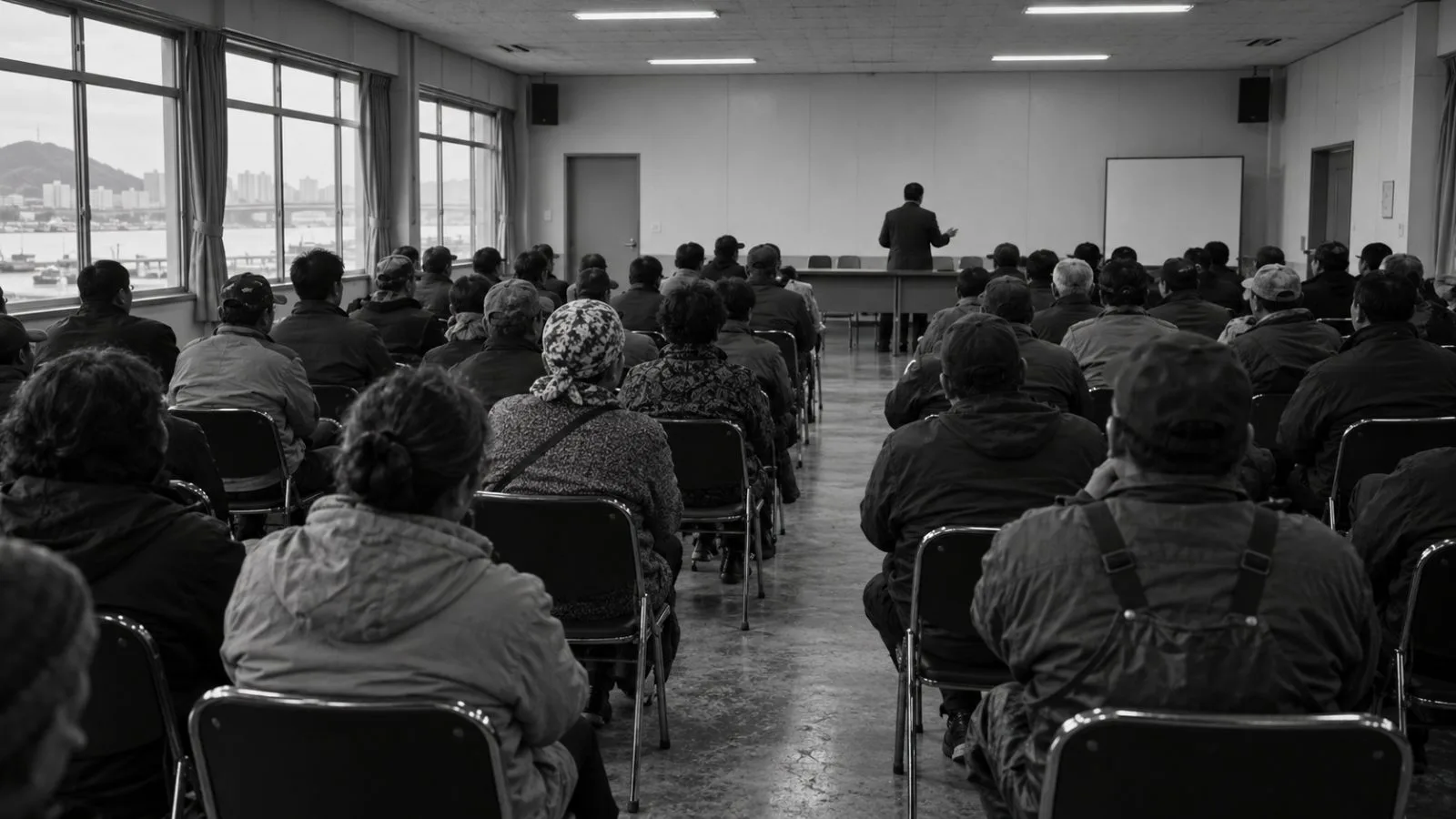
Speaking to about 110 farmers and fishers in Seoul on Oct. 26, Lee said agriculture, fisheries, forestry and livestock are tied to national security and the country’s survival. He argued that people with less political influence should not be left to absorb losses from national policy. The remarks put the distribution of potential costs at the center of the membership debate.
South Korea will not submit an application in 2026. The Presidential Office said Oct. 8 that Lee instructed government agencies to keep consulting farmers and fishers, without setting a new deadline. The office said South Korea needed to publish a public-hearing notice by mid-October for its application to be considered at the CPTPP ministerial meeting in November.
Yonhap News Agency reported that Lee said accession could take years and might extend beyond his presidency. A 2023 CPTPP ministerial statement says decisions on accession require consensus among the bloc’s members.
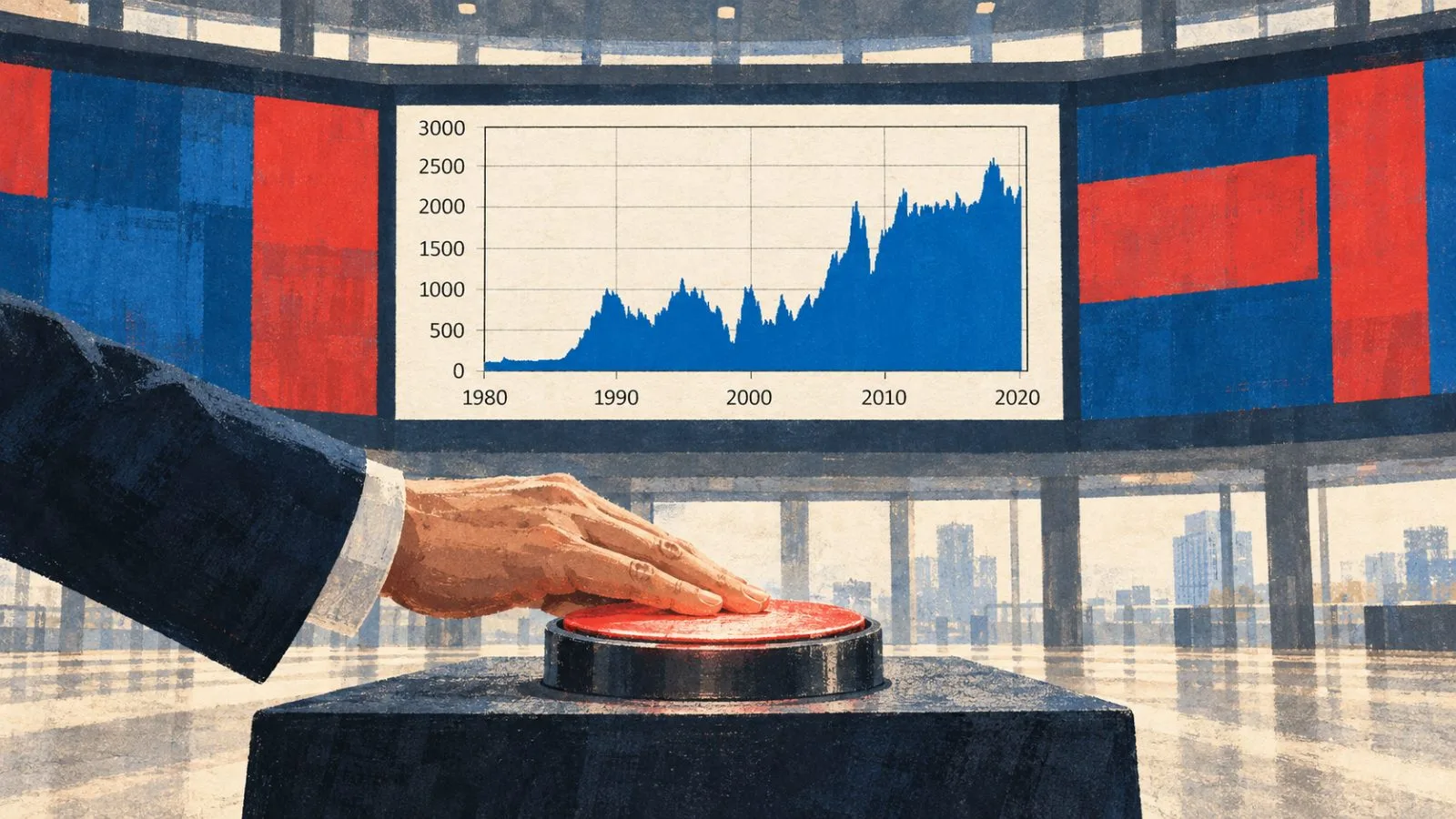
A joint government assessment released Sept. 28 estimated that real gross domestic product would be 0.38 percentage points higher 10 years after the agreement takes effect than under a scenario without membership. The estimate compares the scenarios at the 10-year point; it is not an annual growth rate.
For the 15 years after the agreement takes effect, the assessment projected average annual manufacturing production spillovers of 6.3 trillion to 6.7 trillion won, including 1.1 trillion to 1.2 trillion won linked to small and midsize businesses. It also projected average annual production declines of 710 billion won in agriculture, 60.6 billion won in forestry and 81.7 billion won in fisheries, totaling about 850 billion won.
The government linked the projected changes to tariff adjustments and said wider participation in regional supply chains could bring additional benefits. It described the figures as provisional model estimates that depend partly on negotiated market-access terms and other conditions.
The CPTPP’s November ministerial meeting is the next scheduled event cited in the official timetable. The Presidential Office has set no later date for deciding whether South Korea will resume an application.