South Korea and Türkiye agreed Tuesday to explore financing for Turkish nuclear projects and widen defense-industry work, offering South Korean companies a framework to pursue participation without a funding commitment.
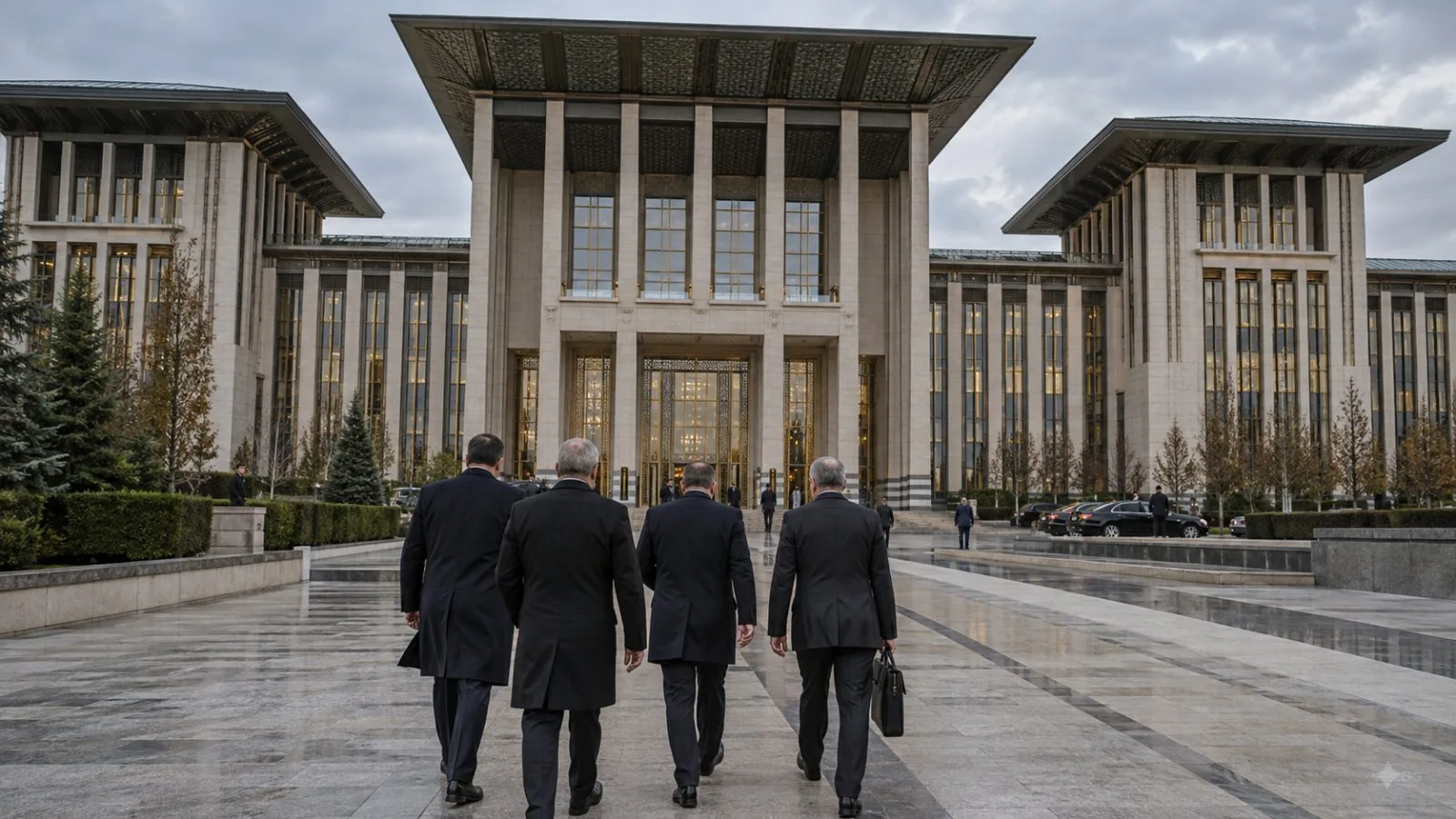
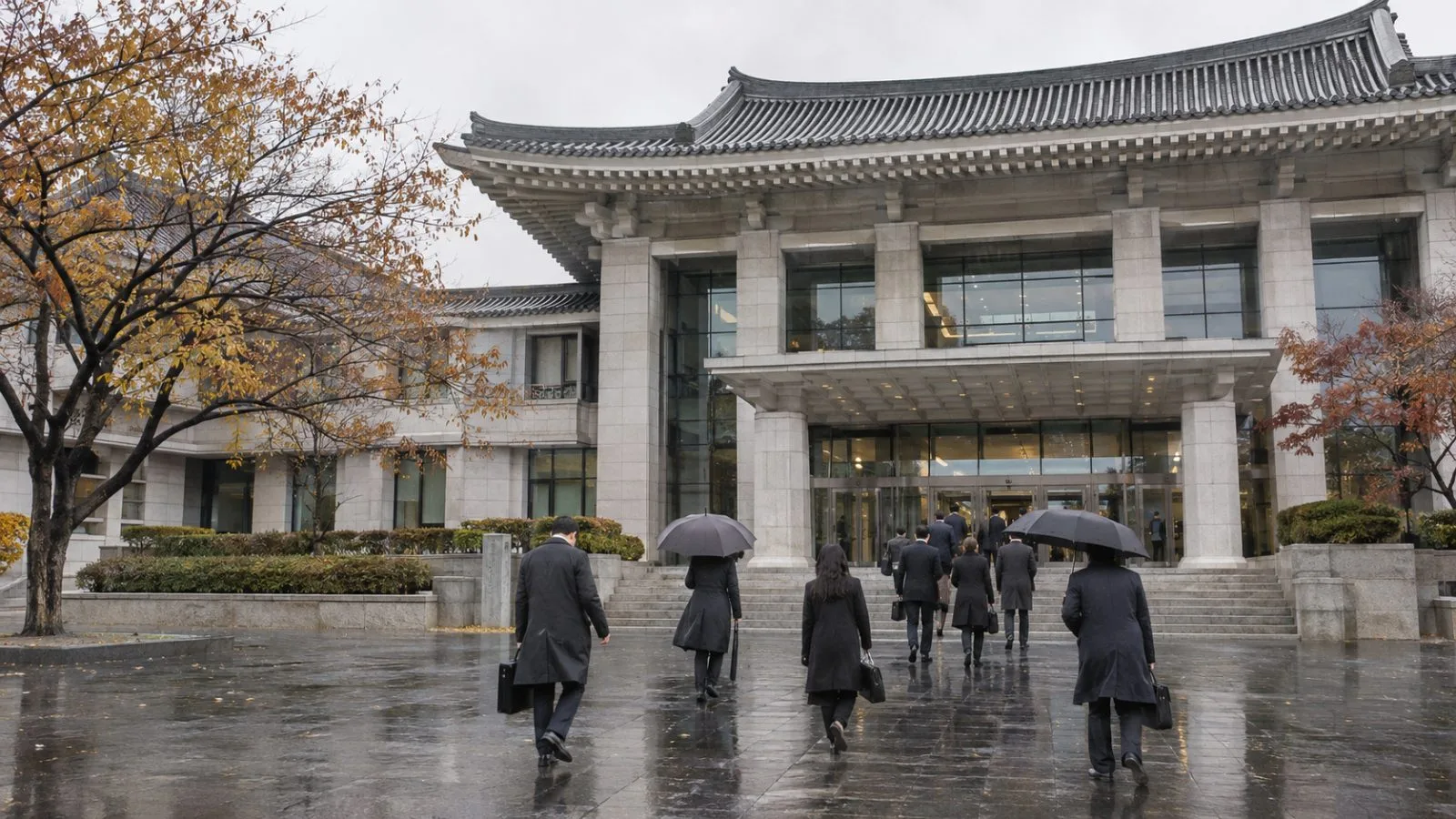
At the Nov. 3 summit in Seoul, South Korean President Lee Jae Myung and Turkish President Recep Tayyip Erdoğan discussed the two countries’ economic and strategic ties. Türkiye Nuclear Energy Inc. (TÜNAŞ) and the Export-Import Bank of Korea (KEXIM) signed the financing memorandum, Türkiye’s Energy and Natural Resources Ministry said.
The ministry said the agreement will allow the sides to assess possible ways to finance nuclear projects developed through TÜNAŞ, including potential financial models and arrangements. It announced no financing amount or commitment. The ministry said the parties plan to form a team to exchange information and discuss possible cooperation.
The planned Sinop nuclear plant is covered by a separate agreement. TÜNAŞ and Korea Electric Power Corporation (KEPCO) signed the 2025 nuclear cooperation MOU, which Türkiye’s energy ministry said covers technical exchanges and joint projects. South Korea’s presidential office reported progress on an assessment of the proposed site and work by a joint group. Officials announced no final partner or decision date for Sinop.
On defense, the presidential office said the leaders backed more joint production and technology work, with companies also looking for business opportunities in markets outside both countries. It cited the Altay tank program as an example of existing cooperation. Erdoğan named FIRTINA howitzers and ALTAY tanks as joint projects and called for more.
The leaders discussed a $15 billion trade target. The Korean government reported record bilateral trade of $10.7 billion in 2025, while Erdoğan’s office put the figure above $11 billion. The two official accounts did not explain the gap. South Korea and Türkiye established diplomatic relations in 1957 and formed a strategic partnership in 2012, according to the Korean presidential office. Their free-trade agreement took effect in 2013, the Korean government said.