Democratic state attorneys general and election officials are coordinating legal and operational preparations for the Nov. 3 U.S. midterms as disputes over voter records and ballot delivery continue in court.
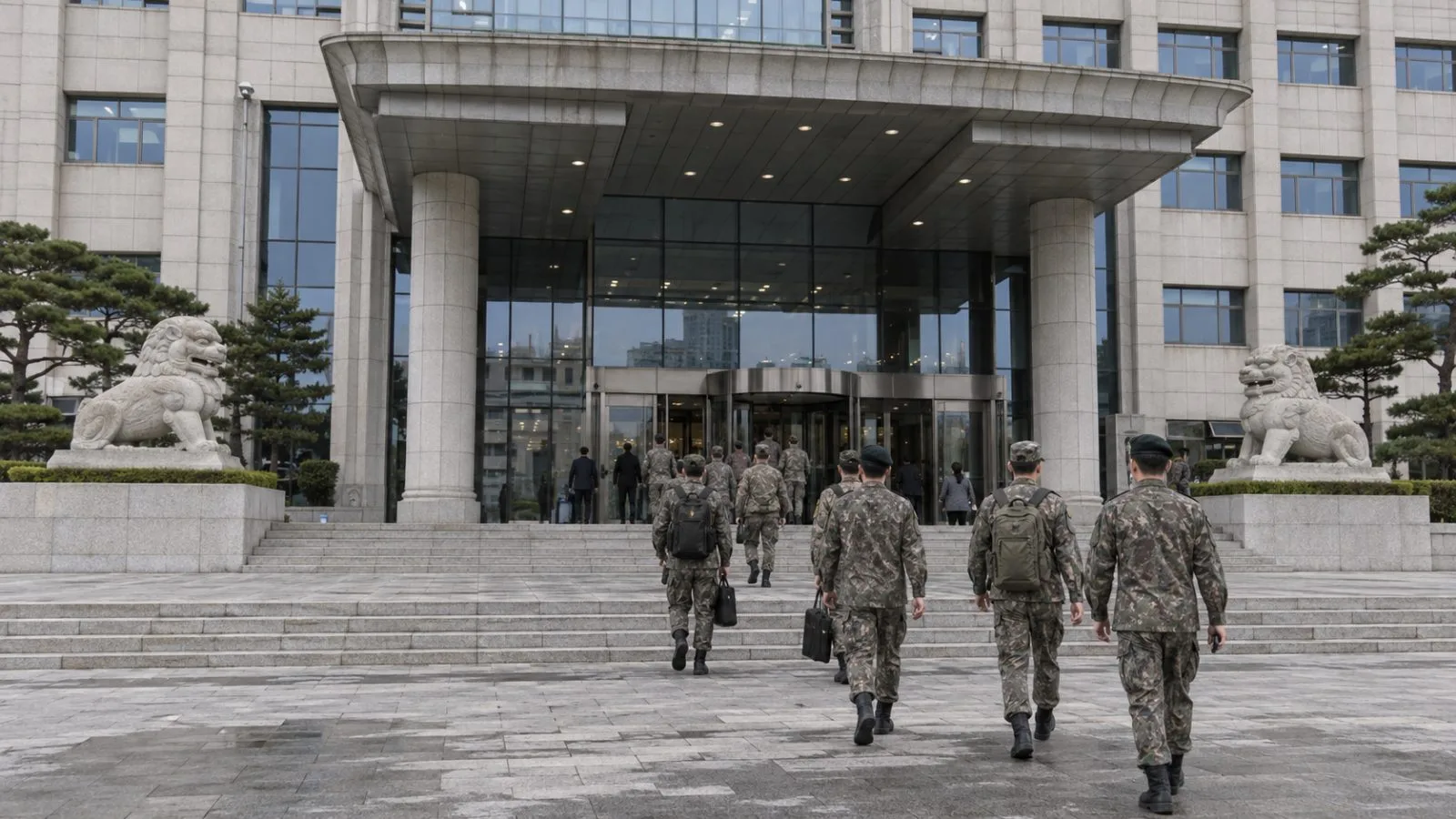
The Leadership Center for Attorney General Studies said officials from 22 state attorney general offices and 12 secretary of state offices joined its May planning exercise. Attendees considered possible disruptions involving voting systems, mail voting and federal personnel at polling places. The center said participants emphasized coordinating court responses with local plans and public guidance. State election offices run voting operations, while attorneys general defend state election laws in court.
The Guardian reported Oct. 21 that the coordination has expanded to weekly calls involving 24 Democratic attorneys general and roughly a dozen Democratic secretaries of state. The center’s account covers the May exercise and does not verify those later figures or the call schedule.
On July 24, the Democratic Attorneys General Association and the Democratic Association of Secretaries of State announced two joint organizations: the AGSOS Election Protection PAC and the AGSOS Election Protection Action Fund.
The U.S. Department of Justice (DOJ) said it had sued 30 states and the District of Columbia by April 1, seeking full voter registration lists. DOJ said federal law authorizes it to inspect election records.
On Sept. 14, the Supreme Court denied the federal government’s emergency request to pause an order blocking a U.S. Postal Service rule on ballot mail. The rule remains blocked for the 2026 election, but the justices’ interim action did not resolve its legality; litigation continues.
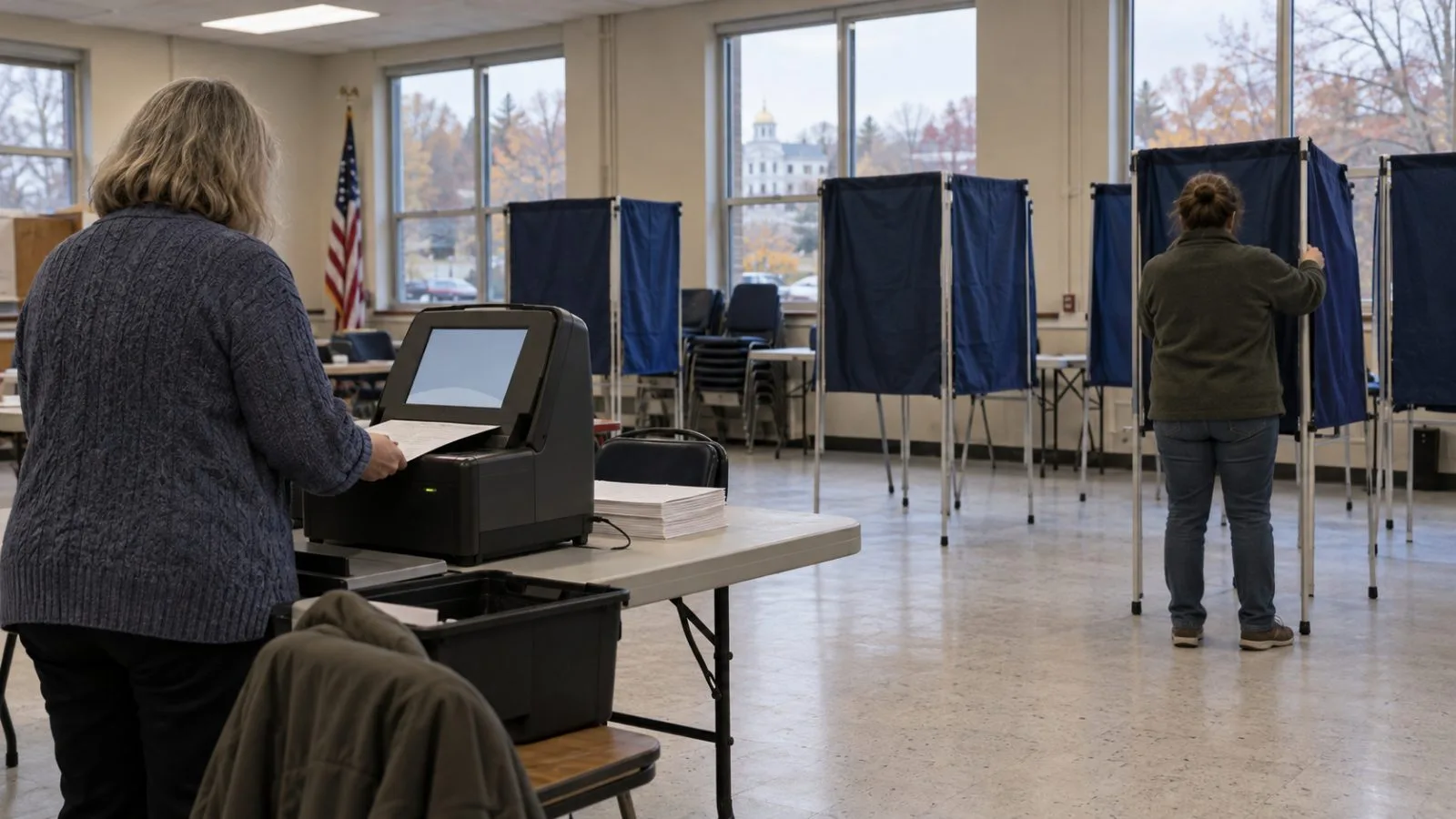
Federal monitoring has prompted a separate records lawsuit. DOJ said Sept. 8 that it monitored polling sites in two New Hampshire cities during the primary and was preparing for midterm monitoring. The department describes monitoring as part of its voting-rights enforcement work. The NAACP filed a Freedom of Information Act lawsuit on Oct. 2 seeking records about those plans and raising concerns about their scope and possible effects on voters.
The next scheduled test is Election Day, Nov. 3, in U.S. local time zones.