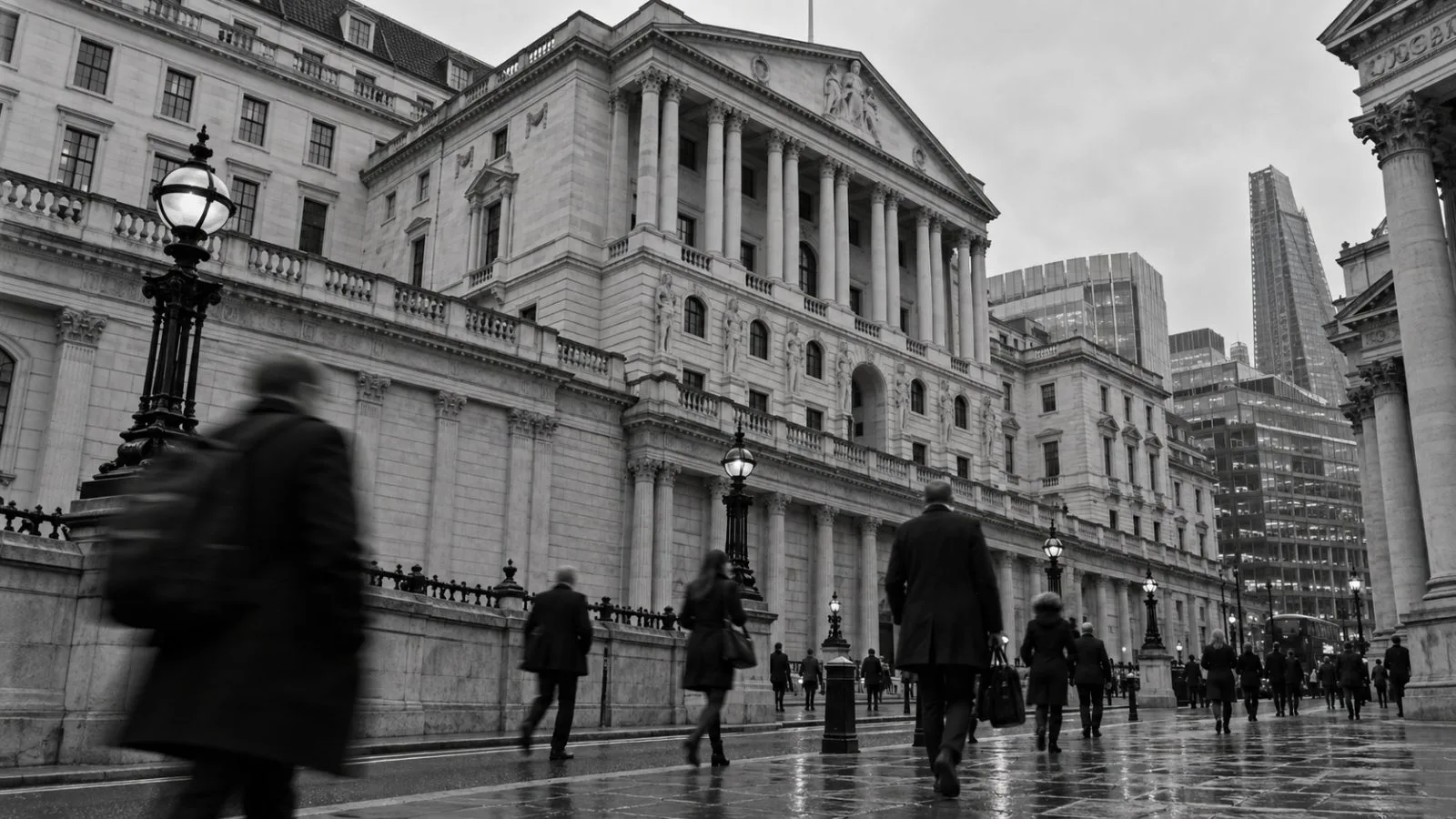
The British pound (GBP) slipped against the U.S. dollar (USD) on Oct. 23 even as a survey showed faster U.K. business activity. S&P Global’s flash composite output index rose to 53.1 points in October from 52.0 in September, its strongest reading since February.
FXStreet reported GBP/USD at about $1.3380, down 0.1%, at 6:24 a.m. ET (10:24 GMT). Reuters reported the pair at $1.3381, down 0.15%, in a report published at 6:18 a.m. ET. The two reports also described a rebound in the dollar.
The pound’s performance varied by comparison currency. Reuters reported that the euro was worth 83.70 pence after reaching 83.62 pence, its lowest level since May 2025, a move it described as sterling reaching a 17-month high against the euro.
The business survey pointed to stronger activity and a return to hiring, but consumer indicators were weaker. The Office for National Statistics (ONS) estimated that Great Britain’s retail volumes fell 0.4% in September from August, after rising 0.7% in August. Third-quarter volumes were still 0.7% higher than in the previous quarter; the ONS said warmer weather affected sales of autumn and winter clothing. GfK’s October consumer confidence index fell 11 points to -24 from -13 in September. GfK said the last comparable monthly drop followed the Brexit vote in July 2016; only the onset of the COVID-19 pandemic had brought a larger fall in recent years.
S&P Global said firms reported faster input-cost inflation and a sharp rise in prices charged, with energy, fuel and freight among the costs adding pressure. Employment growth resumed for the first time since September 2024, led by services, while manufacturers made small payroll reductions. Businesses also cited concerns about possible tax or policy changes in the upcoming Budget and higher borrowing costs.
Annual consumer price inflation rose to 3.5% in September from 3.1% in August, the ONS said. The Bank of England held Bank Rate at 3.75% on Sept. 17, with six members voting to hold and three favoring an increase to 4%. S&P Global Market Intelligence reported that markets had fully priced in a 25-basis-point increase at the November meeting; the Bank’s next decision is scheduled for Nov. 5.