Project InnerSpace estimates more than 300 gigawatts-electric of technical geothermal potential beneath 158 U.S. military installations, a finding that could inform efforts to keep bases powered during grid outages.
The group’s Nov. 10 analysis uses current drilling technology for that estimate. In a separate scenario extending drilling to 7 kilometers, the estimate rises to 1,575 gigawatts-electric. Neither figure describes plants approved for construction or the amount of power the military expects to produce.
The U.S. Department of Energy distinguishes technical potential, which reflects what available technology can access, from the smaller share that would be economically viable to recover. Project InnerSpace’s estimates therefore do not establish how much geothermal capacity will be built.
The analysis also estimates almost 2,000 gigawatts-thermal of industrial process heat potential across 402 installations. It identifies more than 370 gigawatts-thermal of potential for geothermal-driven absorption cooling at 142 installations. Those estimates describe uses of underground heat separate from electricity generation.
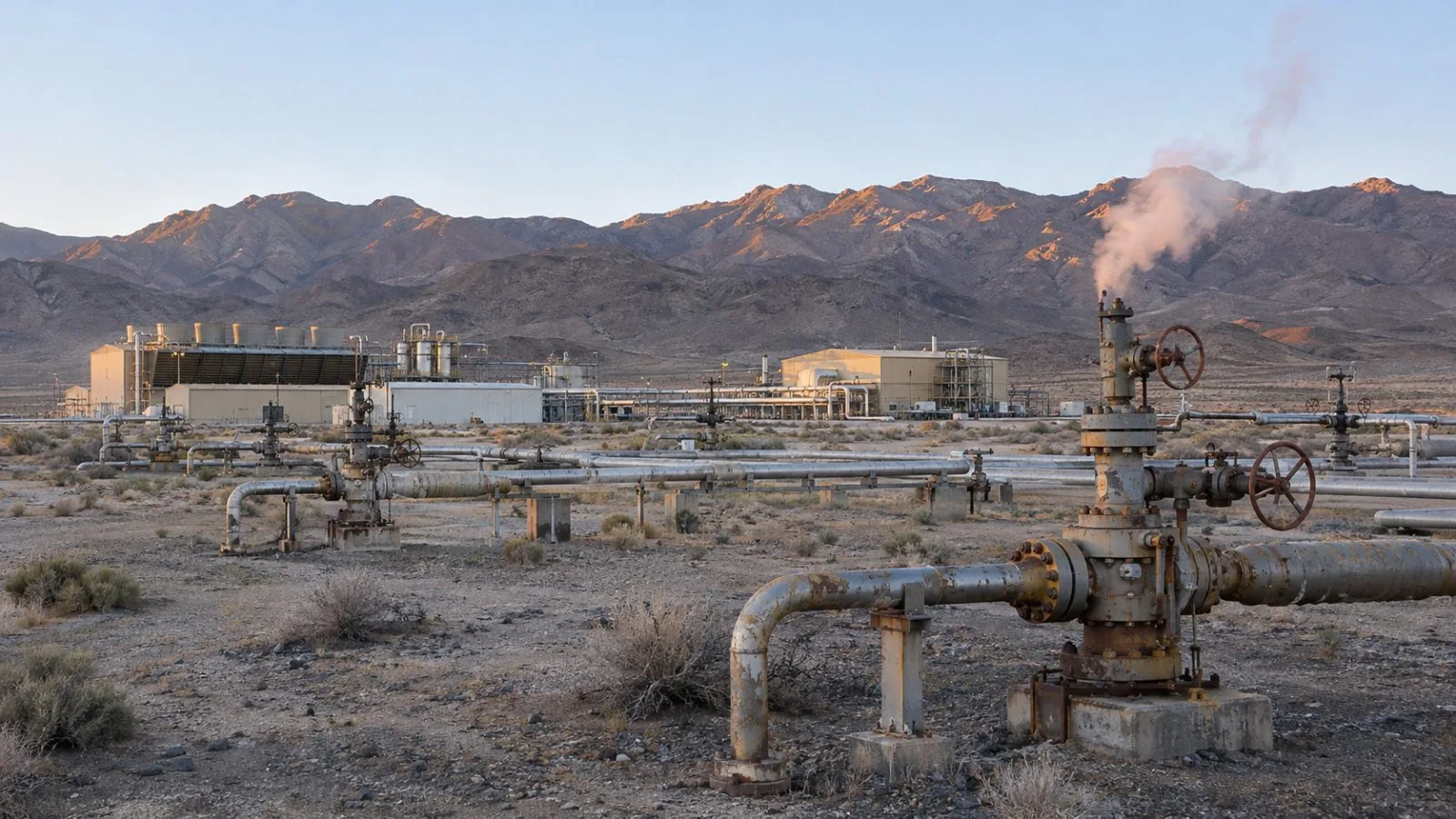
The Coso geothermal plant at the Navy’s Naval Air Weapons Station China Lake provides an existing example of power production on military land. Coso Operating Company operates the plant under contract, and its electricity goes to the public grid. The plant began operating in 1987. The Navy says it has received nearly $600 million from its share of power sales since 1987.
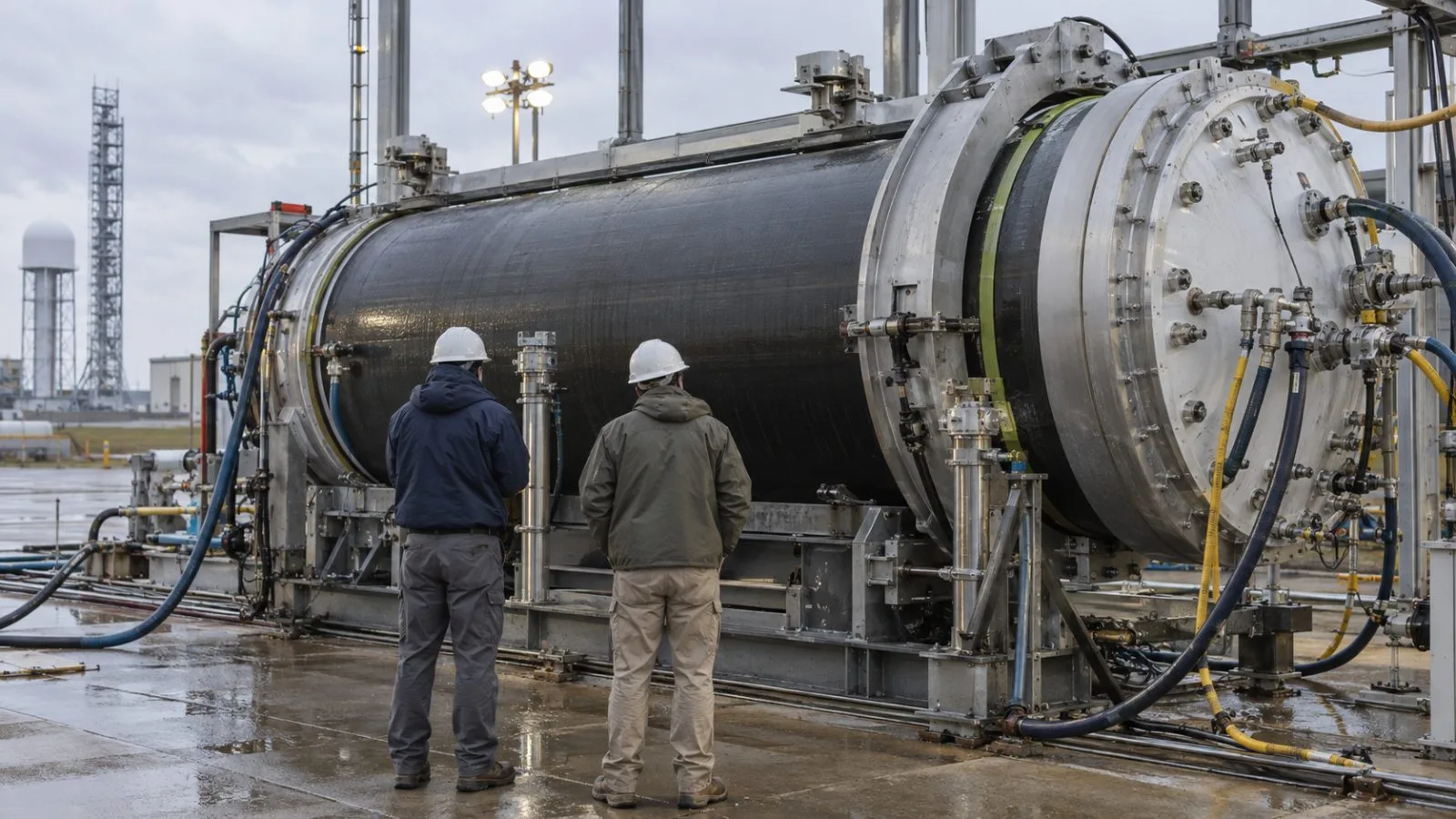
The Defense Innovation Unit’s geothermal initiative is at an earlier stage. In an Aug. 12, 2025, update, the unit said its work involved stakeholders at more than 12 installations in six states. It cited site designs and reservoir modeling, as well as plans for exploration drilling.
Project InnerSpace and the Defense Innovation Unit identify continuity of military operations during grid disruptions as a reason to pursue geothermal power. Project InnerSpace did not provide a cost estimate for developing the capacity identified in its analysis. Project InnerSpace calls for site assessments and test drilling at priority bases, along with a geothermal demonstration where resources appear promising.