The Integrated Food Security Phase Classification (IPC) warns famine risk is rising in Sudan as the World Food Programme (WFP) says funding gaps will cut aid for 800,000 people.
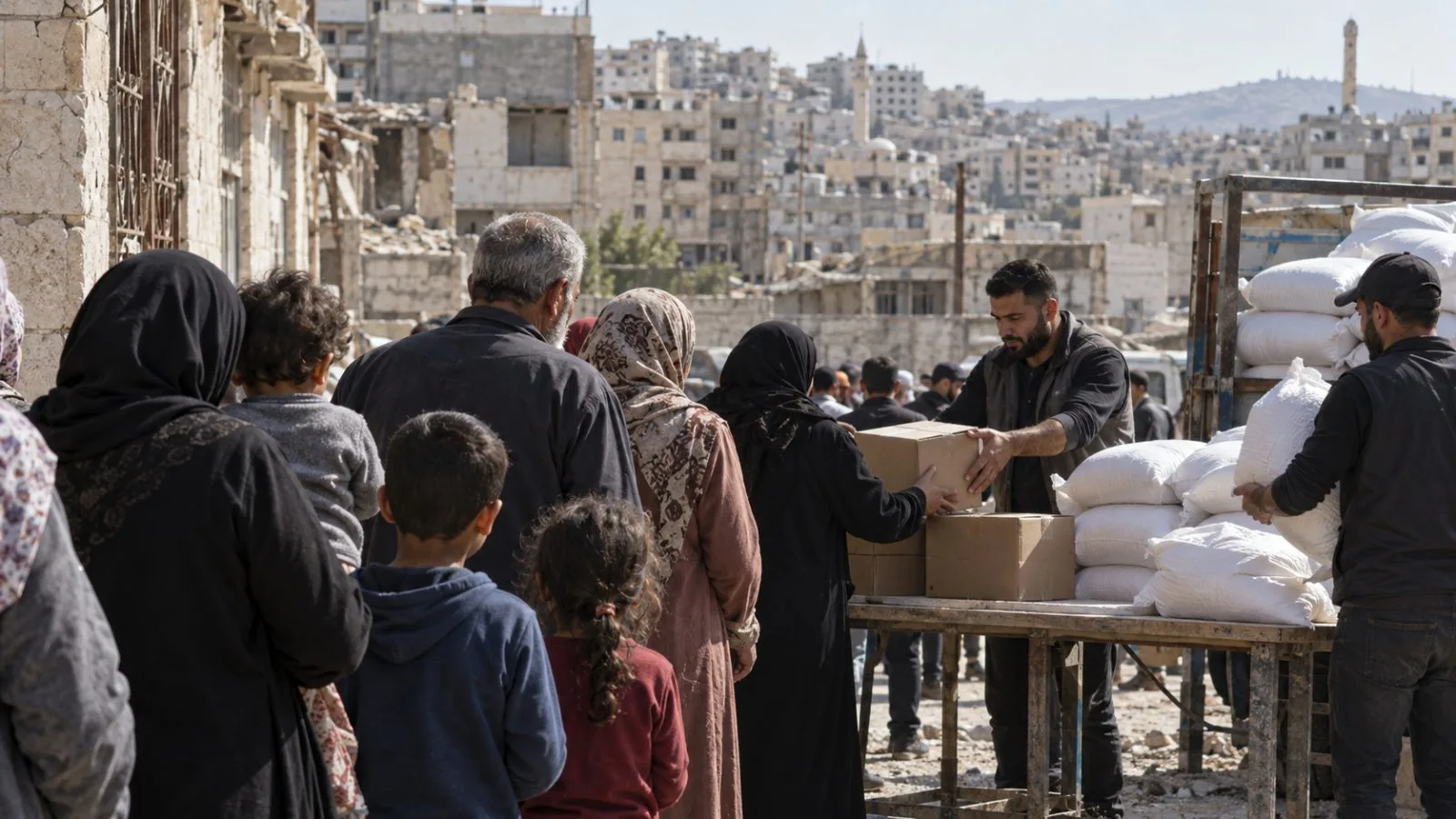
WFP says the cuts will run from October through December 2026, with an estimated 500,000 refugees among those affected. The agency had planned to assist 4.6 million people each month in 2026. Most households still receiving support get rations sufficient for about half their minimum food needs, WFP says.
The IPC’s nationwide analysis for February through May 2026 estimated that nearly 19.5 million people — about 41% of the population analyzed — faced acute food insecurity at Phase 3 or above. More than 5 million people were in Phase 4, Emergency, and nearly 135,000 were in Phase 5, Catastrophe. The analysis listed 14 areas at risk under a reasonable worst-case scenario, but classified no area as experiencing famine during the period it covered.
In an Oct. 12 alert, the IPC said conflict, displacement, severe drought and inadequate humanitarian funding were increasing the danger in Greater Darfur and Greater Kordofan. It said El Niño-related drought had affected roughly half the country, tightening food availability and adding pressure to prices and livelihoods.
A joint statement published by the United Kingdom on Oct. 23 and signed by 31 other partners described conflict as the crisis’s main driver, with aid obstruction and reduced rainfall also worsening conditions. The partners said fighting had uprooted people and disrupted health care, food production, supply routes and markets. They called for safe humanitarian access, more funding and support for the winter cropping season.
Al Jazeera reported that a woman displaced from Khartoum, now near Port Sudan with two children in her care, had received aid three times in the previous six months and started selling zalabia and drinks at a nearby market. The outlet also reported that Esraa Mohammed, a supervisor at a camp in al-Obeid, said 30 of its 100 children had severe acute malnutrition.
WFP says it needs $402 million from October 2026 through March 2027 to sustain emergency food and nutrition assistance for four million people.