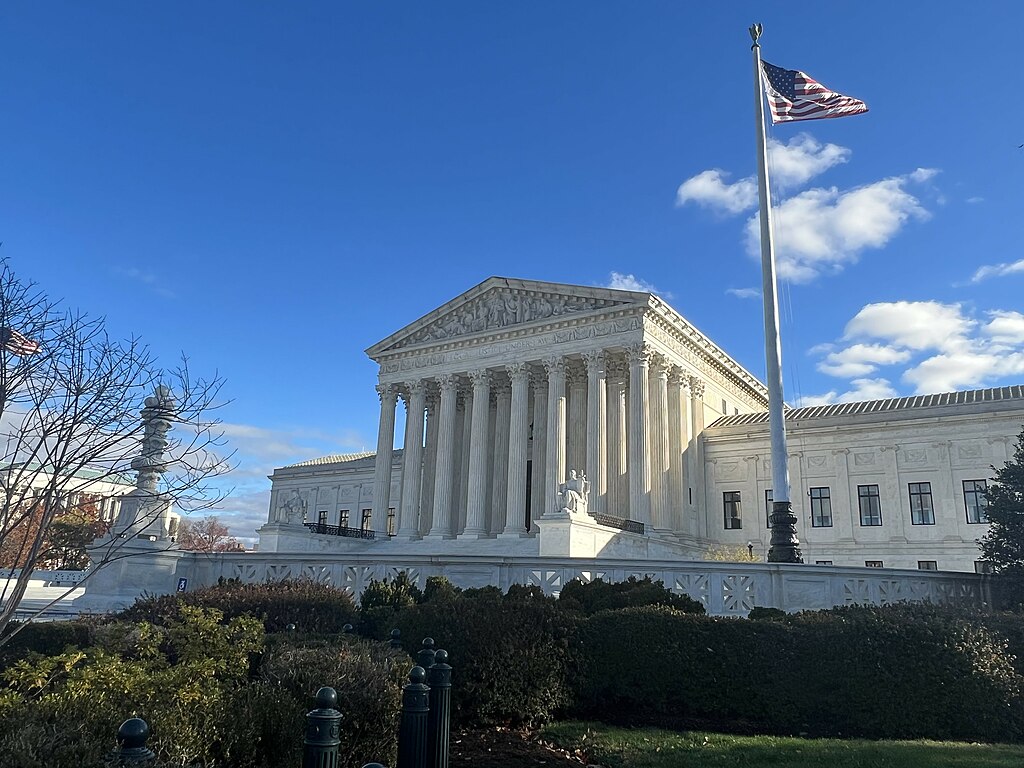
Two major pharmaceutical companies, Danco Laboratories and GenBioPro, have petitioned the U.S. Supreme Court to restore nationwide mail-order access to mifepristone, a widely used abortion pill. The emergency request comes after a federal appeals court temporarily blocked remote distribution of the drug, creating uncertainty for patients and healthcare providers across the United States.
The ruling from the 5th U.S. Circuit Court of Appeals in New Orleans significantly limits access to mifepristone, particularly affecting women in states with strict abortion bans. This decision marks a critical moment in ongoing legal battles over reproductive healthcare, especially following the 2022 Supreme Court decision that overturned Roe v. Wade. Since then, many states have imposed severe abortion restrictions, increasing reliance on medication abortion as an alternative.
Mifepristone, used in combination with misoprostol, accounts for roughly two-thirds of all abortions in the U.S. and is approved for use during the first 10 weeks of pregnancy. In 2023, the U.S. Food and Drug Administration (FDA) removed the requirement for in-person dispensing, allowing telehealth prescriptions and mail delivery after determining the drug is safe and effective.
However, Louisiana and other Republican-led states have challenged the FDA’s regulatory authority, citing potential health risks such as severe bleeding and infection. The appeals court sided with Louisiana, stating the state is likely to succeed in its legal challenge, prompting immediate action from drug manufacturers.
Danco warned that the decision creates confusion for patients and providers, disrupting time-sensitive medical care. GenBioPro emphasized the importance of maintaining access to safe, evidence-based healthcare and raised concerns about political interference in FDA oversight.
The Supreme Court previously declined a similar case in 2024 due to lack of legal standing, but new challenges led by states including Missouri, Kansas, and Idaho are still pending. As legal battles intensify, the outcome of this case could have far-reaching implications for abortion access and pharmaceutical regulation in the U.S.