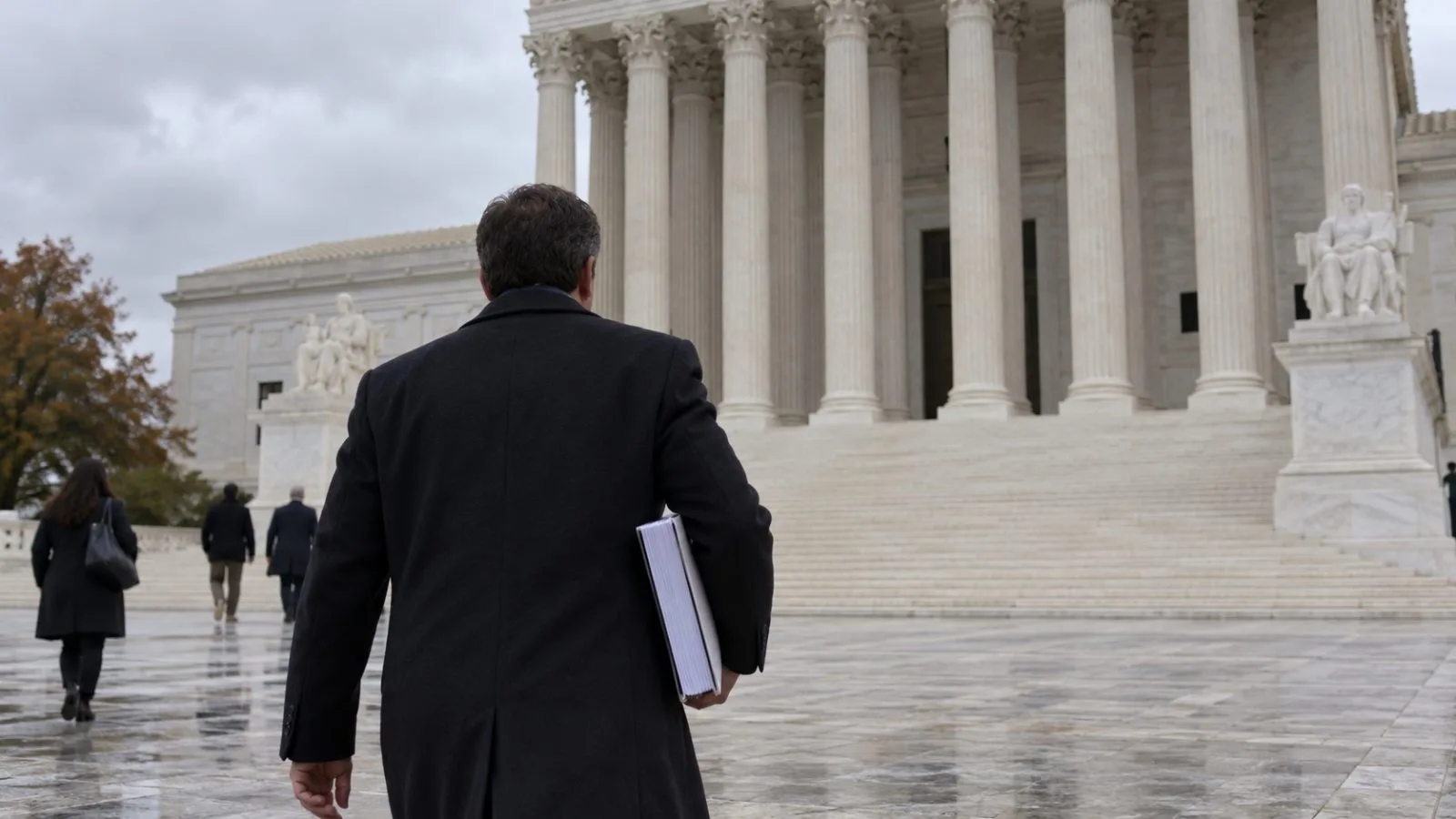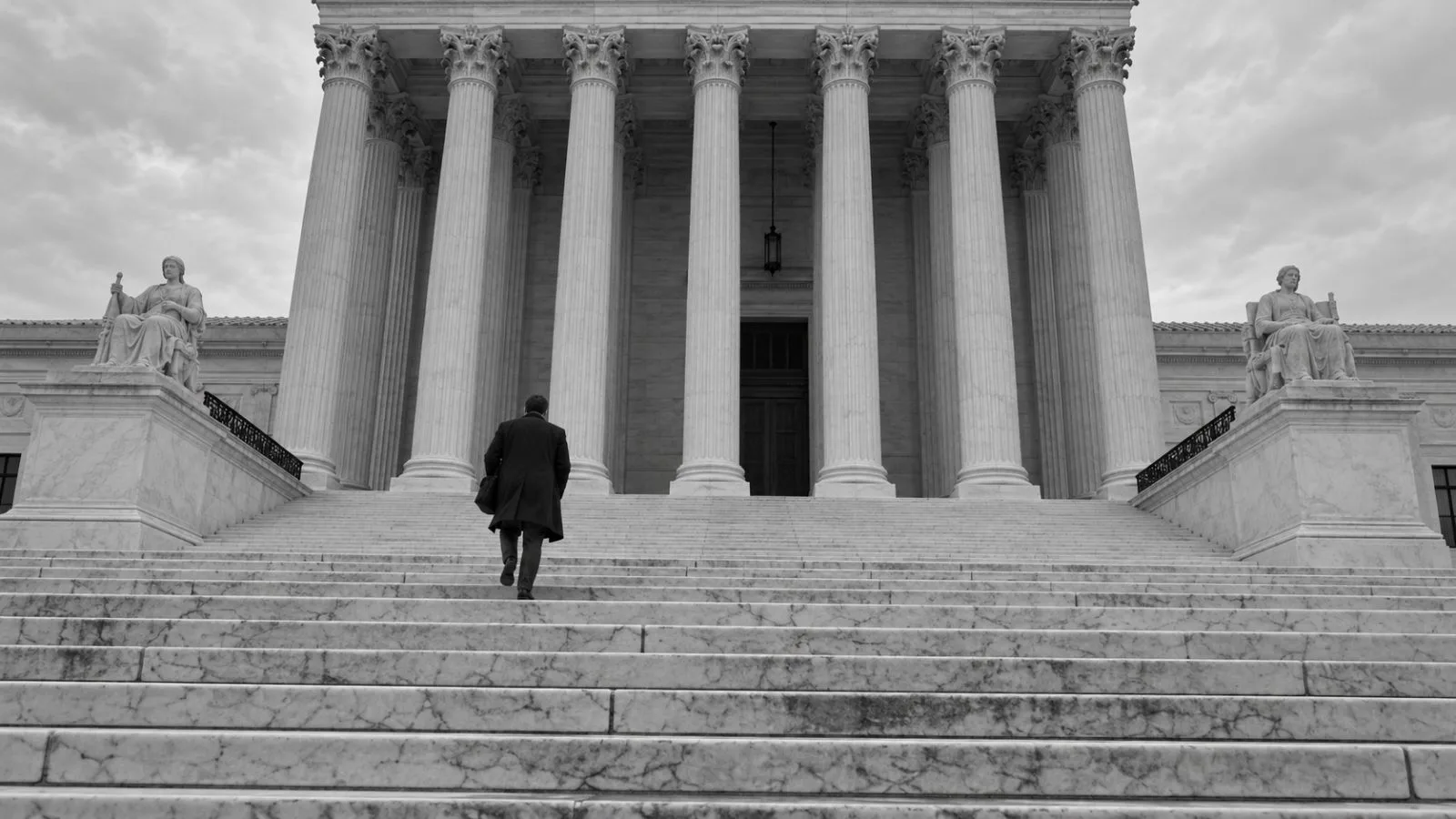
John Charles Eastman is asking the justices to reverse California’s decision to disbar him.
The listing does not mean the court has agreed to hear the case. Its docket shows no decision to grant review.
Eastman’s petition asks whether California violated the First Amendment by disbarring him for legal advice, public commentary and constitutional advocacy. It also challenges California’s characterization of his advocacy as a conspiracy to defraud the United States under 18 U.S.C. § 371 in the state bar proceedings. On statements in federal court filings, Eastman argues that only the federal tribunal may initiate discipline over allegedly false statements. The Supreme Court has not ruled on these claims.
The proceeding arose from Eastman’s work for President Donald Trump and his campaign during and after the 2020 election. After a 34-day trial, the State Bar Court’s Hearing Department found him culpable on 10 of 11 charges and recommended disbarment. The Review Department also found him culpable on 10 charges and backed disbarment, while dismissing with prejudice the count alleging that his Jan. 6, 2021, rally remarks contributed to the Capitol assault. Its opinion described findings involving alleged false statements in court filings and comments to then-Vice President Mike Pence, Pence’s counsel and the public.
On April 15, 2026, the California Supreme Court denied Eastman’s request for review and ordered his disbarment. The order imposed $5,000 in monetary sanctions, plus costs, but included no published explanation.
The Review Department cited Segretti v. State Bar, a 1976 case involving election-related deceit, as guidance. The petition places limits on lawyer speech and the authority of state bar regulators at the center of the dispute.
Eastman filed his petition Sept. 11, 2026; the Supreme Court docketed it as Eastman v. State Bar of California, No. 26-336, on Sept. 14. The docket lists a Nov. 6 conference and sets Dec. 16 as the deadline for the State Bar’s response.