Among 500 U.S. consumers surveyed by Andreessen Horowitz, 39% expressed interest in noninvasive brain sensing for sleep, focus or mood, an early signal for a potential consumer technology category.
The firm published the findings in its The State of Longevity report on Nov. 3. Participants were selected at random, the report says. Another survey question found 29% would use devices controlled by thought. These results measure willingness; the report gives no estimate of current device use.
Andreessen Horowitz expects brain-computer interfaces and wearable brain devices to develop into a consumer category during the report’s authors’ lifetimes. It describes the survey as an initial indication of consumer openness to neural technology.
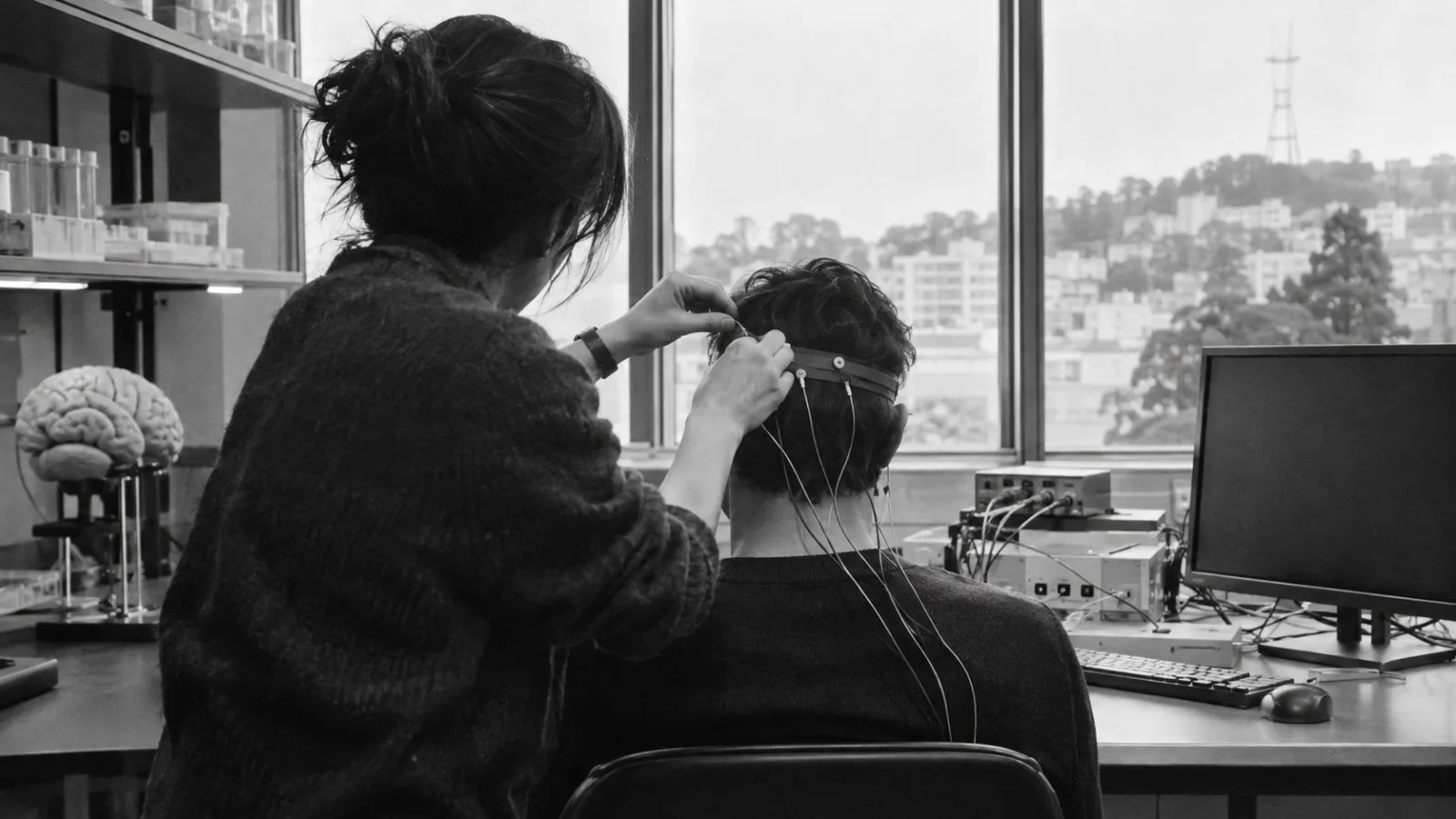
The report says companies are developing noninvasive formats such as electrode patches, headbands and hats. It names Conduit, Alljoined and Aleph Neuro as firms assembling datasets for artificial intelligence (AI) systems to interpret faint brain signals as text or images associated with what someone might be thinking or viewing. The report presents this work as one route toward neural decoding.
Some devices instead seek to influence neural activity, directing stimulation to the brain or peripheral nerves; the report links those products to sleep and focus applications.
The report also places consumer-focused work alongside implant research. It says people with paralysis in Neuralink clinical trials use implants to control computers through signals associated with intended movement. Neuralink is separately working on an implant designed to help people who are blind perceive some visual input through activity in the visual cortex, according to the report.
At the University of California, San Francisco (UCSF), a team led by Dr. Edward Chang decoded full words from the brain activity of a paralyzed person unable to speak in 2021, the report says. The team later demonstrated combined decoding of speech and gestures using an implant.