A University of Bath evaluation of a cash pilot in Peru found improved household survey results and reported participation in environmental activities, but did not measure the program’s effect on rainforest cover.
The researchers compared responses collected in November and December 2023 with a follow-up survey in August 2025. The study had no control group, so it cannot establish whether the payments caused the changes households reported.
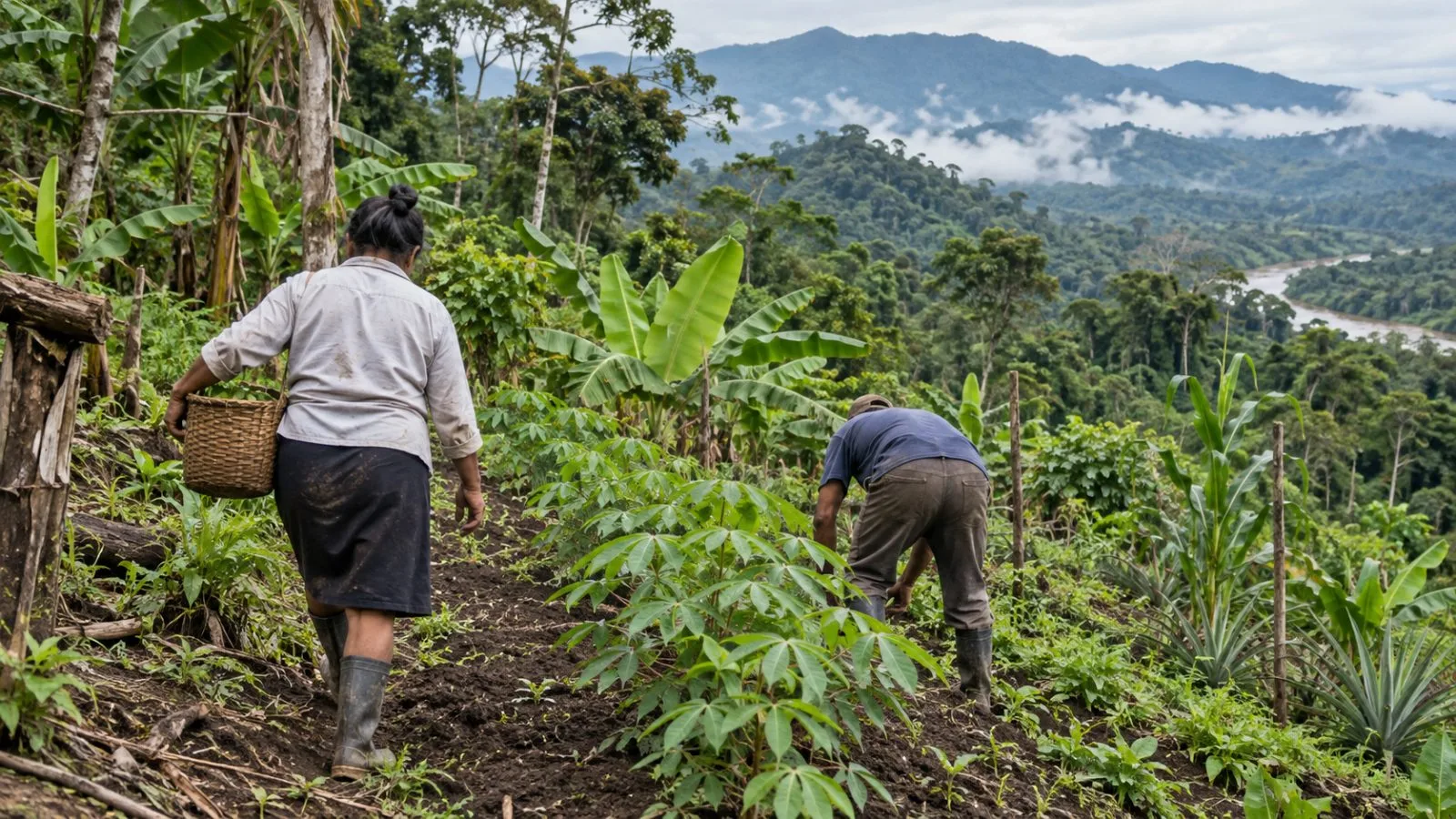
Cool Earth developed the pilot with Indigenous women’s organizations in three communities. Starting in November 2023, each of 211 enrolled adults was offered six payments of 1,032 Peruvian soles, spaced four months apart. Participants could decide how to use the money. Cool Earth also offered voluntary training in financial management, rights, governance and conservation.
The follow-up survey covered 82 participants. The share of households reporting that they could not afford nutritious food fell from 73% at baseline to 26%. The share reporting labor migration declined from 43% to 18%, while the share reporting savings rose from 49% to 70%.
Nearly 60% of follow-up respondents said they frequently joined collective environmental protection activities; another 27% said they did so sometimes. Separately, 19 of 24 interviewees reported changes in environmental practices, at an individual or community level, that they attributed to the pilot. These accounts describe participation and behavior, rather than measured changes to the rainforest.
The evaluation said economic insecurity had prompted some residents to seek temporary work beyond their communities, reducing the time they could devote to farming and shared projects. It also found that 30% of surveyed households expanded cultivated land, largely by returning to abandoned plots. Whether that expansion affected forest cover is unverified.
Cool Earth plans a further design phase with other communities in the central Peruvian Amazon later in 2026. The researchers said longer-term study is needed to assess environmental effects.