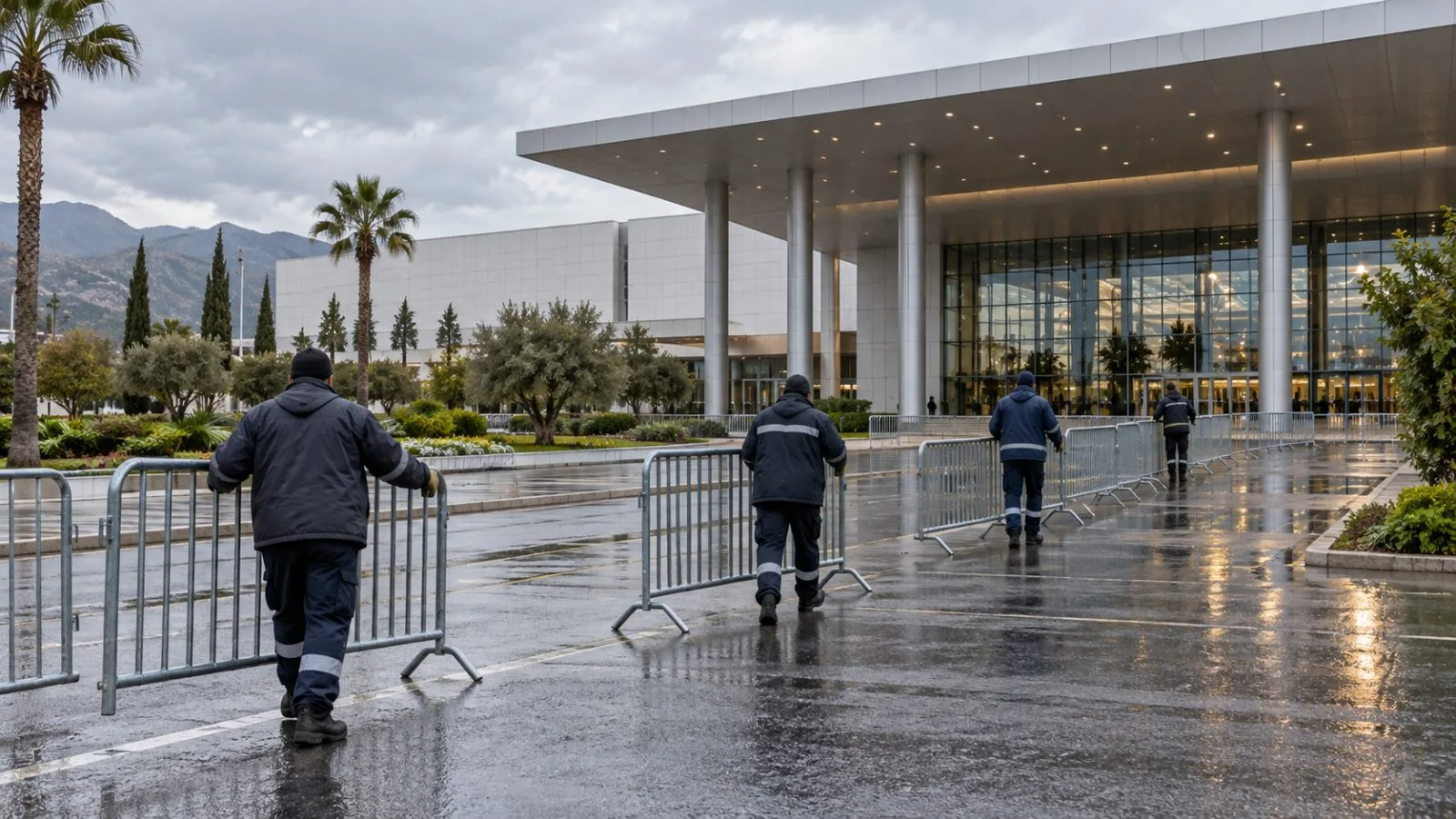
Coal supplied about one-third of Türkiye’s electricity in 2025 as the country opened COP31 in Antalya on Monday, promoting a worldwide shift toward greater use of electricity.
The Turkish COP31 presidency wants electricity to account for 35% of final energy consumed worldwide by 2035, up from just over 20% when it announced the goal. Its plan calls for more electricity use in buildings, transport and industry, supported by investment in grids and storage. The initiative is part of the presidency’s agenda; a negotiated COP decision would require agreement among participating countries.
Coal was Türkiye’s largest electricity source in 2025, according to the Ministry of Energy and Natural Resources. Its figures put solar’s share at 11.9% and wind’s at 10.8%. Ember estimates that imported fuel supplied roughly two-thirds of the country’s coal-fired electricity that year. The energy research group ranked Türkiye as Europe’s largest coal-fired electricity generator in 2024.
Energy and Natural Resources Minister Alparslan Bayraktar set a domestic goal of 36% electrification by 2040 in a Nov. 5 presentation. His ministry said Türkiye’s wider energy plans would require $500 billion in public and private investment through 2040.
Its published summary set no date for phasing out coal.
Türkiye’s submitted climate target limits net greenhouse gas emissions to 643 million metric tons of carbon dioxide equivalent in 2035, compared with 458.8 million metric tons in its 2018 reference year. Climate Action Tracker says the target allows emissions to rise and argues that a coal phaseout plan is needed to support the country’s 2053 net-zero goal.
The World Meteorological Organization (WMO) estimates that global average surface temperature from January through September 2026 was 1.47 degrees Celsius above the 1850-1900 average, with a 0.13-degree margin. It expects El Niño to heighten the risk of extreme heat, drought and heavy rainfall into 2027. COP31 is scheduled to close Nov. 20.