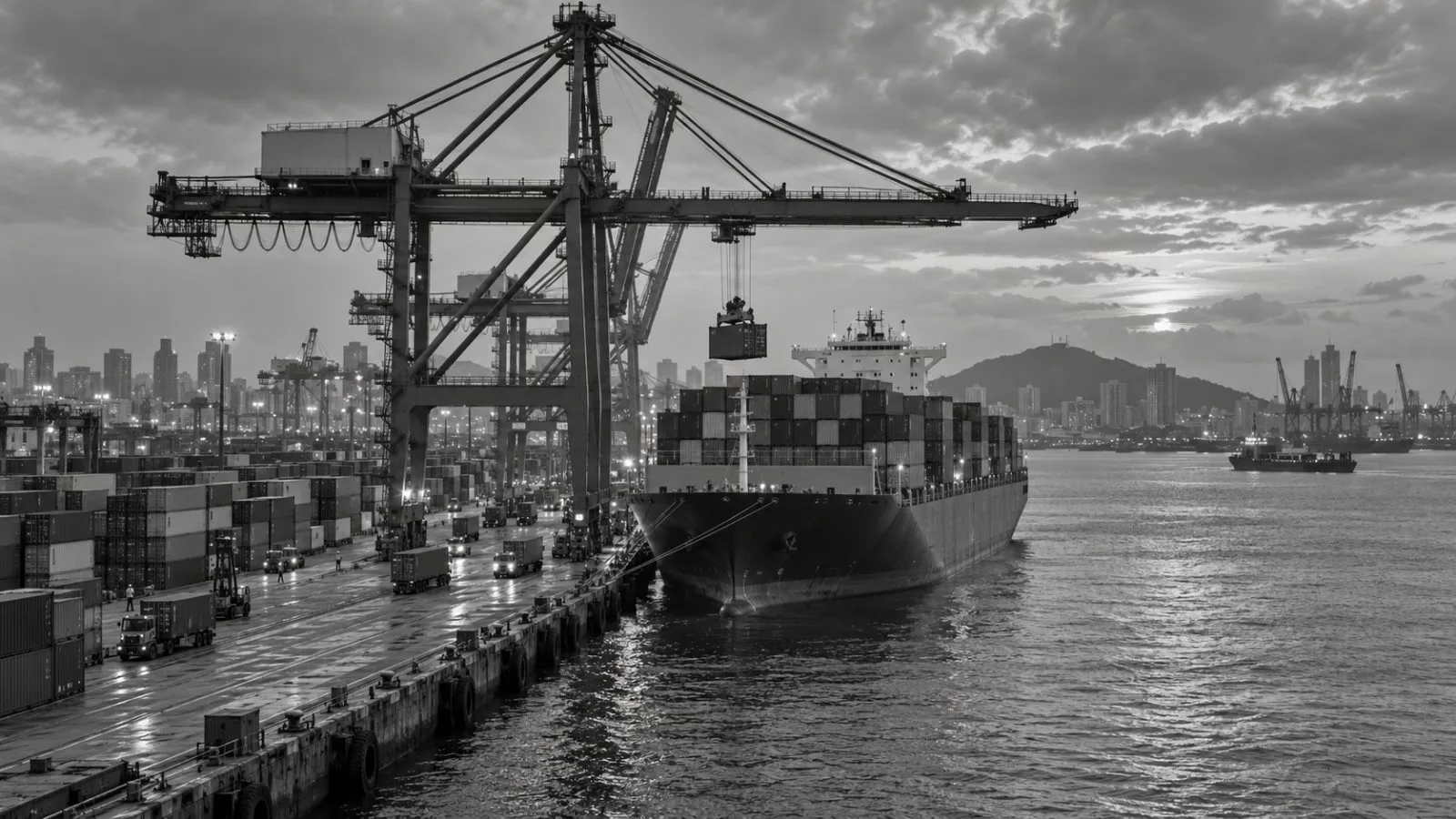
Taiwan’s export orders increased 62.4% year over year in September, the Ministry of Economic Affairs said, even as the central bank reported that foreign investor selling and remittances weighed on the currency in October.
Orders reached $114.2 billion, up 10.9% from August and 1.1% after seasonal adjustment. Third-quarter orders totaled $315.1 billion, a 65% increase from a year earlier. For the first nine months, they reached $819.2 billion, up 56%.
The ministry cautioned that rising overseas production means some goods covered by orders may not be exported from Taiwan.
The Central Bank of the Republic of China (Taiwan) projected economic growth of 11.48% in 2026 and 5.82% in 2027 in its September forecast. It linked stronger exports and private investment to demand for artificial intelligence and other emerging technology applications. FXStreet reported that a Commerzbank analysis by Lay and Hao identified technology demand tied to AI and electronics as one possible support for Taiwan’s export-led growth in the fourth quarter.
From Oct. 12 to Oct. 16, the U.S. dollar rose from NT$31.895 to NT$32.338, the central bank said, marking a 1.37% depreciation of the New Taiwan dollar. Over the same period, foreign investors sold a net $19.402 billion in Taiwan shares and remitted a net $17.961 billion abroad. The bank cited market volatility, share sales and remittances as factors behind the currency’s decline.
The bank said it generally lets market forces guide the exchange rate. It will step in if unusual capital flows or seasonal conditions produce excessive swings or disorderly trading that threatens economic and financial stability.
The Ministry of Economic Affairs’ next monthly export-orders release is scheduled for Nov. 20.