Texas's governor-elect pledged to halt approvals for data centres until a legislative session addresses residents' interests, putting the projects' future in question, Bloomberg Television reported on Nov. 4.
The commitment puts a state-level obstacle before companies expanding computing capacity for artificial intelligence. President Donald Trump's power to veto federal legislation does not resolve the question of how the Texas pledge would affect those projects.
The governor-elect called for a legislative session that “puts Texans first,” Bloomberg Brief reported. The remarks left open when the halt would begin, how long it would last and what conditions would allow approvals to resume.
Data centres became an election issue, with opposition among some residents in several states. The Texas commitment concerned approvals for the facilities, leaving unanswered how the incoming administration would treat projects that already have permission to proceed.
The pledge followed an election in which Democrats won control of both chambers of Congress. They flipped at least seven Senate seats, Bloomberg reported. Vote counting continued in some races, leaving parts of the final congressional picture unsettled.
Trump gave differing signals about his relationship with the incoming Congress. He said he could work with Democrats to get things done for Americans, while posting an image of a red campaign cap bearing the word “veto” on Truth Social.
Those positions left open how much legislation the two sides could agree on. Democrats also faced decisions about investigations into Trump and people around him. Their early messages focused on affordability and the interests of wealthy and middle-class Americans.
US stock futures recovered from an initial decline after the election and moved higher. But shares in some businesses linked to artificial intelligence remained lower before regular trading, including cloud computing providers Oracle and CoreWeave and companies supplying data centres.
Tesla and SpaceX shares also remained lower in premarket trading. Bloomberg reported that Elon Musk wanted to merge the companies before Trump's term ends. Congress would not directly approve such a transaction, but investors were concerned that congressional scrutiny could complicate it.
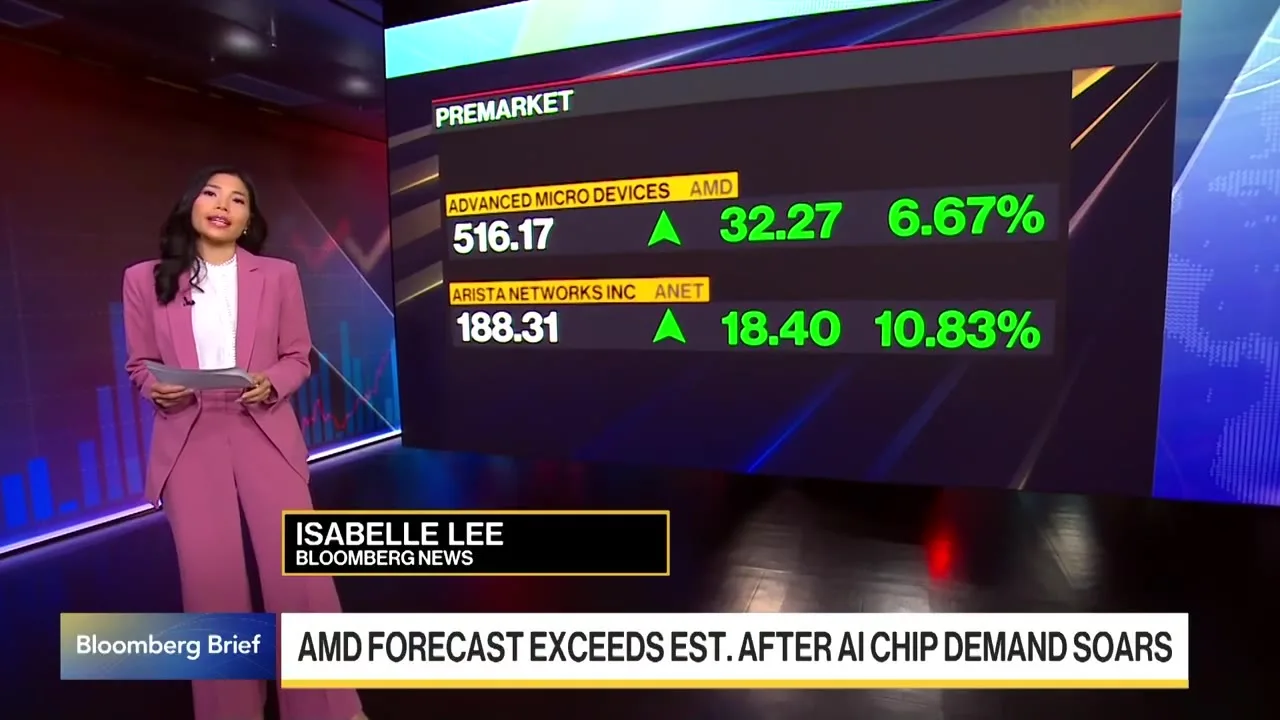
Corporate results offered a separate picture of demand for computing equipment. AMD forecast sales above estimates and said data centre chip sales nearly doubled. Arista Networks reported revenue above estimates and its fastest growth since its initial public offering in 2014.
Those results did not settle the policy questions raised by the election. The Texas pledge left companies without details on the proposed approval halt, while Trump's contrasting messages left the scope for cooperation with a Democratic Congress unresolved.