Thailand’s reliance on natural gas for electricity has left its power sector exposed to higher Asian LNG prices, adding pressure to generation costs and raising concerns about household and business finances.
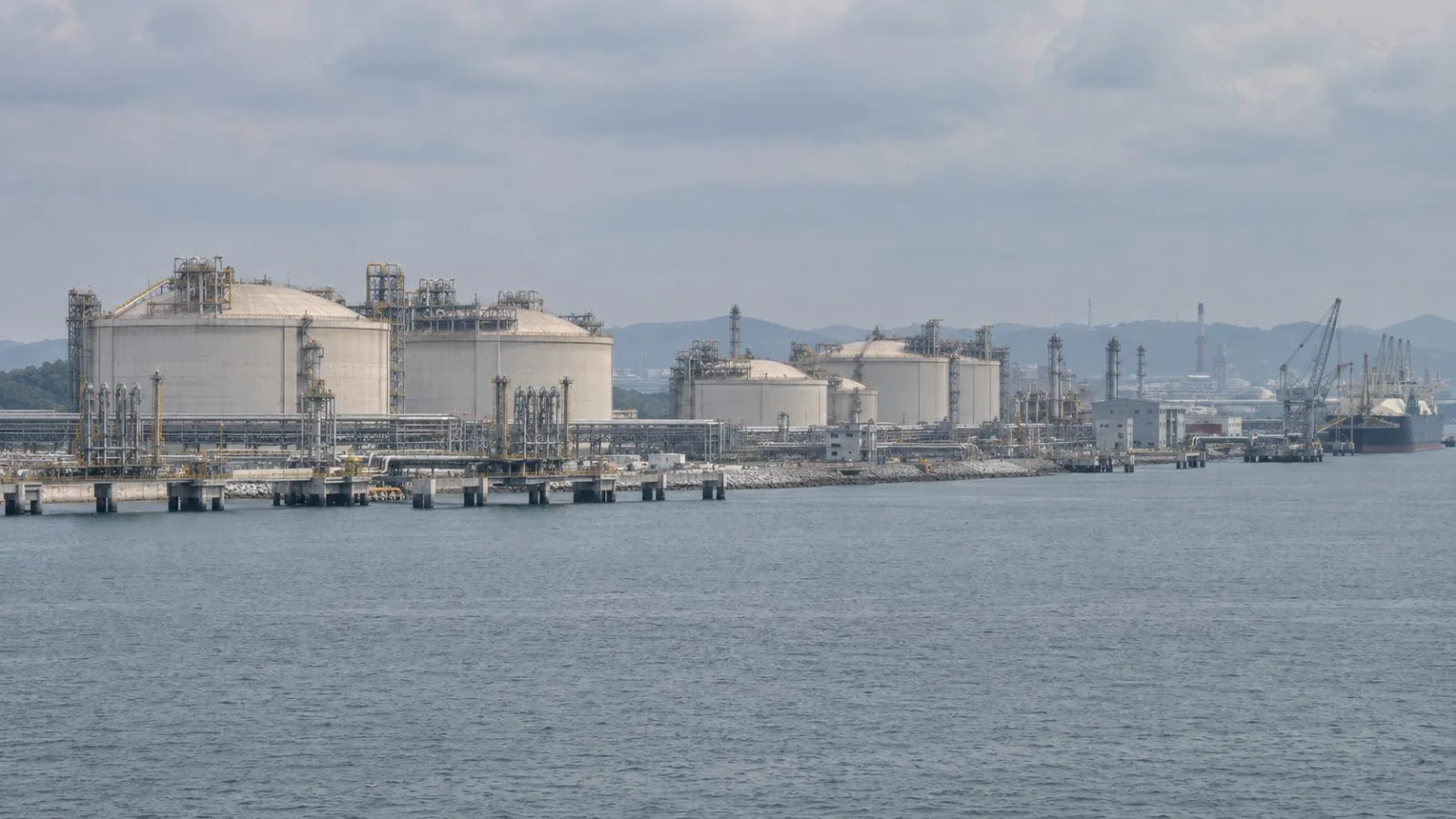
An Oct. 20 Energy Ministry market update, cited by the Bangkok Post, put the Platts Japan-Korea Marker at $29.89 per million British thermal units. The marker is a benchmark for spot liquefied natural gas prices in Asia.
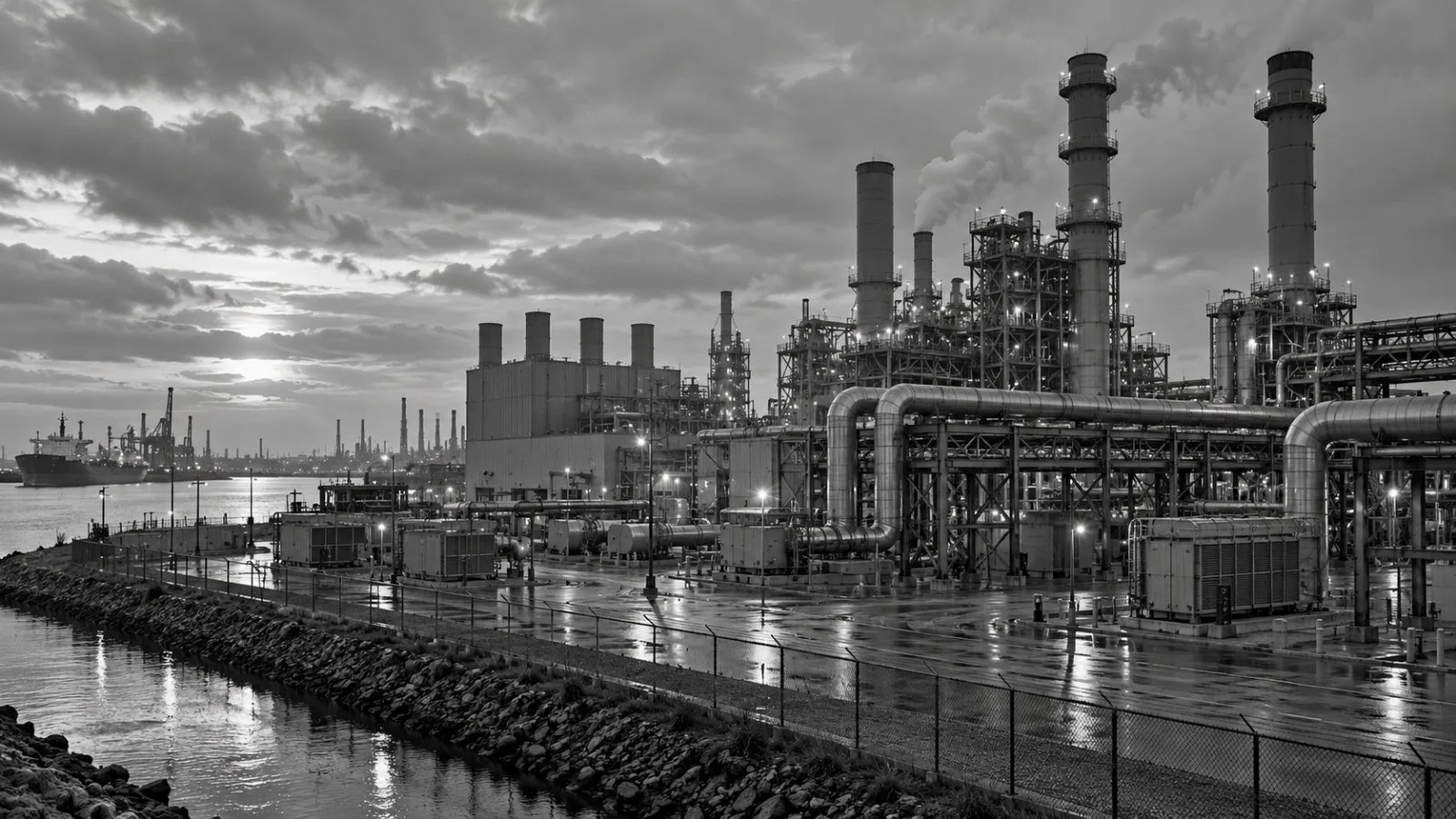
Natural gas remains Thailand’s primary fuel for power generation.
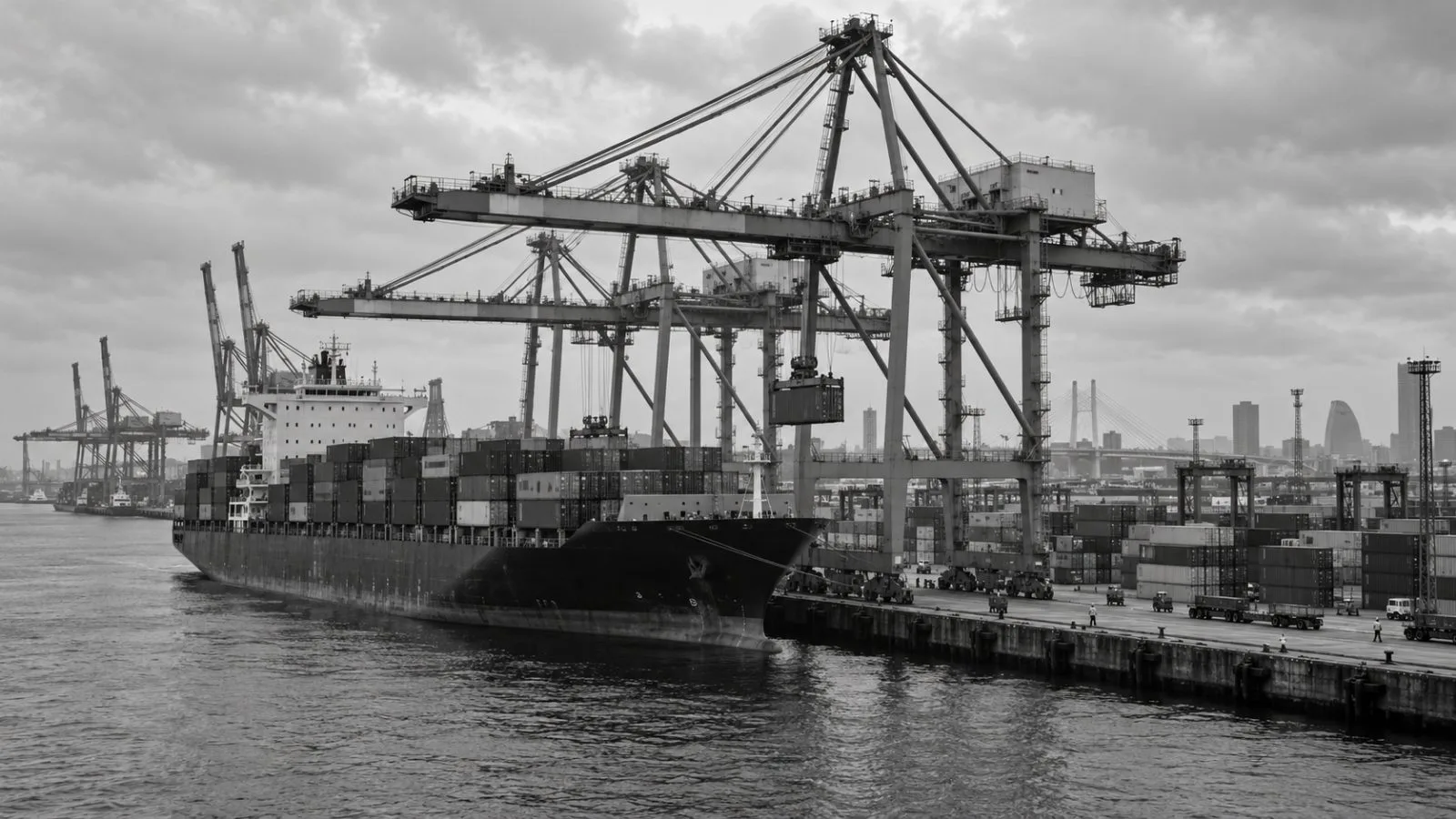
The Bangkok Post attributed the LNG price increase to interrupted shipping routes in the Middle East and stronger demand in Northeast Asia ahead of winter. It also reported that Dubai crude oil remained at $107.90 a barrel, adding to the fuel-cost concerns facing Thailand.
Authorities have prioritized long-term gas contracts over spot purchases and kept measures to stabilize domestic oil prices, the newspaper reported. Long-term contracts are less exposed to immediate spot-price swings, though the report did not quantify the effect of either policy on electricity-generation costs.
An unnamed senior energy official told the Bangkok Post that persistently expensive imported fuel was squeezing household budgets. The official warned that the pressure could also feed inflation, widen fiscal and trade gaps, and add to public debt. Those were the official’s assessments; the report provided no estimates for the potential effects.
The official said the Energy Regulatory Commission (ERC) planned to accelerate regulatory changes intended to encourage investment in clean energy. The official also called for faster deployment of renewable power and battery storage, arguing that greater reliance on those sources would reduce exposure to volatile fossil fuel markets.
The official said further measures intended to steady the energy market were expected to be announced in November.