Thailand says more than 6,800 people from its temporary shelters for those displaced from Myanmar have entered the labor market, filling jobs amid labor shortages as refugee groups seek stronger safeguards.
The Thai delegation gave the figure in remarks to the executive committee of the U.N. refugee agency on Oct. 12, 2026. It said people from the shelters were working in agriculture, manufacturing and hospitality. The U.N. site labels its transcript of the remarks automatically generated and unofficial.
Thailand’s Cabinet approved the work policy on Aug. 26, 2025, and the rules took effect Oct. 1, 2025. The Department of Employment said the program covers residents of nine temporary shelters in Mae Hong Son, Tak, Kanchanaburi and Ratchaburi provinces. Employers select workers, who need permission to leave a controlled area and must obtain a work permit. Individual work permission can last up to one year.
The department cited labor shortages in business and industry as a reason for the change. Human Rights Watch said shelter residents had faced restrictions on legal employment and movement for decades. In August 2025, it estimated that about 108,000 people lived in the nine shelters. About 80,000 were registered with the Thai government, including an estimated 42,000 of working age.
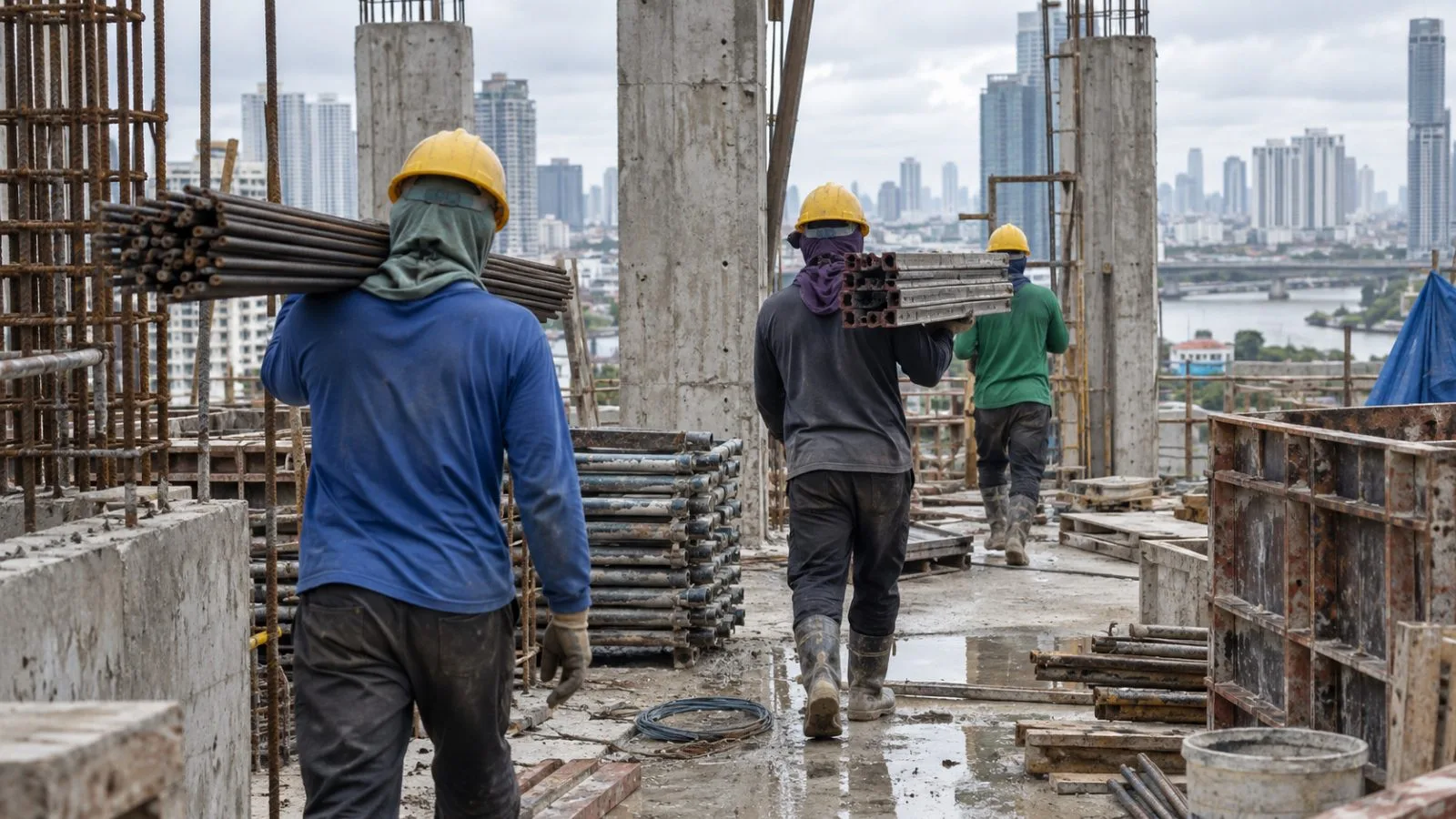
The United Nations in Thailand said cuts to humanitarian funding in early 2025 and demand for workers preceded the policy shift. For some residents, legal employment has provided a source of income. Ray Boe, 31, told Deutsche Welle he earned 400 baht a day at a Bangkok construction site and valued “not having to wait for other people to support us.”
Other workers described different experiences to the outlet. Akwah, who uses one name, told Deutsche Welle he expected to harvest sugarcane for 250 baht a day but was assigned to cut eucalyptus for 200 baht. DW reported that the group left after three months.
In a June 20 statement, the Karen Peace Support Network and Karen Women’s Organization pointed to reports of exploitation, discrimination and labor-rights violations. They said complaint and referral systems were insufficient and urged better ways for workers to seek help. The groups also called for continued aid for vulnerable people unable to support themselves and opportunities for mothers with young children to earn income within the shelters.