Reuters reported Nov. 18 that Thailand plans to ask Washington to lower a U.S. tariff tied to forced-labor imports to 10%, a bid separate from its still unfinished trade agreement with the United States.
Deputy Prime Minister and Commerce Minister Suphajee Suthumpun is seeking a reduction from 12.5%, Reuters said. The duty comes from a Section 301 action over countries' failure to prohibit imports made with forced labor. The Office of the U.S. Trade Representative (USTR) placed Cambodia, Indonesia and Malaysia in the 10% tier under its July 2026 action, alongside certain economies with a full ban, a commitment to impose one or a partial regime. Other investigated economies were assigned 12.5%, subject to product exemptions.
On Nov. 17, U.S. President Donald J. Trump and Thai Prime Minister Anutin Charnvirakul signed a joint statement marking what it called the “substantial conclusion” of negotiations on the Agreement on Reciprocal Trade (ART). The statement starts internal preparations for the agreement's signature and entry into force. It contains no tariff schedule and does not say Thailand's requested rate has been approved.
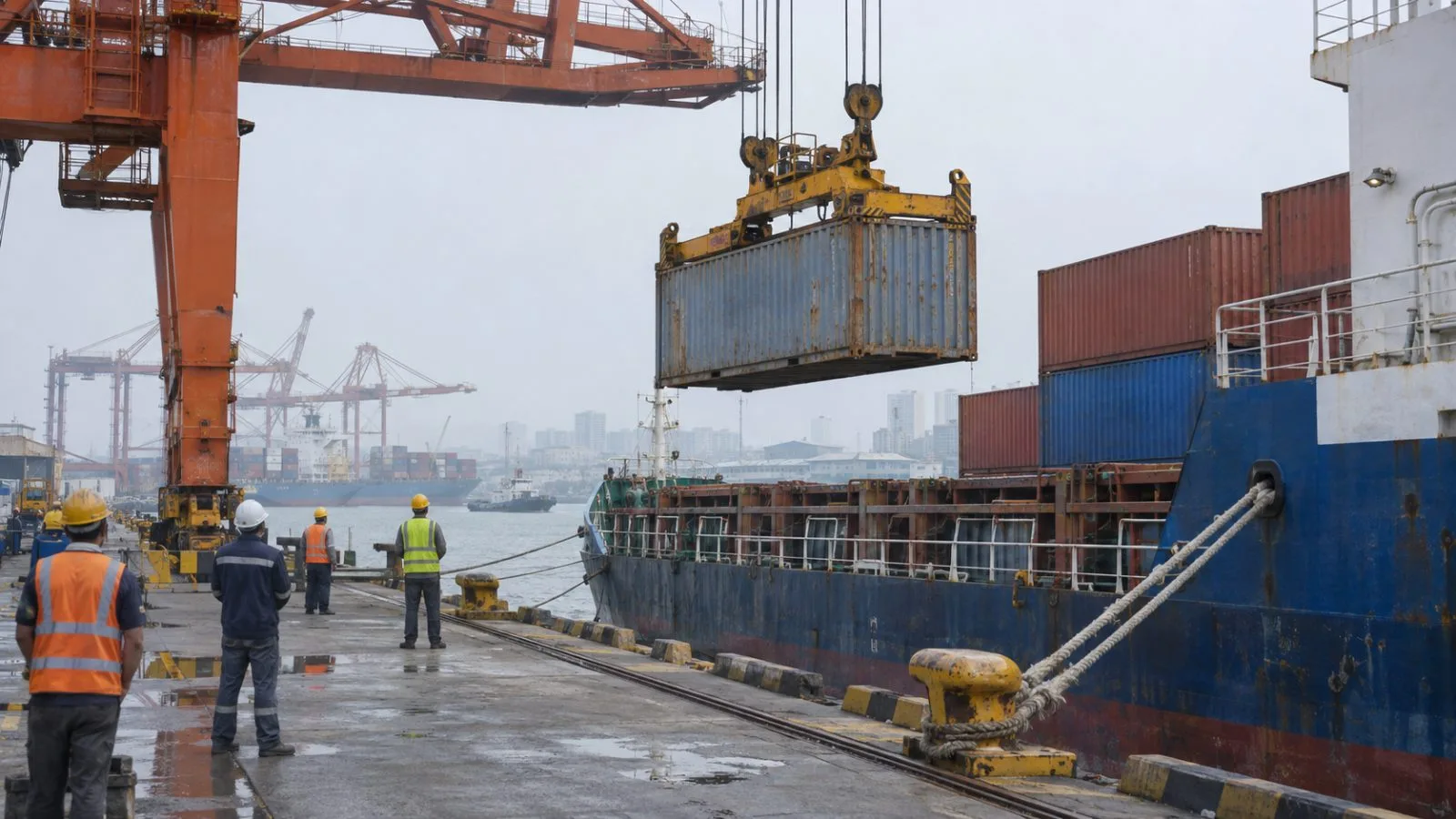
Thailand's Commerce Ministry said the United States was Thailand's largest export market in 2025, taking goods worth 2.37 trillion baht that the ministry linked to about 1.25 million jobs. The figures show the scale of the trade relationship affected by U.S. tariff policy, though the request has not changed the rate.
The Section 301 request is also separate from the 2025 reciprocal-tariff framework. USTR said the United States would maintain a 19% reciprocal tariff rate for Thai goods while identifying selected products for zero rates; Thailand's framework commitment covered eliminating duties on approximately 99% of goods.
Thailand's Commerce Ministry lists completing the legal text, Cabinet approval to sign, public consultation and parliamentary review as steps ahead. It gave no completion date. Reuters estimated legal drafting could take about two months; it said Thailand's consultation and parliamentary stages could then extend the process by months.