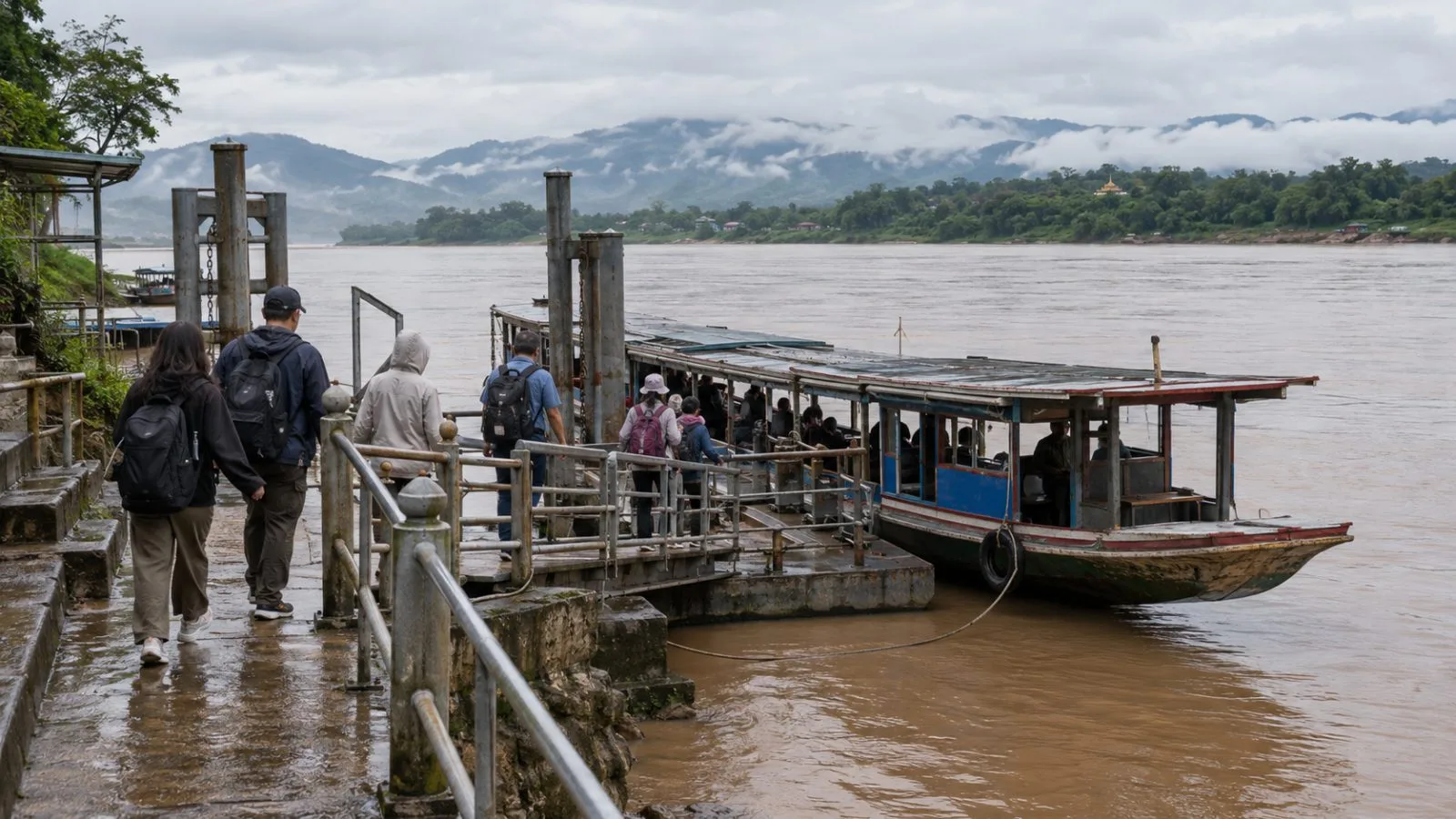
A proposed four-year program in Chiang Rai seeks $10 million from the Adaptation Fund to help tourism communities prepare for extreme weather, but the request remains unapproved.
The Adaptation Fund's project page records the proposal as “Concept Submitted.” It covers Chiang Saen, Mae Sai, Mae Chan and Mae Fa Luang. Planned work includes climate-risk information and hazard mapping, community adaptation measures, resilient tourism facilities and support for tourism-linked businesses.
The United Nations Industrial Development Organization (UNIDO) is listed as both the implementing entity and an executing entity. The other executing entities are the Designated Areas for Sustainable Tourism Administration, Thailand's Ministry of Tourism and Sports, and the Geo-Informatics and Space Technology Development Agency. The concept sets targets of more than 25,000 people and 250-plus small and medium-sized enterprises; those are proposed goals, not completed results.
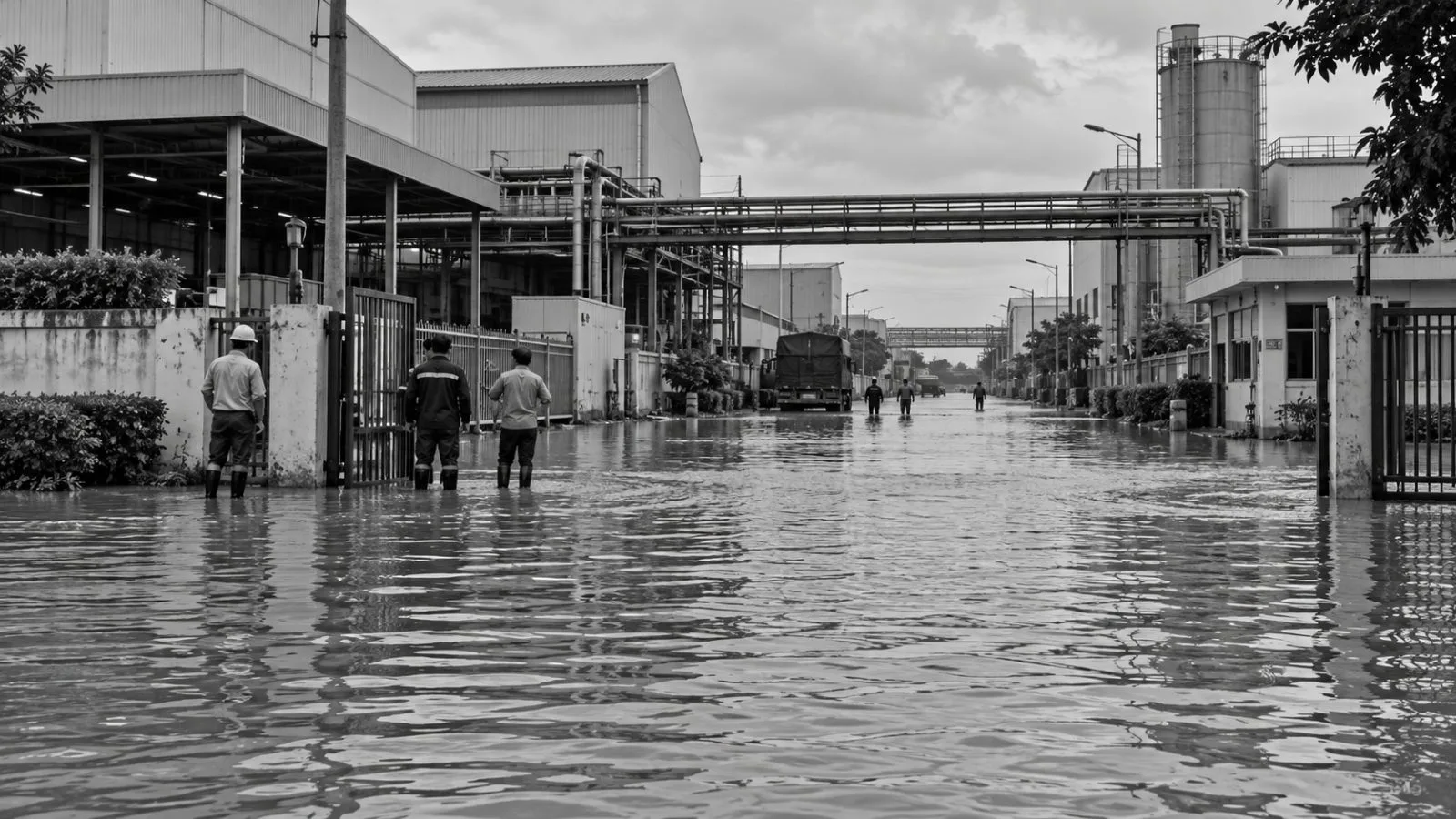
The Organisation for Economic Co-operation and Development (OECD) said in its July 1, 2026, OECD Tourism Trends and Policies 2026 report that survey respondents described weather disrupting travel and tourism operations, damaging facilities and making attractions or events inaccessible. Some governments said harm to a destination's image could affect future visits. The OECD says outdoor attractions, tourism assets in coastal or mountainous areas, and visitors unfamiliar with local hazards can increase exposure. Its recommendations include risk assessment, early warnings, emergency response and resilient infrastructure.
The OECD says smaller tourism businesses and low-income workers often have fewer financial and institutional resources to prepare for or respond to weather risks. The report points to Jasper, Canada, where accommodation capacity remained roughly 25% lower about a year after the July 2024 wildfires. It estimated tourism revenue losses of CAD 4.5 million per day.
Sipakorn Chaewasamoot, director of the Designated Areas for Sustainable Tourism Administration, told the Bangkok Post: “If we fail to adapt, we risk losing out to other countries that have invested in infrastructure upgrades.”