Thailand’s technology program spans a student-designed satellite whose ground station established contact, access to IBM’s quantum platform and proposed robot deployments, alongside a rehabilitation project described as under development in April.
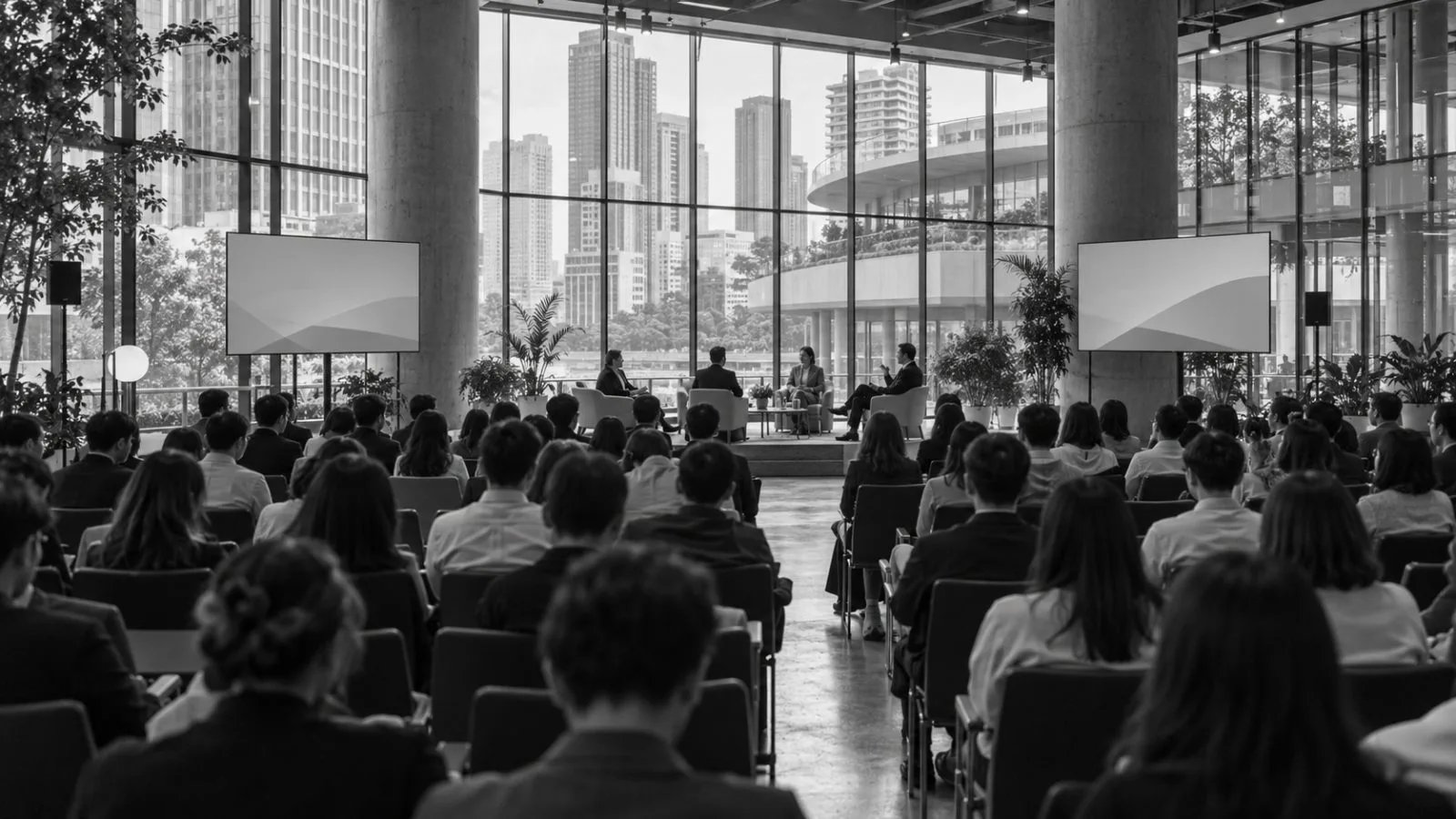
At CP Innovation Exposition 2026, held Oct. 20-22 at True Digital Park, executives discussed robotics, quantum computing, satellite networks and neurotechnology, according to True Corporation’s event recap. The announcements show projects at different stages, from factory use in China to research access and proposed applications in Thailand.
AGIBOT said multiple G2 robots had been integrated into tablet production lines at Chinese manufacturer Longcheer Technology by April 14. In March, AGIBOT and Thailand’s GULF Group announced a strategic partnership and plans for a Thailand-based joint venture. Proposed initial uses include reception robots at selected retail and financial-service sites, plus inspection robots and quadrupeds at power plants and renewable-energy facilities. The companies have not announced a schedule for the Thai pilots.
Chiang Mai University joined the IBM Quantum Innovation Center at the National University of Singapore on April 29, giving its students and researchers access to IBM’s quantum platform, the university said. The university and Thailand’s Ministry of Higher Education, Science, Research and Innovation said Quantum Club Thailand launched Aug. 3 as a national collaboration forum. IBM’s roadmap targets its Quantum Starling system for 2029, with planned capacity for 100 million quantum operations on 200 logical qubits.
GalaxySpace developed the Lingzhi-09 Thailand CubeSat, which launched Aug. 25. Thailand’s Geo-Informatics and Space Technology Development Agency (GISTDA) said Thai students designed the satellite and its ground station established contact. GalaxySpace said it had launched more than 50 independently developed satellites as of Sept. 20.
In an April 27 announcement, True Corporation said patients at Thai hospitals were participating in pilots to evaluate its Neuro AI rehabilitation technology while development continued. True and OYMotion identified stroke and limb rehabilitation as potential uses and said the project aims to address shortages of specialist physical therapists and health care cost constraints.
IBM’s 2029 Starling target is the next dated milestone; AGIBOT has not set dates for its proposed Thai robot pilots.