An email targeting two Rome-bound flights on Nov. 5 prompted military escorts and a diversion to France, interrupting travel as authorities searched the aircraft for explosives.
Italian news agency ANSA reported that the message reached addresses linked to Rome’s airport early Nov. 5 and named Finnair flight AY1761 from Helsinki and Aer Lingus flight EI402 from Dublin. It alleged explosives were aboard and warned that a blast would occur within 60 minutes.
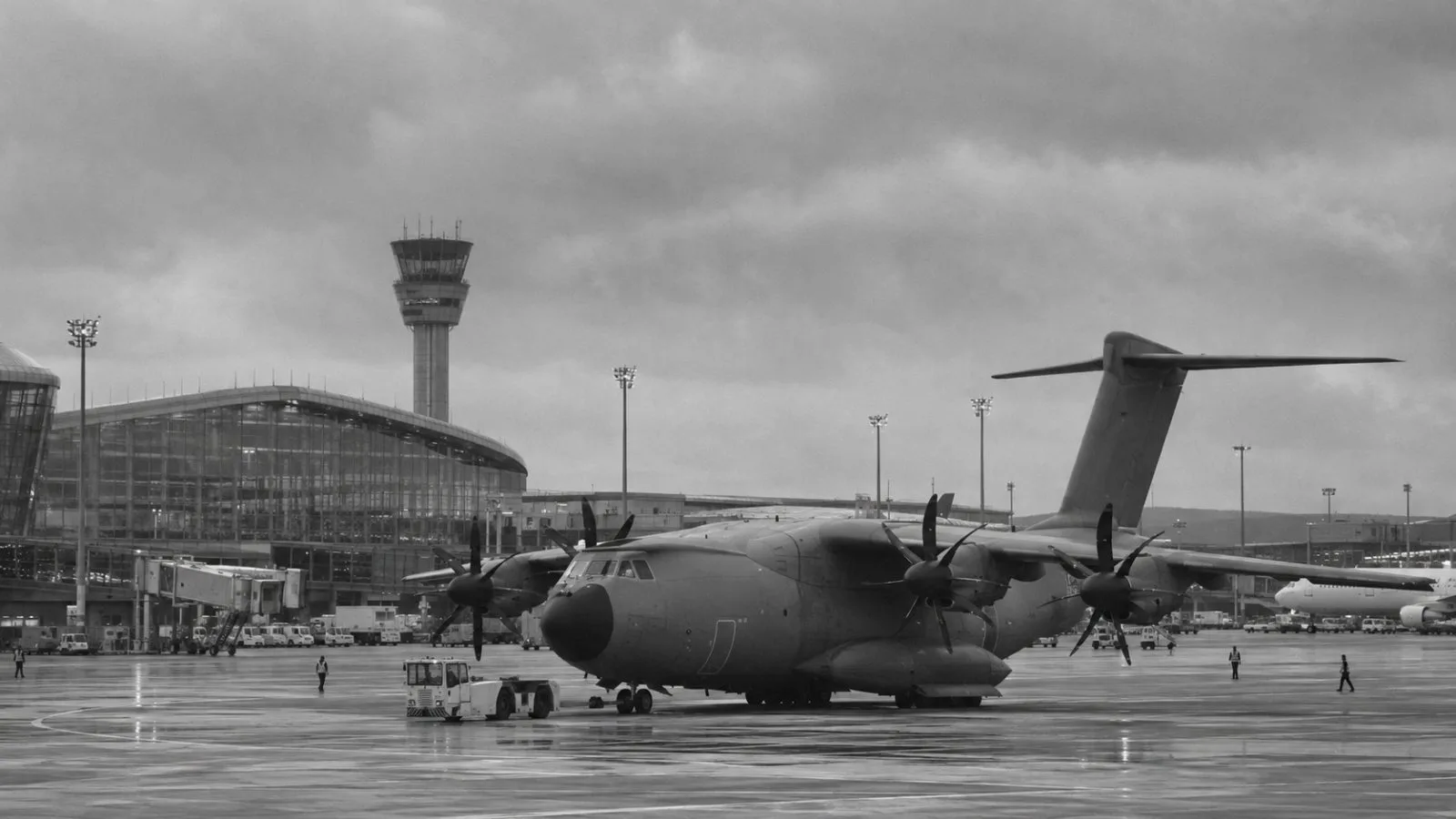
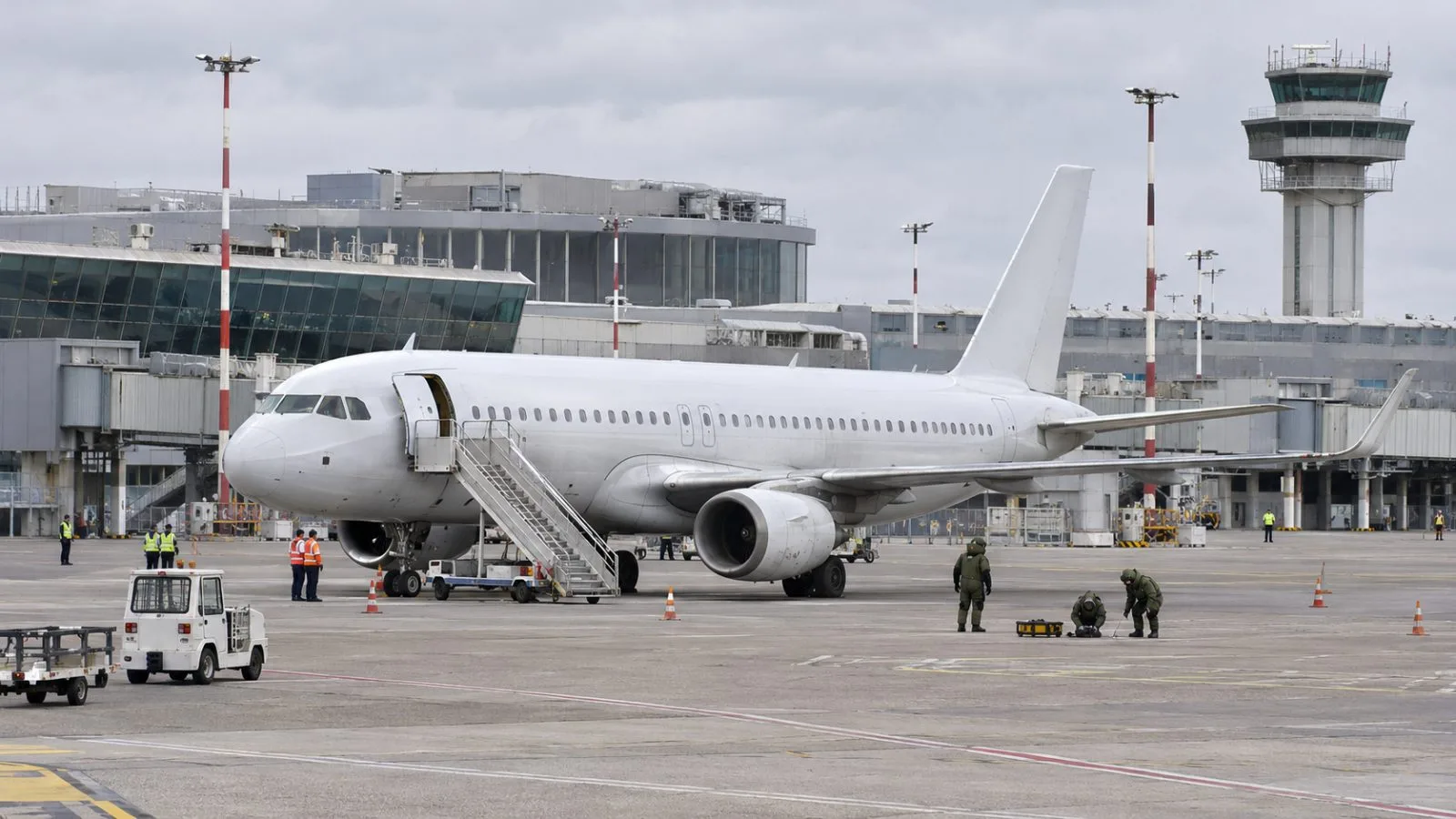
AY1761 arrived at Rome’s Fiumicino airport at about 3:30 a.m. EST (8:30 UTC), accompanied by Italian Air Force jets. Police bomb-disposal experts examined the plane. EI402 diverted to Évreux air base in France after a French military escort. The French prime minister’s office said all 157 people aboard — 151 passengers and six crew members — were brought to safety. Searches of both planes turned up nothing suspicious.
ANSA said the message was signed by people calling themselves “Fighters of the Male State.” The agency associated that name with Muzhskoye Gosudarstvo, which it described as an ultranationalist and misogynistic movement. Russia’s Justice Ministry lists the movement as extremist under an Oct. 18, 2021, ruling by the Nizhny Novgorod Regional Court. That legal designation does not identify who sent the email.
Reuters said it could not independently establish the sender’s identity. The agency reported that Vladislav Pozdnyakov, whom it identified as the movement’s founder, denied involvement and said the group had ceased to exist.
Reuters and Irish broadcaster RTÉ each reported that at least 27 European flights faced bomb hoax threats on Nov. 5. Reuters said the alerts came after a separate round on Nov. 3 that affected at least seven flights and a cruise ship. EconoTimes previously covered the Nov. 3 threats to seven European flights.
European Union Transport Commissioner Apostolos Tzitzikostas said it was too early to determine whether the incidents were connected. The Associated Press reported that national investigations were still active and an EU aviation-security information-sharing mechanism had been activated. Jacob Funk Kirkegaard, a senior fellow at the Bruegel think tank, told the AP the threats could be intended to test response systems and undermine confidence in air travel.
Philip Baum, a visiting professor of aviation security, estimated that a flight disruption could cost an airline as much as $250,000. He told The Associated Press that governments would cover the cost of military escorts.