China’s ties with Timor-Leste span coffee, education and defense as the country seeks new exports after production ended at the Bayu-Undan field; 2025 imports were about 23 times as much by value as non-oil exports.
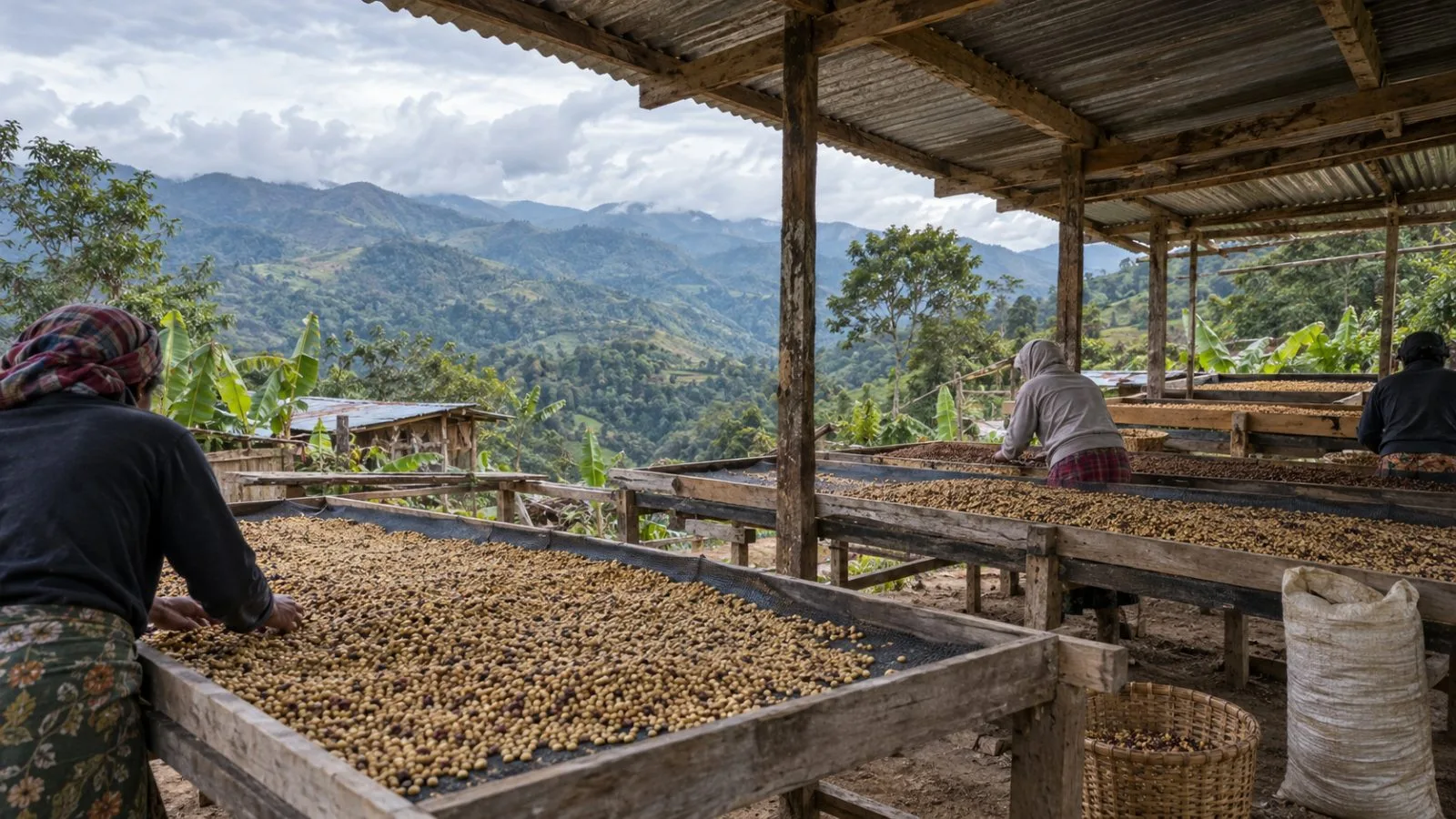
World Bank figures show merchandise imports of US$960 million against US$41 million in non-oil exports. The merchandise trade deficit equaled 47% of non-oil GDP. The World Bank said the broader external deficit was financed almost entirely through Petroleum Fund withdrawals. Production at the offshore Bayu-Undan oil and gas field has ended. Coffee generated nearly 90% of export earnings, the bank said, leaving export income vulnerable to weather disruptions and shifts in prices.
China is already a major trading partner. The World Trade Organization’s member profile, based on UN Comtrade data, shows China received 46.6% of Timor-Leste’s exports in 2023, worth US$76.2 million. China was also the country’s second-largest import source, supplying US$128.6 million, or 14.3% of imports.
The two governments established a Comprehensive Strategic Partnership on Sept. 23, 2023. Its joint statement covered training for coffee growers and support for Timorese coffee exports to China, alongside military exchanges, personnel training and joint exercises. The Chinese Embassy said a coffee-sector donation event was held Sept. 8, 2026, and described cooperation involving training, exchanges, product promotion and market development.
Education is another part of the relationship. The embassy said about 200 people attended a Chinese-language certificate ceremony and Spring Festival event at the Institute of Business’ Confucius Classroom on Feb. 1, 2026. It also said it would continue supporting Timorese students seeking to study in China through scholarship channels.
Naval ties date to 2010, when Timor-Leste received two Jaco-class patrol vessels purchased from China. The government said Oct. 29, 2026, that the vessel Betano had returned after refurbishment. An April analysis by the Australian Strategic Policy Institute argued that China’s engagement has strategic implications for Australia because Timor-Leste is near regional sea lanes.
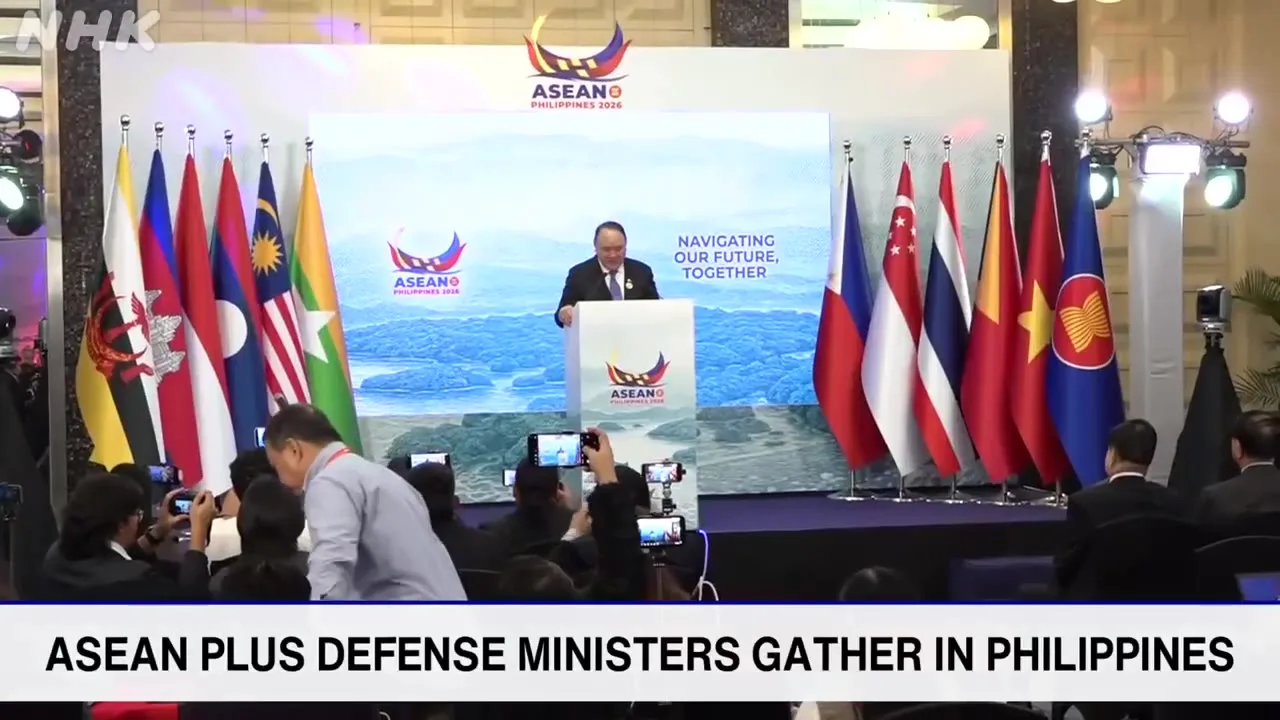
Timor-Leste joined the Association of Southeast Asian Nations (ASEAN) in October 2025. The World Bank said membership may open market-access opportunities, while firms will need to meet standards and the country will need stronger trade logistics and institutions. Timor-Leste plans to chair ASEAN in 2029, a role the bank identified as an incentive for faster reforms.