Will Todman argued that connecting Syrian refugees with work, finance and trade opportunities across the Levant could expand their role in regional investment and trade, but available estimates do not quantify resulting jobs or growth.
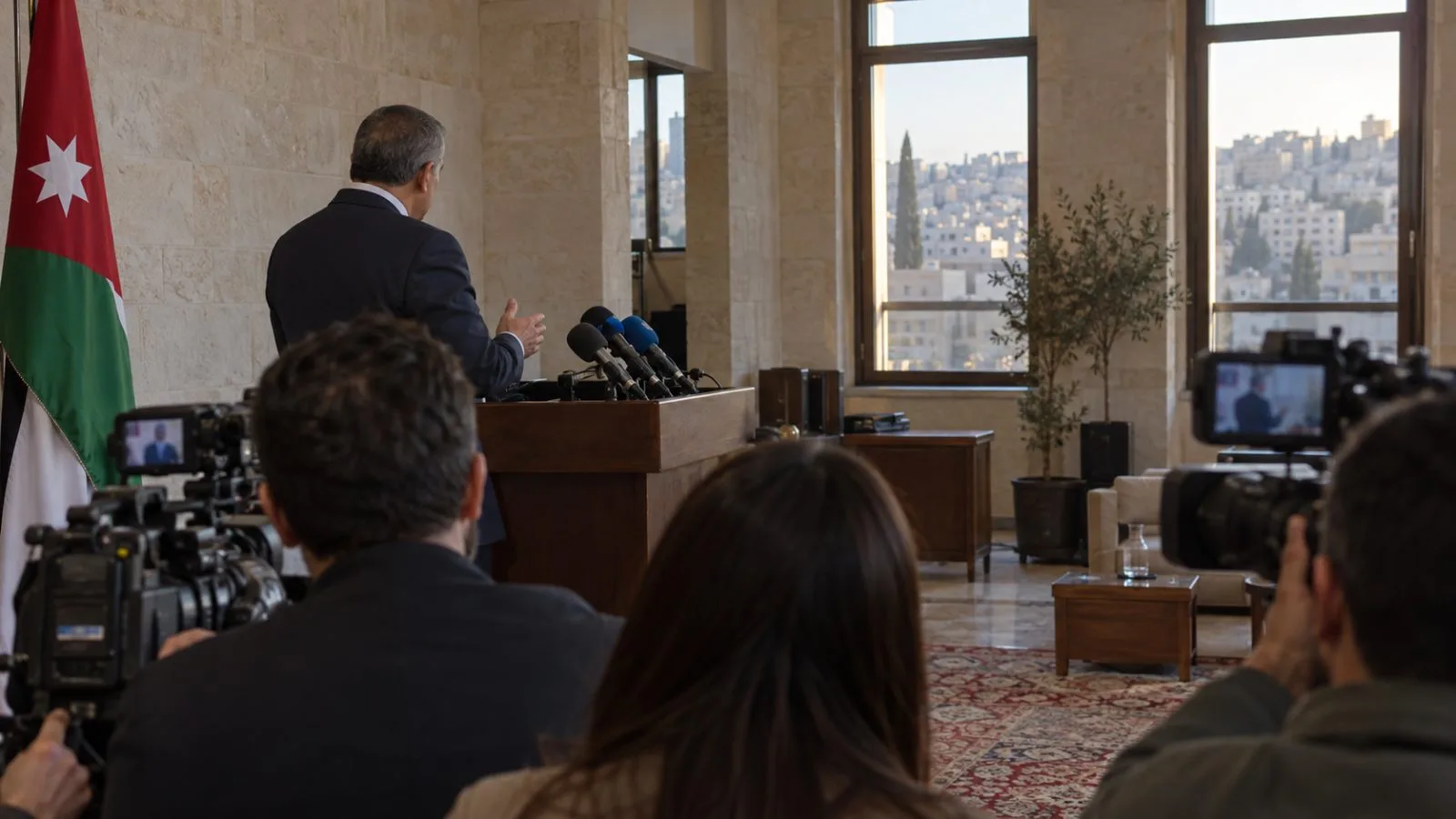
Todman, a senior fellow at the Center for Strategic and International Studies, made the case in an Oct. 28 opinion article published by The National. He proposed access to work, finance, business formation and mobility as ways for refugees to take part in regional commercial networks. The proposal is not an employment plan attached to the infrastructure projects announced in Syria.
The United Nations High Commissioner for Refugees (UNHCR) dashboard listed 3,764,301 registered Syrian refugees in data last updated Jan. 8, 2026. UNHCR identifies legal work and livelihoods as supports for refugee self-reliance. The agency says returns should be voluntary and take place when conditions allow for safety, dignity and sustainability.
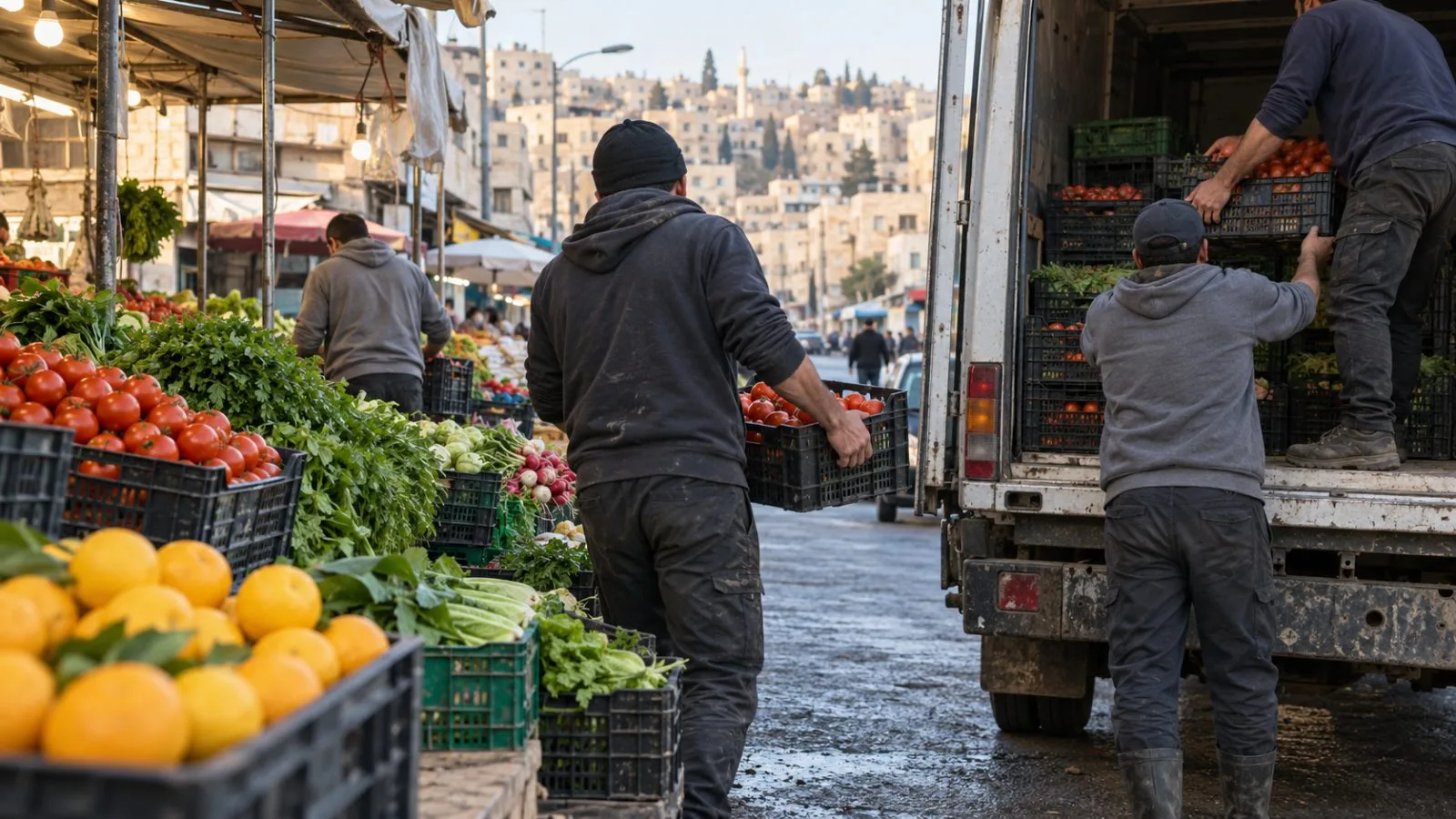
Jordan shows expanded permit issuance alongside continued hardship, but the figures do not isolate the program’s effects. The World Bank said its Economic Opportunities program, launched in 2016 under the Jordan Compact, issued 45,000 work permits to Syrians in 2019 and 90,000 in 2023. The cumulative total reached 340,000 permits by 2023, a measure of permits issued rather than unique recipients. The World Bank estimated that more than 162,000 Syrians were in formal or informal employment in 2021.
UNHCR reported that 67% of registered refugees in Jordan were below the poverty line in 2023, compared with 57% in 2021. Those figures describe different outcomes and do not establish whether the permit program caused either result.
The policy backdrop has changed. The European Union lifted its economic restrictions on Syria in May 2025 while retaining security-based measures, the Council of the EU said. The U.S. Treasury said the United States ended its broad Syria sanctions program effective July 1, 2025, while keeping targeted sanctions; the Caesar Act was repealed in December 2025.
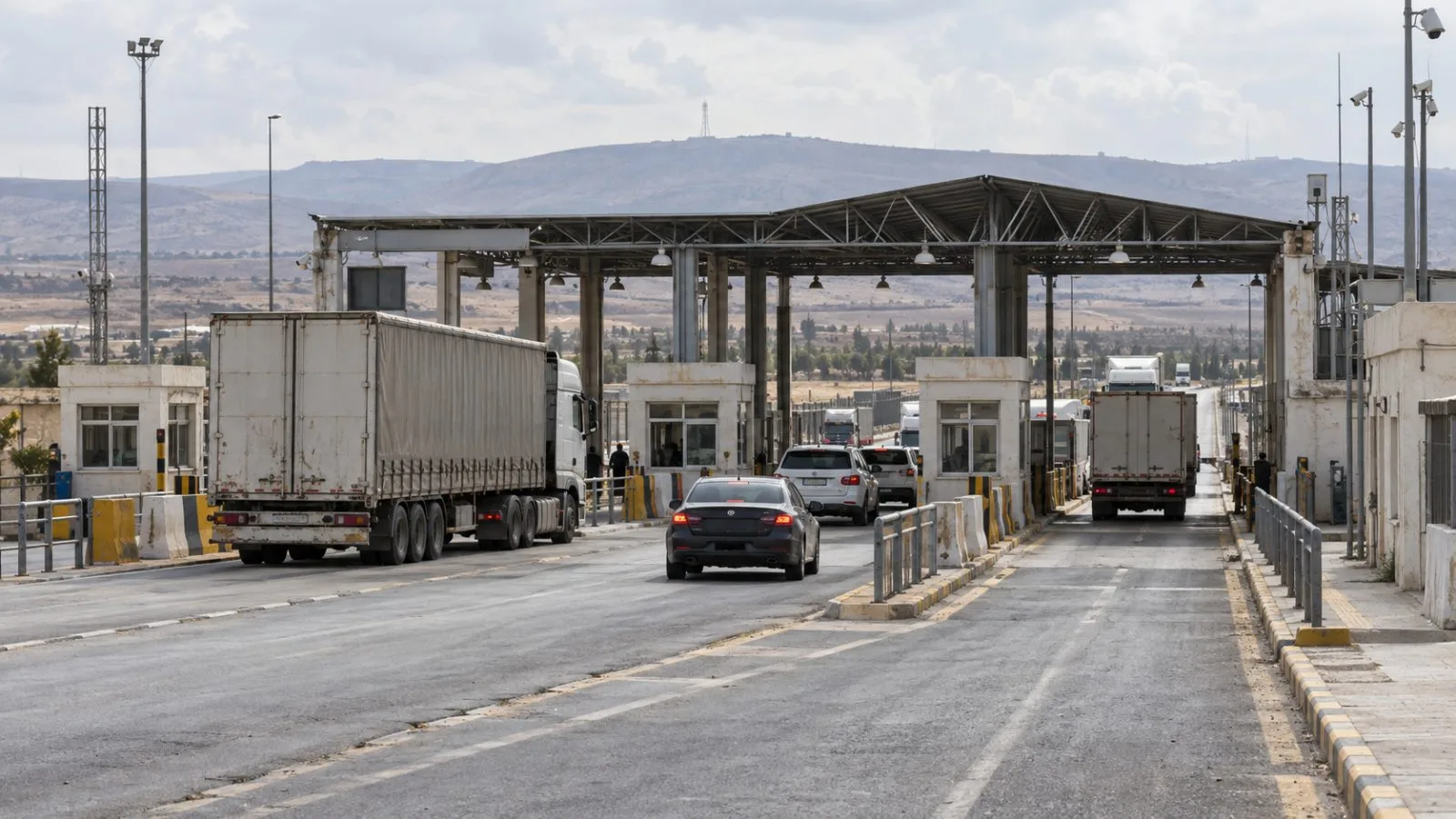
Saudi Arabia’s Ministry of Transport announced four transport and logistics agreements with Syria in late August 2026. Syria’s state news agency, the Syrian Arab News Agency (SANA), separately described two memorandums of understanding covering land transport, railways and logistics. The two announcements gave different counts.
UCC Holding said a consortium it led signed final contracts valued at $4 billion to develop Damascus International Airport. SANA reported on Apr. 15 that construction on a second terminal was underway. In September 2025, Qatar and Saudi Arabia committed $89 million through the United Nations Development Programme (UNDP) to support essential public services in Syria for three months; that initiative was not described as refugee employment funding.
Todman identifies Syrian workers and businesses, host communities and Gulf-backed projects as potential beneficiaries. His proposal would require host governments to grant and administer the legal and financial access he advocates, but the figures available do not quantify gains or costs. Future permit totals and implementation of transport and infrastructure deals can track activity; they do not by themselves show whether refugees gain jobs or income from those projects.