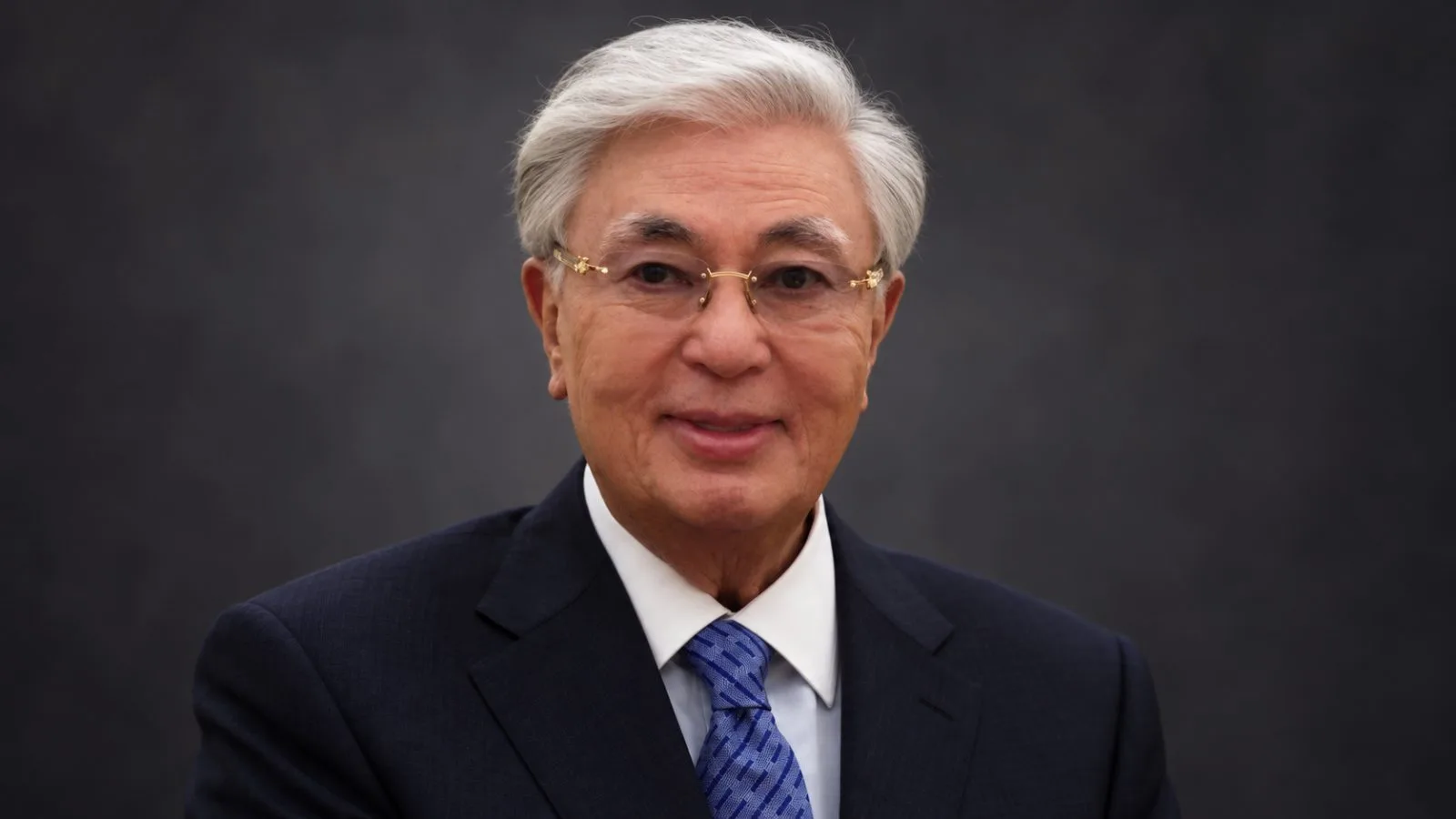
President Kassym-Jomart Tokayev said Kazakhstan could start building the Balkhash Nuclear Power Plant in 2027, as he set a separate national goal of ending electricity shortfalls and reaching a surplus by 2029.
In his Oct. 28 address, Tokayev said Kazakhstan generates 123 billion kilowatt-hours of electricity annually but still faces a substantial shortfall. He described a decades-old pattern of importing power from neighboring countries at high prices during winter and selling it back at lower rates in summer. Tokayev blamed inefficient energy management for delays to power projects. He also called for an agreement to advance the Moyinkum project.
Rosatom and Kazakhstan Nuclear Power Plants LLP signed an engineering, procurement and construction contract for Balkhash on Sept. 3. The planned plant near Ulken in the Zhambyl District of Almaty Region would have two units with a combined capacity of 2,400 megawatts.
In the October 2024 referendum, 5,561,937 of the 7,820,204 people who voted supported the nuclear plant proposal, or 71.12%, according to Kazakhstan’s Central Referendum Commission.
Tokayev called for a wider energy program that includes new power plants, upgrades to existing stations and transmission lines, cleaner coal generation and more renewable energy, particularly solar. He proposed updating the national energy balance through 2035 and considering a strategic state uranium reserve to supply nuclear plants for the next century. He also urged foreign partners to transfer nuclear expertise and train Kazakh specialists, citing proposals from Russian and Chinese companies.
Tokayev said construction could begin in 2027 but did not identify the work phase. Rosatom said investigations that began in August 2025 would be completed in 2027; its announcement did not explain how that schedule fits with Tokayev’s proposed construction start. The company reported that more than 60 boreholes, some as deep as 120 meters, had been drilled. After the investigations, engineers are to prepare permit documents.