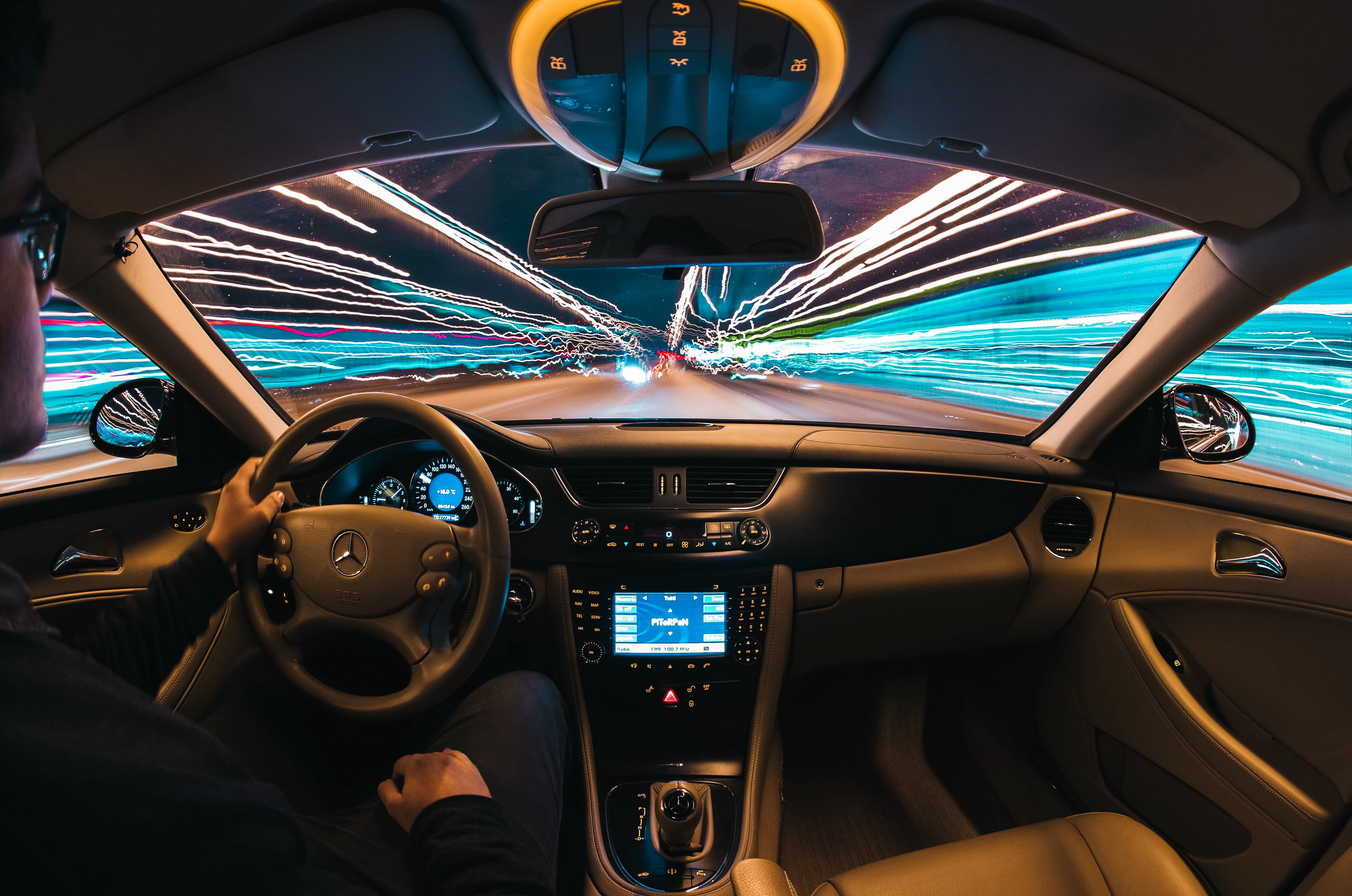
TomTom, a leading mapping/navigation company, has partnered with Microsoft to develop an advanced in-car voice AI assistant. The solution will revolutionize the driving experience by enabling natural voice interactions with the vehicle, providing navigation assistance, controlling onboard systems, and integrating with automotive infotainment platforms.
TomTom and Microsoft Collaborate to Innovate In-Car Voice AI
According to a report by PYMNTS, nearly 40% of U.S. consumers already rely on voice technology for navigation purposes. Building on this growing trend, TomTom and Microsoft have joined forces to introduce a groundbreaking in-car voice AI assistant.
By leveraging Microsoft's Azure OpenAI Service, the assistant will offer enhanced voice interaction capabilities with infotainment, location search, and vehicle command systems.
Transforming the Driving Experience with Seamless Voice Control
Mashable highlights that voice AI assistants are increasingly integrating into the automotive industry. Taking this integration to the next level, TomTom's in-car voice AI assistant will enable drivers to engage in natural conversations with their vehicles.
As highlighted in TomTom's press release, the assistant will allow users to navigate to specific locations, find stops along their route, and control onboard systems through voice commands, all with a single interaction.
The collaboration between TomTom and Microsoft goes beyond TomTom's proprietary infotainment platform, as the assistant can be integrated into other automotive systems. This integration will provide drivers with a seamless and intuitive voice-controlled experience, making driving safer and more convenient.
By combining TomTom's navigation expertise with Microsoft's AI capabilities, this partnership aims to revolutionize the in-vehicle experience.
As mentioned in the press release, incorporating large language models and other Azure applications will ensure that the assistant understands and responds accurately to user commands, further enhancing its usability.
The launch of this cutting-edge in-car voice AI assistant by TomTom and Microsoft signifies a significant step toward the future of driving technology.
As voice technology continues to gain popularity among consumers, this collaboration aims to meet the increasing demand for easy-to-use voice interactions in vehicles.