


 RBA Signals More Rate Hikes as Inflation Risks Rise
  Gold Prices Rise Above $4,200 as Russia-Ukraine Energy Truce Eases Oil Concerns
  Fungi are among the planet’s most important organisms — yet they continue to be overlooked in conservation strategies
  Global Stocks Mixed as Oil Falls Ahead of US Earnings
  Albertsons Seeks $9.3 Billion From Kroger Over Failed Merger
  As the Black Summer megafires neared, people rallied to save wildlife and domestic animals. But it came at a real cost
  How to create a thriving forest, not box-checking ‘tree cover’
  How America courted increasingly destructive wildfires − and what that means for protecting homes today
  Swimming in the sweet spot: how marine animals save energy on long journeys
  Samsung, SK Hynix Shares Fall as China's CXMT Advances DRAM Technology
  Russia Approves Sberbank for Crypto Exchange Services
  How is Antarctica melting, exactly? Crucial details are beginning to come into focus
  Bumble Shares Surge 50% on $1 Billion Buyout Talks
  Extreme heat, flooding, wildfires – Colorado’s formerly incarcerated people on the hazards they faced behind bars
  Samsung, SK Hynix Shares Plunge as China Chip Competition Grows


 Add as a preferred source on Google
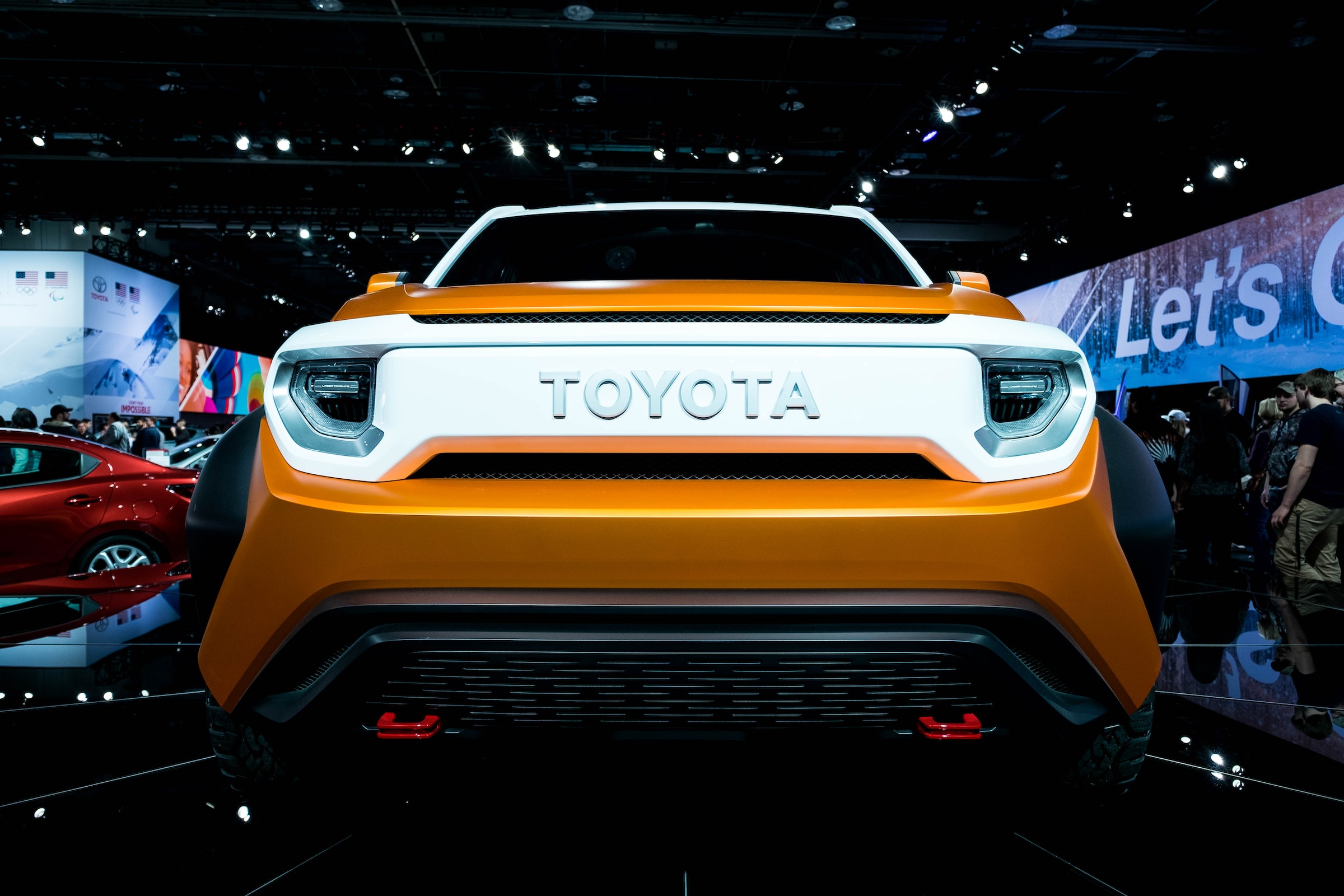
Toyota announces a breakthrough solid-state electric vehicle for 2027, promising to double the current driving range to 1200km and cut charging time to 10 minutes, revolutionizing the EV market.
Boasting a range double that of current models, the Japanese carmaker's ambition is to revolutionize the EV market with the implementation of a next-generation car that runs on solid-state batteries. What's even more intriguing is their new breakthrough in solid-state batteries; addressing major consumer concerns over range and durability, they aim to commercialize their new tech over 2027–2028.
The revolutionary battery promises a range of 1200 km and a charging time of as little as 10 minutes. This marks a significant leap in efficiency compared to the current industry standard, which requires up to thirty minutes for a quick charge. For the same feat, even the largest supercharger network, Tesla's, requires 15 minutes and will give only 321 km of charge.
This announcement has resulted in significant gains for their shares, with an increase of 5% in just one day. Toyota aims to launch next-gen lithium-ion batteries by 2026, ensuring longer ranges and quicker charging. Using solid electrolytes instead of liquid, it has a higher energy density that leads to an extended range, yet is safer than the lithium-ion battery, which isn't immune to the risk of catching fire if electrolytes leak.
Not only are they aiming to make solid-state batteries more durable and mass-producible by 2027-2028, but they're also hedging their bets by developing three types of lithium-ion batteries, which are cheaper by 20 to 40%. The automaker plans to introduce 10 new electric models by 2026 and achieve annual electric vehicle sales of 1.5 million units worldwide.
Toyota's redefined strategy is in response to the increase in competition from automaker giants such as Tesla Inc. and China's BYD Co.
Photo: Austin Park/Unsplash







