


 North Korea Fires Ballistic Missiles Amid Rising Tensions With South Korea
  NATO Commander Warns Russia of Devastating Response to Attack
  Jordan Bardella Antisemitism Allegations Threaten Le Pen’s Campaign
  Zelenskiy Seeks New US Talks to Revive Ukraine-Russia Peace Negotiations
  Trump Announces Massive Oil and Mineral Exploration Plans in Greenland
  US Senate Midterms 2026: Key Races That Could Flip Control
  US Recalls Nicaragua Envoy After Ambassador Rejection
  SpaceX Starlink Restrictions Disrupt Ukraine Military Operations
  Zelenskiy Says Ukraine Received No Warning Before Russian Missile Attack
  US Supreme Court Denies Release of Anti-ICE Activist Kyle Wagner
  Greenland Lawmakers Back Trump Security Deal Despite Economic Concerns
  Trump Denies China, Russia Are Helping Iran in War
  Trump Warns Houthis Over Attacks, Considers Erdogan Intervention
  Most Americans Oppose Election Betting on Prediction Markets, Poll Finds
  US Justice Department Drops Prosecution of Ex-CIA Analyst Sue Mi Terry
  China Warns Taiwan Over South China Sea Coast Guard Incident
  India Voter List Protests Reach Supreme Court as Opposition Demands Election Chief's Resignation


 Add as a preferred source on Google
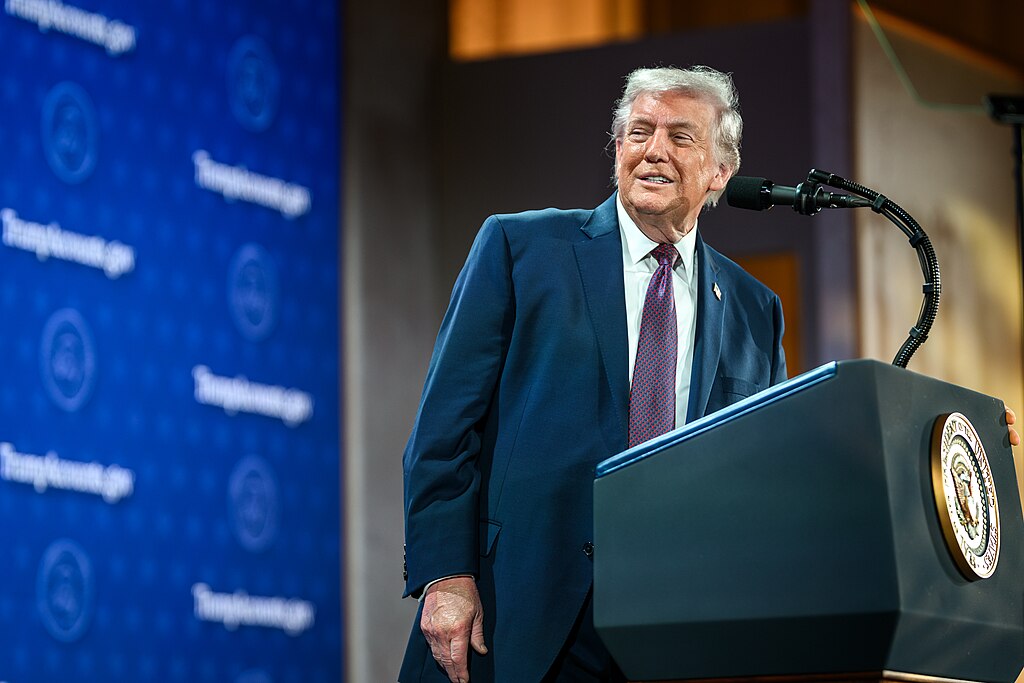
US President Donald Trump confirmed Tuesday that Washington continues to share military intelligence with Ukraine, despite concerns over missing missile warnings and renewed Russian attacks that Kyiv says violate a proposed energy ceasefire.
Ukrainian President Volodymyr Zelenskiy reported that Russian ballistic missiles struck Kyiv, targeting a thermal power plant. Mayor Vitali Klitschko confirmed that an attack on a residential high-rise killed two people.
Zelenskiy expressed frustration over the absence of advance warnings from Ukraine's allies, warning that Russian forces were preparing additional missile launches.
The attacks followed Trump's Sunday announcement of a Russia-Ukraine energy ceasefire, although neither country has formally confirmed an agreement.
Speaking to reporters, Trump insisted that US intelligence cooperation with Ukraine remained active.
"We are helping them, and we are sharing intel," Trump said, adding that Washington was working with both countries toward ending the conflict.
However, Trump declined to say whether Russia had violated the proposed ceasefire.
Zelenskiy separately told NPR that intelligence sharing had continued, although Ukrainian military commanders had received warnings about a possible suspension.
Ukrainian Foreign Minister Andrii Sybiha also confirmed continued US intelligence assistance, suggesting the delayed missile warnings were related to the weapons Russia deployed.
Meanwhile, tensions have intensified over Trump's decision to ease sanctions on Russian diesel exports to address rising fuel prices ahead of November's US midterm elections.
Zelenskiy argued that the sanctions relief would have little impact on American fuel costs but could provide Moscow with additional revenue to finance its military operations.
He also confirmed that Ukraine had suspended attacks on Russian oil refineries following Trump's ceasefire announcement.
Ukraine has relied on refinery strikes to weaken Russia's war economy, while US intelligence remains essential for detecting incoming ballistic missiles and identifying military targets.
Missile specialist Fabian Hoffmann warned that European allies have limited capabilities to replace America's advanced space-based missile detection systems.
Despite the tensions, Zelenskiy reiterated Ukraine's willingness to pursue diplomatic negotiations, including potential meetings with US envoys Steve Witkoff and Jared Kushner.
He emphasized that Kyiv would support a reciprocal energy ceasefire if Moscow respected its terms.
Russia, meanwhile, has provided no clear confirmation of the proposed agreement, with the Kremlin acknowledging only that diplomatic contacts remain ongoing.







