President Donald Trump said a new federal fraud-tip program would pay an uncapped 1%, while Justice Department terms set early awards at $10,000 to $30,000 for qualifying tips that lead to criminal charges.
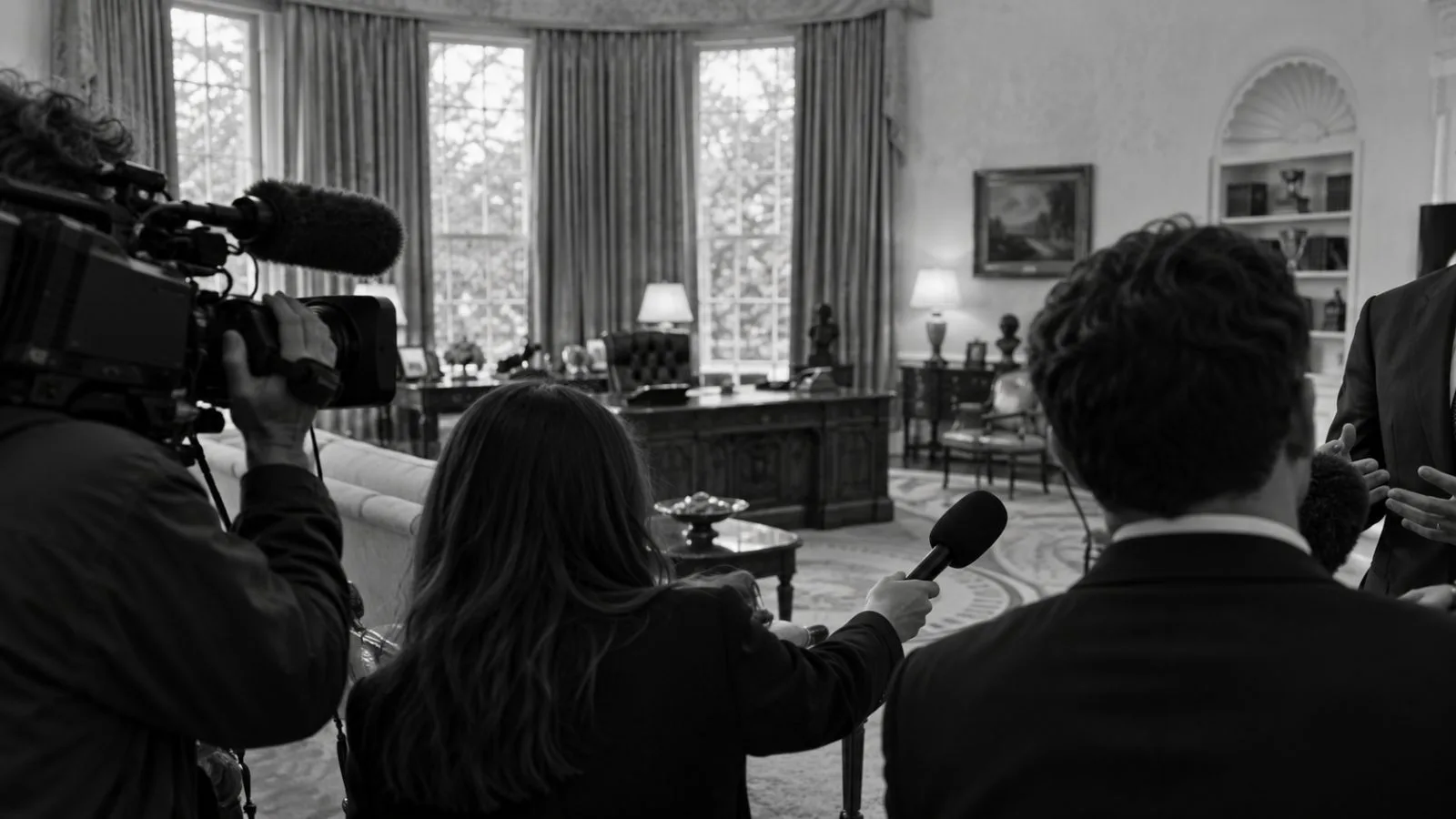
At an Oct. 20 Oval Office event, Trump said, “It’s 1 percent. There’s no limit.” The department’s rules specify an early payment range and give the agency sole discretion over awards. Recipients may also qualify for separate rewards under other government programs.
Andrew Feinberg, The Independent’s White House correspondent, asked why a whistleblower would use the pilot instead of the False Claims Act. Trump replied, “Because it’s a lot of money.” Vice President JD Vance called the question “fundamentally dishonest.” Later, when Feinberg tried to ask about a golf course, Trump told him to be quiet and asked, “Are you a sick person?”
The False Claims Act, enacted in 1863, lets private citizens sue on the federal government’s behalf to recover money obtained through false claims. The Justice Department says successful whistleblowers typically receive 15% to 30% of the government’s recovery. The department counted 1,297 qui tam suits in fiscal 2025. Settlements and judgments from those and earlier-filed suits exceeded $5.3 billion.
The pilot covers federal health care offenses and fraud involving specified government programs. It prioritizes cases involving hospice, home health care, day care and special services, and has an initial three-year term. The Department of the Treasury has committed $25 million to the program.
Separately, The Washington Post reported that the White House removed Feinberg from the press group scheduled to travel with Trump on Oct. 22. The White House Correspondents’ Association called the exclusion retaliation. The White House said journalists have no constitutional right to access the Oval Office, Air Force One or other restricted facilities. The dispute follows a broader White House press-access fight.