


 Trump Backs Florida Golf Course as Presidential Retreat
  ICC Rules Duterte Fit to Stand Trial in Drug War Case
  US, EU Push for Action Against Asia’s Excess Factory Capacity
  EU Rejects Italy, Greece Calls for Fiscal Rule Flexibility
  Trump Rallies in Texas as Republicans Face Tight Midterm Races
  Trump Weighs FBI Probe Into Nolan Wells’ Death
  Marco Rubio Warns Russia-Ukraine War Could Spark Wider Conflict
  US-Taiwan Ties Remain Strong as Taipei Urges Timely Arms Deliveries
  Iran Refuses to Halt Uranium Enrichment Amid US Nuclear Demands
  Zelenskiy Criticizes US as Russian Strikes Kill 78 in Ukraine
  US-Led Coalition Targets Global Factory Overcapacity
  Saudi Airport Attacks Kill Three as Yemen Fighting Escalates
  US Suspends Microsoft, Adobe From Green Card Program
  US Pressures Allies to Distance From Anti-Disinformation Conference
  Tsai Warns of China’s Sustained Pressure on Taiwan
  Hegseth Praises USS Abraham Lincoln Crew After Record Iran War Deployment
  RFK Jr. Launches Nationwide Vaccine Safety Review


 Add as a preferred source on Google
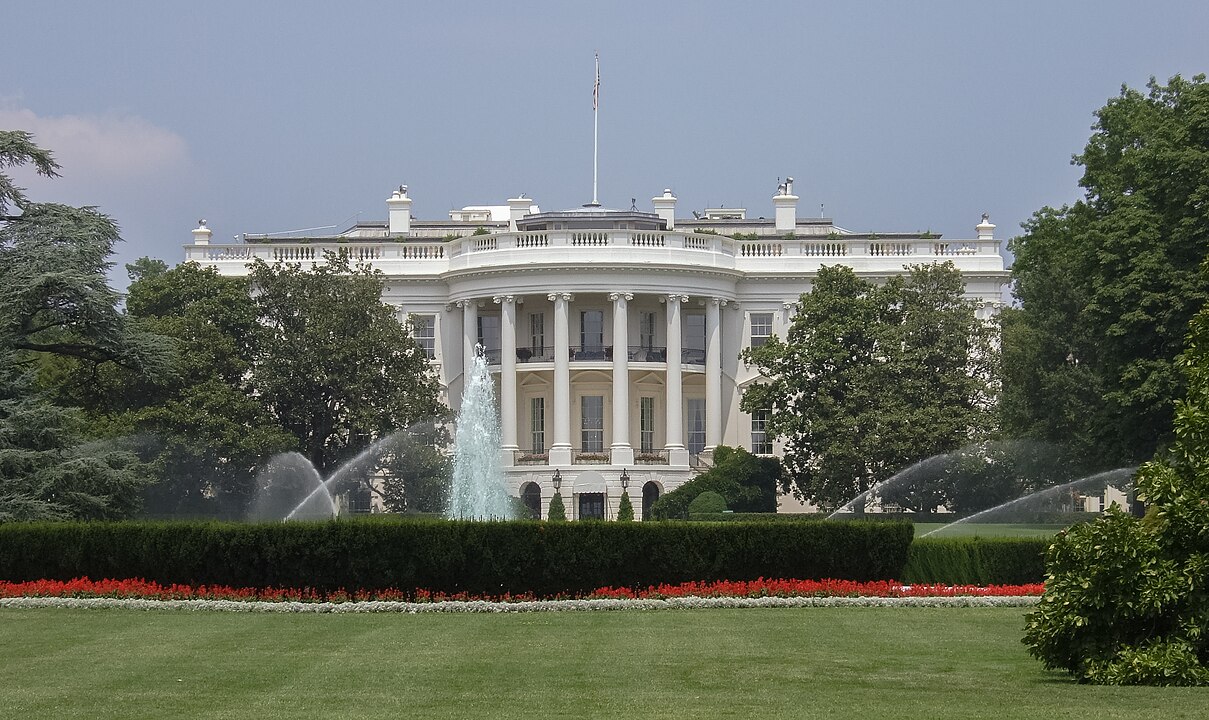
The White House spent months exploring ways to bypass the U.S. Election Assistance Commission (EAC) and use emergency powers to accelerate changes to voting systems before President Donald Trump dismissed the agency’s leadership this week, according to people familiar with the discussions.
Officials involved in the talks said some administration figures believed the bipartisan election agency was moving too slowly to update voting machine guidelines, revise the national mail voter registration form to include proof-of-citizenship requirements, and advance other election-related priorities.
On Thursday, Trump removed the EAC’s two Democratic commissioners, while the agency’s only Republican commissioner resigned. A fourth commissioner had already left in April, leaving the commission without a quorum. Although the agency can continue certifying voting equipment, conducting research, and distributing federal election grants, it cannot approve new policies or voting procedure changes.
The White House defended its broader election strategy, saying the administration has worked with federal agencies and local officials to strengthen election security and prevent fraud ahead of the November midterm elections. It also cited a recent U.S. Supreme Court ruling that expanded presidential authority to remove officials from independent agencies.
Democratic lawmakers sharply criticized the dismissals, arguing they threaten the independence of the federal body responsible for certifying voting systems. Senate Minority Leader Chuck Schumer described the move as an effort to increase federal influence over elections before voters head to the polls.
According to sources, White House officials last year reviewed an Office of the Director of National Intelligence (ODNI) recommendation to declare a national emergency and establish a federal task force that could require states to address vulnerabilities in voting systems without relying on the EAC. The proposal was never implemented.
The recommendation followed an ODNI investigation into voting machines seized in Puerto Rico. Sources said officials identified potential vulnerabilities they believed could exist elsewhere, although the report was never released publicly.
Election experts noted that updating voting system standards is intentionally a lengthy process because of the complexity of election technology and extensive public review requirements. Meanwhile, Congress allocated $45 million to the EAC in fiscal year 2026 for election system improvements. Since 2018, the agency has distributed more than $1.4 billion in grants to help states strengthen election administration.







