WASHINGTON, Nov. 10 (EconoTimes) — President Donald Trump said Cuba would “fall fairly soon” but gave no timeline or explanation; U.S. measures include new sanctions and a January process for possible oil-related tariffs.
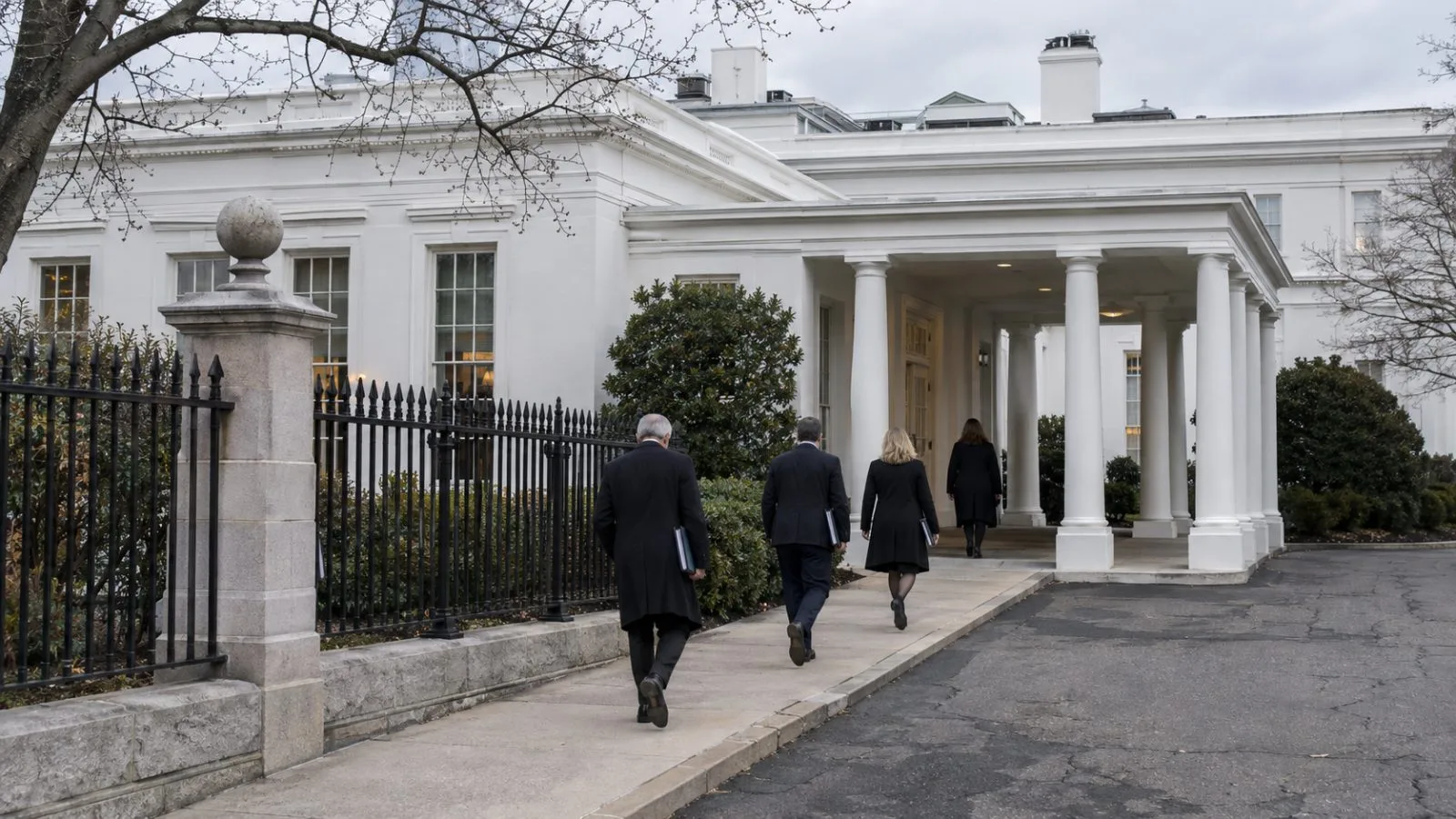
The White House video archive dates Trump’s remarks to Nov. 9. He did not announce a new measure. Secretary of State Marco Rubio, speaking to reporters in Paris that day, said Washington wanted a “better future” for Cuba. Asked whether the CIA had received responses to a public appeal, Rubio said, “I wouldn’t tell you if I got a result from the CIA.”
The remarks followed Associated Press calls on Nov. 3 and 4 that Democrats had won control of the Senate and House. The calls were not final certified tallies. EconoTimes previously covered Trump’s Cuba pledge before the midterm elections.
On Nov. 5, the Treasury Department’s Office of Foreign Assets Control (OFAC) added electronics, manufacturing, marine and technology sectors to criteria under Executive Order 14404. Foreign persons operating in those sectors face designation risk if officials determine they meet the relevant criteria; the determination does not automatically sanction every operator. The State Department said its related action designated eight entities and two individuals and identified five vessels as blocked property.
A separate order signed Jan. 29 established a process for possible tariffs on imports from countries that supply oil to Cuba. The order took effect Jan. 30 and directs the Commerce Department to make a finding on oil supplied after that date. The State Department would then recommend whether tariffs should be imposed and at what level, with the final decision left to Trump. The order sets no date for those steps.
Under the LIBERTAD Act, the president may begin suspending the embargo after reporting to the appropriate congressional committees that a transition government is in power and consulting Congress. A finding that a democratically elected government is in power triggers steps to end the embargo.
Responsible Statecraft argued that a U.S. military operation was unlikely in the near term, citing security and migration risks and conflicts in the Middle East. That was the author’s assessment, not an announced administration plan. The analysis said people in Cuba bear some of the strain from U.S. pressure, without quantifying it. The State Department says the sanctions target the Cuban regime and its enablers and that humanitarian trade remains authorized.