


 Panama Declares Emergency After 7.7 Earthquake Triggers 200 Aftershocks
  Yandex Data Center Hit by Drone Strike as Russia-Ukraine Cyber Infrastructure Attacks Escalate
  US Suspends Microsoft, Adobe From Green Card Program
  Florida Seeks Tougher Meta Rules to Protect Young Users
  Flavio Bolsonaro Leads Lula 49%-45% in Brazil Runoff Poll
  OpenAI, Anthropic Back Mandatory AI Breach Reporting in Australia
  Apple Supplier Luxshare Faces US Patent Probe, Sees Limited Impact
  Trump Sanctions International Criminal Court, Sparking EU Backlash
  Saudi Arabia Probes Flydubai Cockpit Attack
  US Treasury Drops Crypto Wallet Tracking Plan
  Houthis Warn Saudi Airports After Deadly Riyadh Attack
  Ripple Chairman Chris Larsen Donates $22.5 Million Ahead of US Midterms
  Lincoln University Students Sue Missouri Over Decades of Underfunding
  US Backs Musk in Fight Against EU’s €120 Million X Fine
  Evan Gershkovich Says FSB Set Trap for 2023 Russia Arrest
  RFK Jr. Launches Nationwide Vaccine Safety Review
  Zelenskiy Offers Russia Energy Truce Amid Trump Pressure


 Add as a preferred source on Google
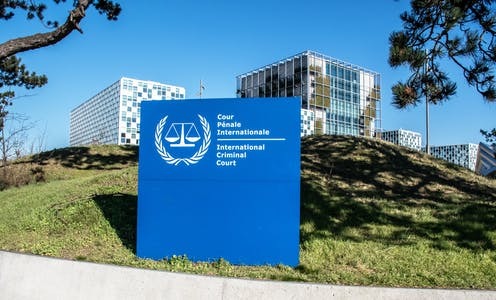
US President Donald Trump’s administration has imposed sweeping sanctions on the International Criminal Court (ICC), escalating tensions with European allies and raising concerns about the future of international justice.
The sanctions, announced Friday, came just hours after former ICC judge Navi Pillay received the Nobel Peace Prize. The court condemned Washington’s decision as an attack on international law and urged its 125 member states to defend its independence.
Unlike previous restrictions targeting individual ICC judges and prosecutors, the latest US sanctions could affect companies providing essential services to the court, including banking, insurance and technology support.
US Secretary of State Marco Rubio defended the measures, declaring that Trump would not permit the ICC to prosecute American citizens. He described the court as a rogue institution and said Washington intended to restrict its financial resources and operations.
The US Treasury introduced a six-month grace period alongside exemptions covering telecommunications, software, pensions and certain detainee-related transactions. Rubio indicated that the restrictions could be adjusted depending on how the ICC and its member states respond to American concerns.
Washington has repeatedly criticized the ICC over arrest warrants targeting Israeli Prime Minister Benjamin Netanyahu and its investigation into alleged misconduct by US military personnel in Afghanistan.
ICC Deputy Prosecutor Nazhat Shameem Khan rejected the sanctions, emphasizing that the court would continue its investigations and prosecutions despite mounting political pressure.
European Union foreign policy chief Kaja Kallas said the grace period created an opportunity for diplomatic discussions while stressing that the EU could take measures to protect the institution. Belgium also urged the bloc to consider activating legislation shielding European organizations from foreign sanctions.
The ICC, established in 2002, investigates genocide, war crimes and crimes against humanity. Its arrest warrants have targeted prominent figures, including Russian President Vladimir Putin and former Sudanese leader Omar al-Bashir.
Meanwhile, the Nobel committee described Pillay’s award as recognition of international courts facing increasing political attacks.
Anticipating broader US restrictions, ICC officials have reportedly begun replacing Microsoft software with open-source alternatives and establishing new banking and insurance arrangements.
The escalating dispute highlights growing divisions between Washington and European governments over international accountability, judicial independence and the enforcement of international law.







