


 Guatemala Receives 2,300 Mexicans Deported From US
  Trump Threatens Bombardier U.S. Sales Ban
  US Caribbean Vessel Strike Kills Three
  Russian Drone Strikes Hit Ukraine-Moldova Border, Kyiv and Sumy
  Iran Strikes U.S.-Used Jordan Base as Gulf War Escalates
  FDA Names Permanent Drug and Biologics Center Chiefs
  Trump’s Iran War Draws ‘Forever War’ Comparisons
  SEC Proposes ‘Regulation Crypto Assets’ Framework for Crypto Fundraising
  Brazil Warns EU of Retaliation Over Animal Products Ban
  US Bans Canadian Alcohol, Motorcycles as Trade War Escalates
  US Grant Program Excludes French Groups Ahead of 2027 Election
  Trump Hails AfD Election Win, Blames Germany Immigration Rules
  Trump Rallies Republicans at Dallas Midterm Convention
  Xi, Putin Reaffirm Ties With North Korea on Founding Anniversary
  Trump Grants Clemency to Jay-Z Associate Emory Jones
  Australia Defends Social Media Algorithm Law Amid US Concerns
  U.S. Probes Apex Logistics Over Nvidia AI Chip Shipments to China


 Add as a preferred source on Google
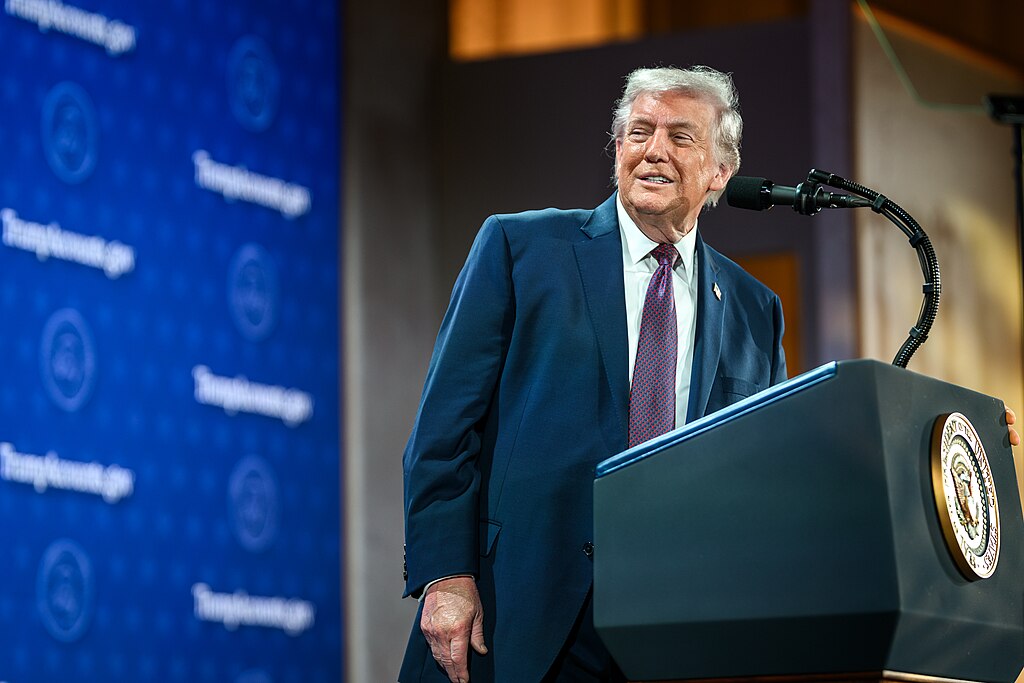
U.S. President Donald Trump signed a memorandum on Thursday aimed at dramatically expanding U.S. space launch capacity, directing federal agencies to remove regulatory barriers and strengthen cooperation with private space companies.
The White House is targeting at least 1,000 space launches and re-entries per year by 2030, a significant increase from the 178 launches recorded last year. That figure was already roughly 10 times the number of U.S. launches conducted in 2013, highlighting the rapid expansion of the commercial space industry.
Under Trump's space launch initiative, federal agencies will be instructed to encourage the joint development of space transportation infrastructure with private-sector partners. The administration is seeking to ensure that U.S. launch facilities can accommodate growing demand from commercial, government and national security missions.
The memorandum also calls for faster permitting and environmental reviews, which could shorten development timelines for new launch sites and supporting infrastructure. Regulatory processes have become increasingly important as companies expand rocket launches and satellite deployments across the United States.
Another priority is ensuring sufficient wireless spectrum for launch operations. Reliable access to spectrum is essential for communications, tracking, telemetry and other functions required during rocket launches and spacecraft re-entries.
The initiative comes as the U.S. commercial space sector continues to grow, driven by increasing demand for satellite deployment, national security missions, scientific programs and private spaceflight. Companies are also developing reusable rockets and other technologies designed to reduce launch costs and increase flight frequency.
By setting a target of 1,000 annual launches and re-entries, the Trump administration is seeking to accelerate the expansion of America's space transportation network while strengthening partnerships between federal agencies and private companies.
The plan reflects Washington's broader push to maintain U.S. leadership in the global space industry as commercial activity and international competition continue to intensify.







