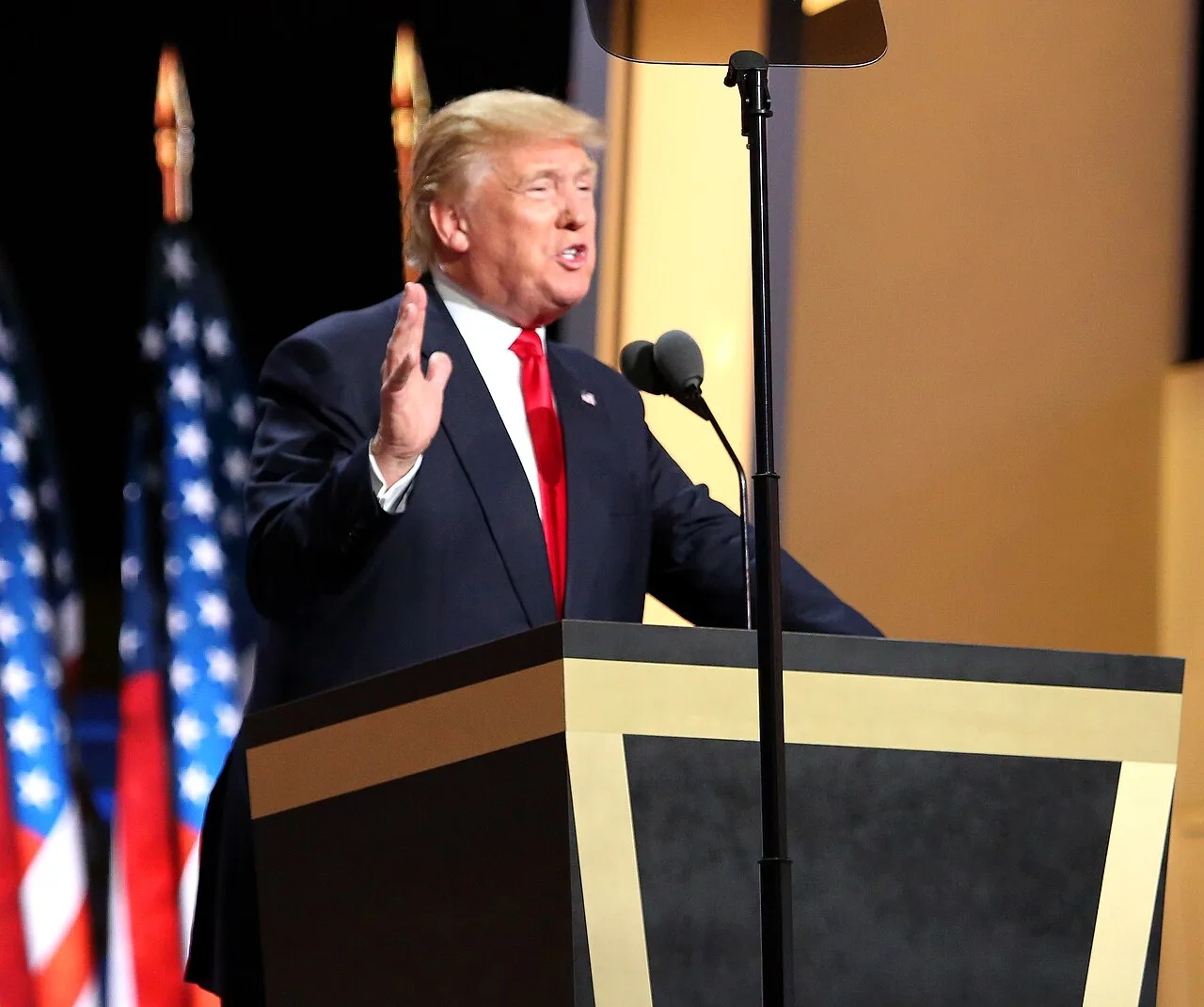
US President Donald Trump has suggested that Ukrainian President Volodymyr Zelenskyy should appoint someone else to lead peace negotiations with Russia, raising fresh questions about Washington’s approach to ending the ongoing Russia-Ukraine war.
Speaking to reporters on Monday, Trump expressed doubts about Zelenskyy’s role in diplomatic discussions aimed at securing a peace agreement between Kyiv and Moscow. The US president indicated that a different Ukrainian representative might be better positioned to handle negotiations.
"Maybe it’s time for Zelenskiy to get somebody else to negotiate," Trump said, signaling his preference for a change in Ukraine’s negotiating leadership.
The remarks follow Trump's October 10 statement calling for Ukraine to replace its president. His latest comments reinforce his criticism of Zelenskyy as diplomatic efforts continue to seek a resolution to the conflict.
Trump also offered an assessment of Russia’s recent activities in Ukraine, suggesting that Moscow had shown relatively limited activity. He described Russia’s conduct as "fine" and added that Russian forces had not been doing much.
The comments come amid continuing uncertainty over prospects for a negotiated settlement between Russia and Ukraine. Any potential peace agreement would require discussions over major issues, including security arrangements, territorial disputes, and conditions for ending hostilities.
Despite his criticism of Zelenskyy, Trump confirmed that the United States continues to provide intelligence assistance to Ukraine. The ongoing intelligence-sharing arrangement remains an important component of Washington’s support for Kyiv during the conflict.
The US president also addressed the situation of Ukrainian nationals currently residing in the United States. Trump said he would consider allowing Ukrainians to remain in the country under Temporary Protected Status (TPS) until the war ends.
Temporary Protected Status provides eligible foreign nationals with protection from deportation and authorization to work in the United States while dangerous conditions persist in their home countries.
Trump's statements highlight the different issues shaping US-Ukraine relations, from peace negotiations and intelligence cooperation to immigration protections for Ukrainians displaced by the war.
As efforts to end the Russia-Ukraine conflict continue, attention will remain focused on whether Washington's position influences future diplomatic discussions and Kyiv's approach to negotiations with Moscow.