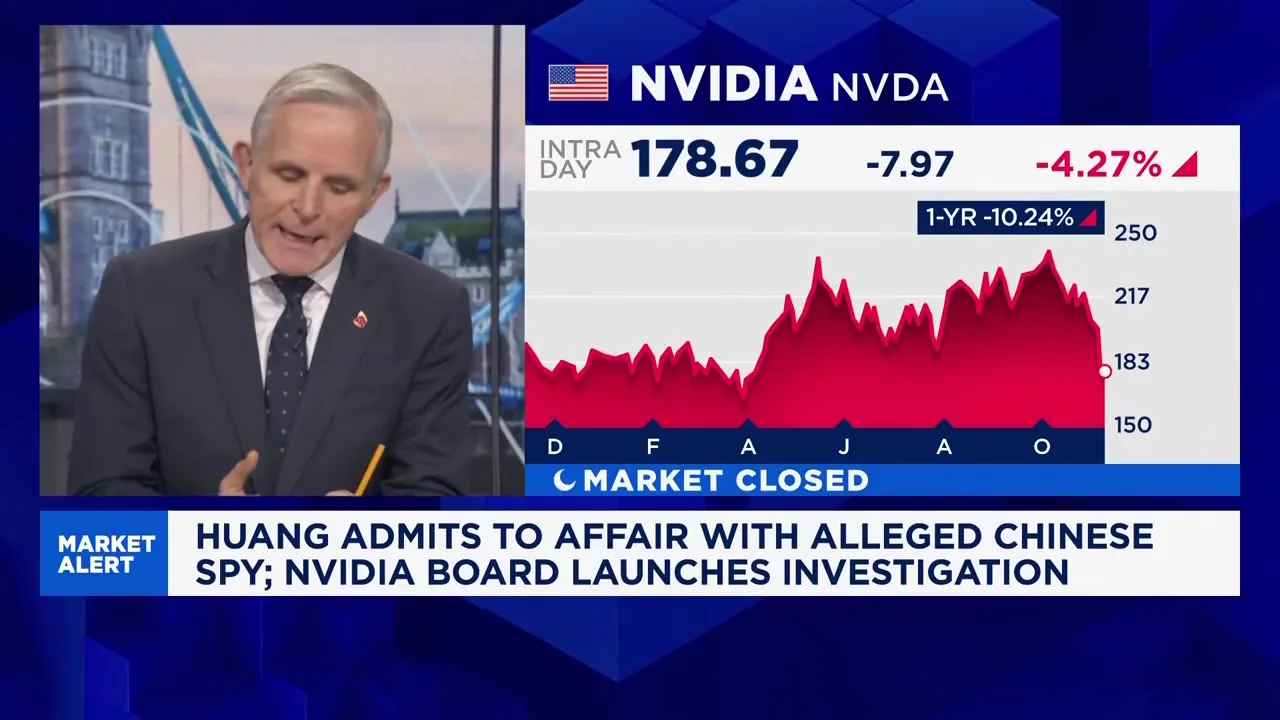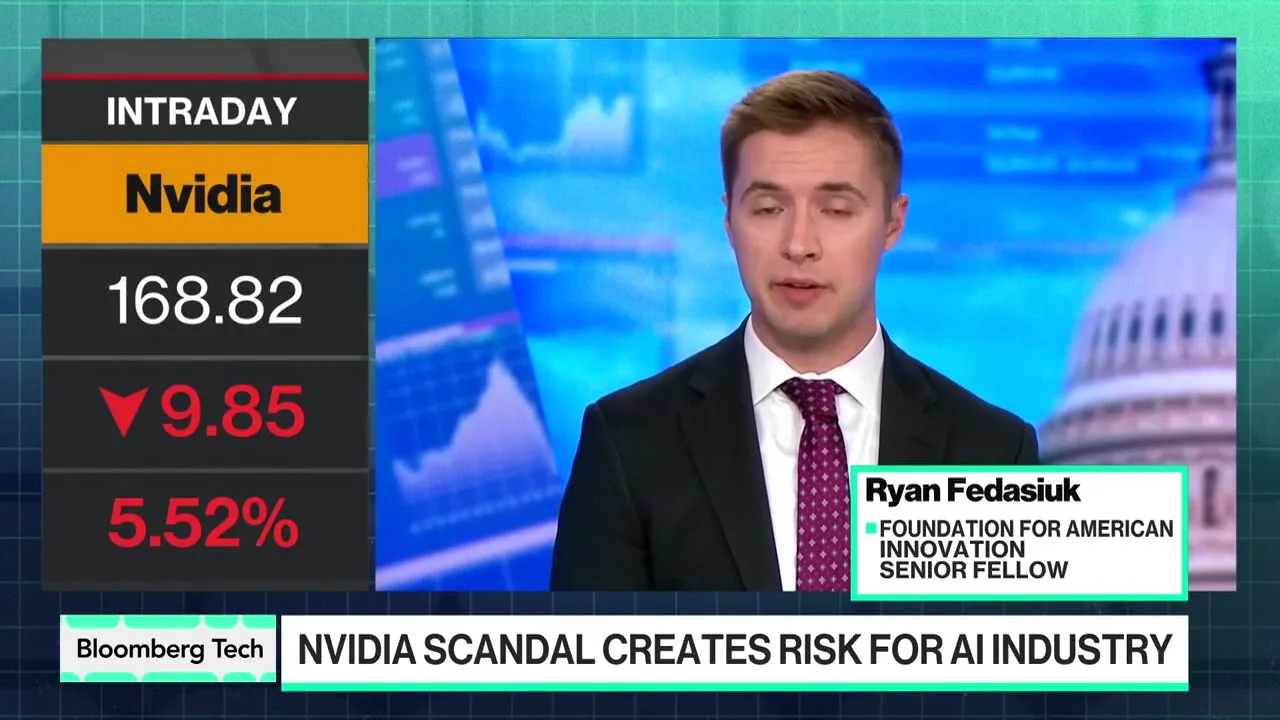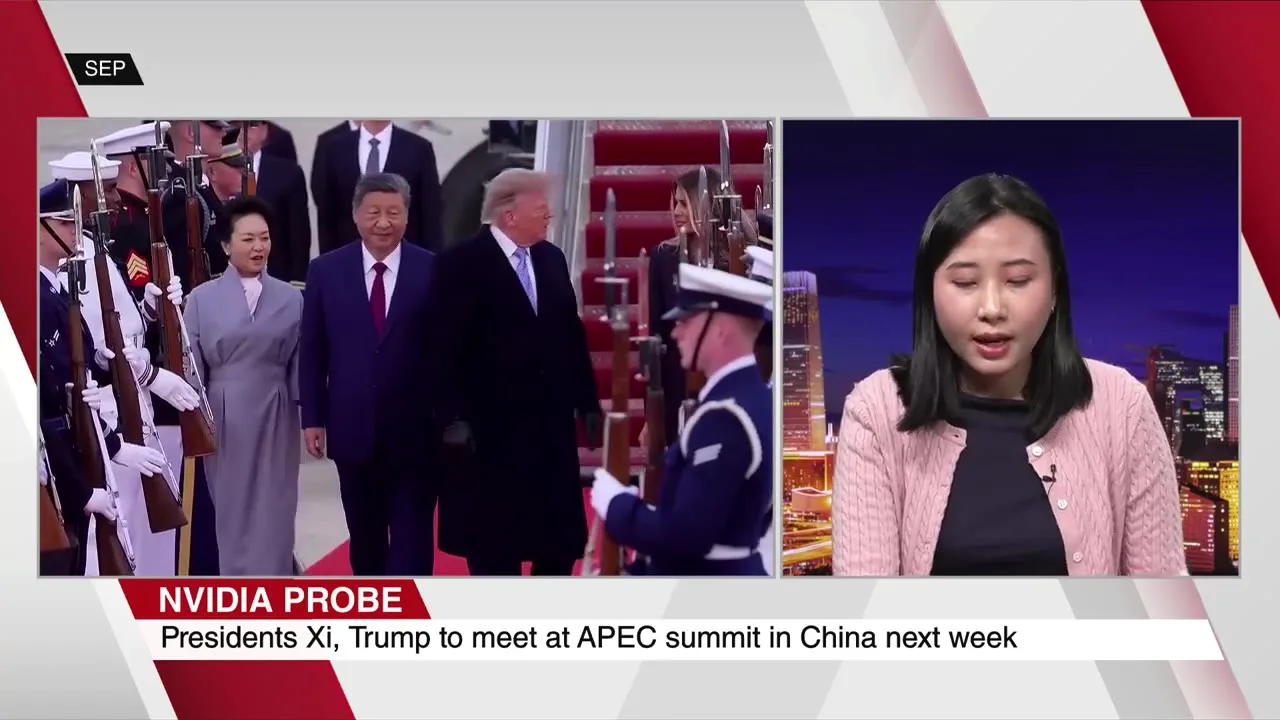
The FBI was investigating allegations involving Nvidia chief Jensen Huang’s relationship with a Chinese businesswoman accused of spying for Beijing, US President Donald Trump said in remarks broadcast on Nov. 10.
Nvidia also opened an independent investigation into whether Huang was targeted by a foreign intelligence operation. The company said it had no reason to believe its trade secrets or US national security had been compromised.
CNA carried the remarks on East Asia Tonight, published on Nov. 10. The FBI declined to comment on the matter, leaving the scope of any federal investigation unclear.
The New York Times reported that US intelligence officials believed the woman had passed information to the Chinese government. US media identified her as a Chinese national and former executive of Singapore-based data centre company Mega Speed.
Trump said he had asked Huang directly about the allegations. “He said he had absolutely no idea that the person in question was a spy,” Trump said.
Trump also defended Huang personally. “I just know Jensen very well. I just think he’s a very honorable man,” he said, adding that Huang had built a great American company.
China’s Foreign Ministry rejected the spying allegations as groundless and an attempt to discredit the country. It did not directly answer questions about the woman or whether the allegations could affect the planned meeting between the Chinese and US presidents.
Trump said he did not expect to raise the issue himself at the following week’s summit in Shenzhen. He suggested that China’s President Xi Jinping might want to discuss it.
Huang’s attendance remained uncertain. Trump said he was still willing to take him along, following reports that the Nvidia chief had discussed joining the US delegation.
Huang joined Trump on a visit to Beijing in May and attended a White House dinner for Xi in September. Those appearances formed part of the close relationship between the Nvidia chief and Trump.
Nvidia makes advanced artificial intelligence chips that Chinese companies seek to develop more powerful AI systems. Washington has restricted sales of its most advanced chips to China, citing national security concerns.
Huang has pushed for permission to sell more chips in China. Trump eased restrictions on Nvidia’s H200 chips last December, but reports the previous week said about 600,000 were awaiting Beijing’s import approval in Hong Kong.
China is also seeking to develop its own technology and reduce dependence on the United States. Greater self-reliance in science and technology is a goal of its next five-year plan.