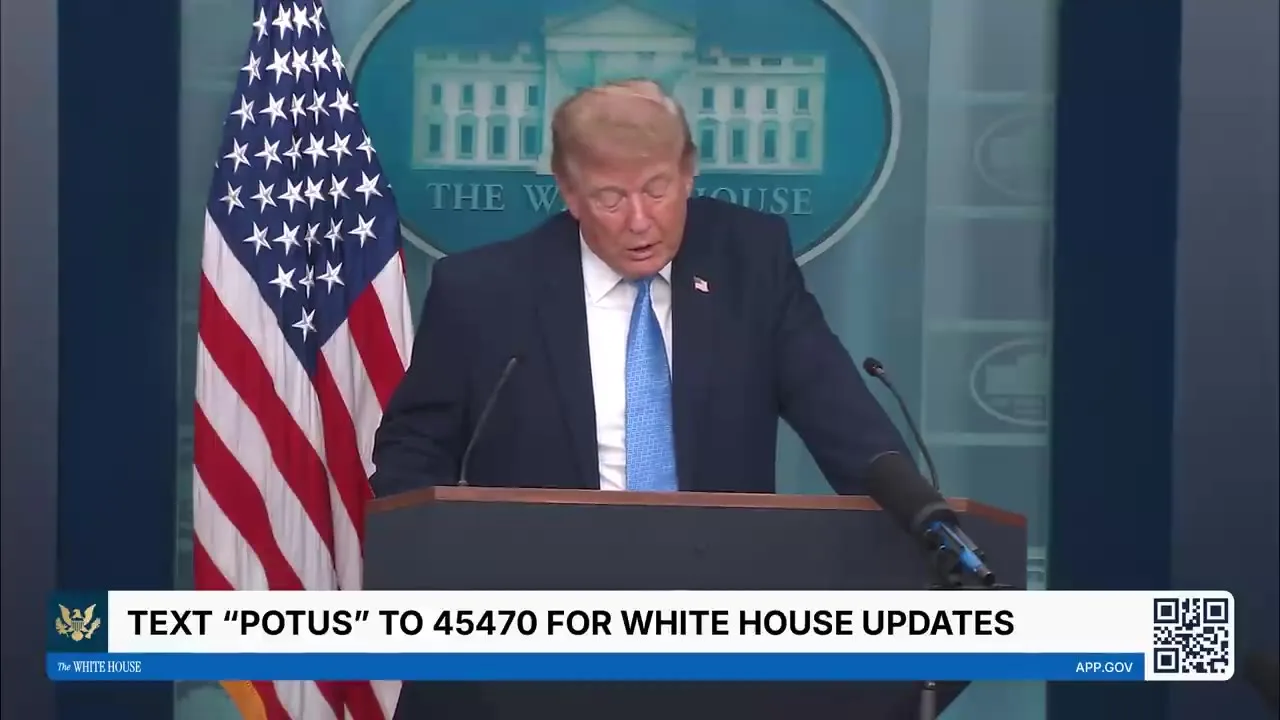
The United States will maintain its blockade of Iran at Gulf allies’ request while keeping forces ready for further military action, U.S. President Donald Trump said in remarks published on Nov. 9.
Trump said protecting allies required a lasting settlement before Washington could end the conflict. He offered no timetable or conditions for lifting the blockade beyond insisting that Iran must never acquire a nuclear weapon.
In the White House’s own recording, “President Trump Delivers Remarks,” he described a conversation with Qatar’s prime minister about Iran. He said Qatar, Saudi Arabia, the United Arab Emirates, Bahrain and Kuwait preferred the existing restrictions.
“We’re just keeping it the status quo and we’re doing that really at the behest of countries that are their neighbors,” Trump said.
He described a naval blockade lasting months and a newly imposed land operation called Iron Gate. He said nothing had passed through the blockade and said the restrictions were devastating Iran.
Trump called the prohibition on an Iranian nuclear weapon “a non-negotiable point.” He said Iran accepted that condition privately while rejecting it publicly, without describing an agreement.
He said further military action appeared unnecessary but that U.S. forces were ready if circumstances changed. He said the United States had suffered no soldier deaths or injuries in six months.
Trump also said oil flows through the Strait of Hormuz over the previous week exceeded any previous period. He gave no volume or supporting figures for that comparison.
He said talks concerning Russia and Ukraine were taking place in Abu Dhabi. He put deaths in that war at about 25,000 people a month, mostly soldiers, and 32,000 two months earlier.
Trump compared those losses with U.S. wars, citing 60,000 soldiers killed over 21 years in Vietnam and about 50,000 over four years in Korea. He described Afghanistan’s toll as thousands over many years.
Turning to Venezuela, he said a U.S. military operation lasted 48 minutes and cost no American soldiers’ lives. He said it generated billions of dollars a day and brought in millions of barrels of oil weekly.
He said major oil companies were operating there and described Washington as being in control while maintaining good relations with the government. He did not identify the companies or explain the revenue calculation.
Returning to Iran, Trump said inflation stood at 301% and that the country was failing to pay its military and guards. He supplied no period for the inflation figure.
He said Iran had lost its navy and air force, citing 158 sunken ships and 268 aircraft scattered across runways. He said about 85% of its manufacturing capacity was gone, with limited missile and drone production continuing.
Trump said Iran was talking to Washington and suggested the conflict could end soon, while adding, “I don’t guarantee anything.” He also said at least 75,000 protesters had been killed over seven or eight months.
Asked later why he did not simply declare the conflict over, Trump returned to the protection of allies. “We want to make sure it’s a long-term solution not just a short term.”
He did not set a deadline for those assurances or describe how Washington would establish that its allies were safe.