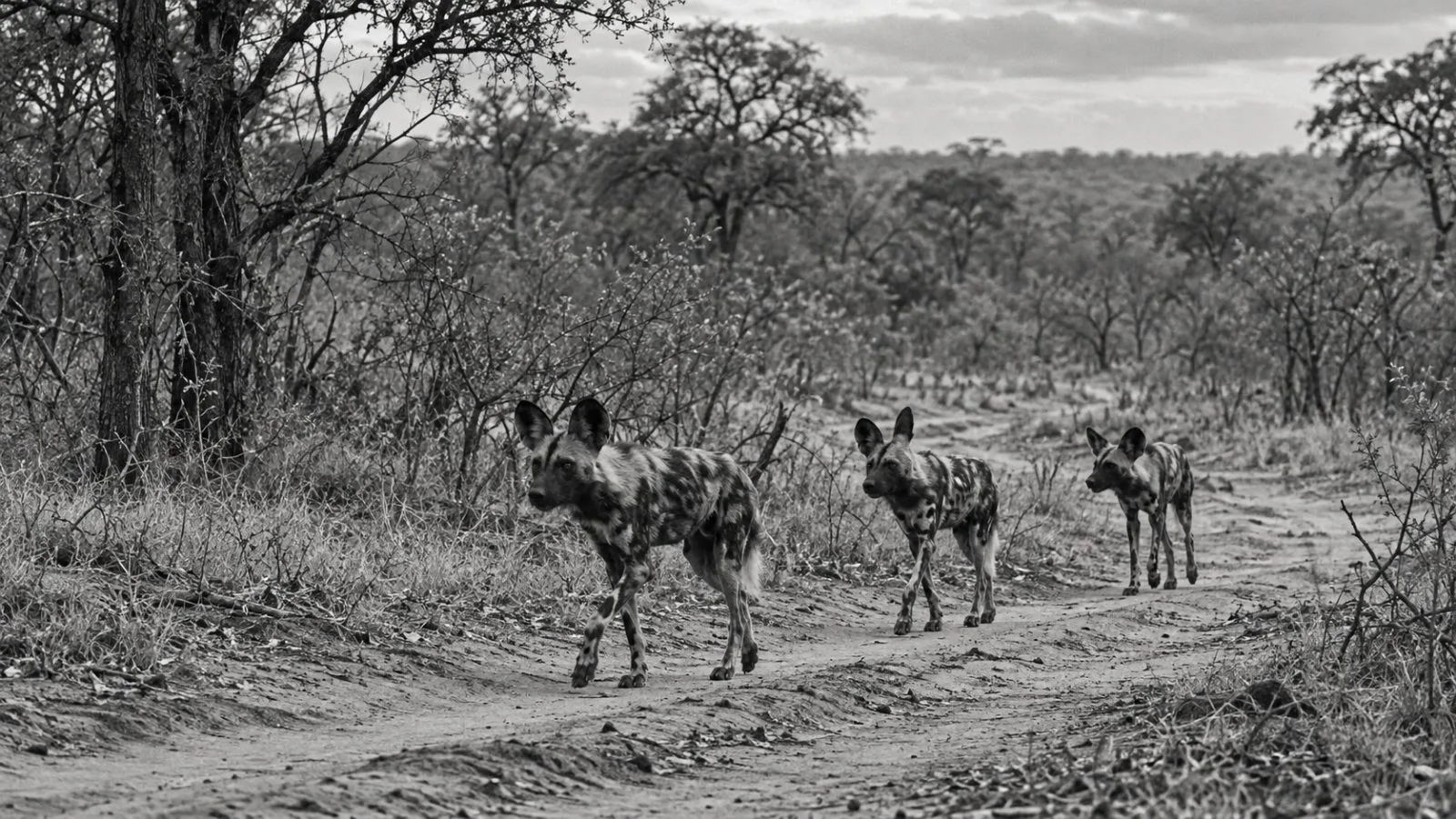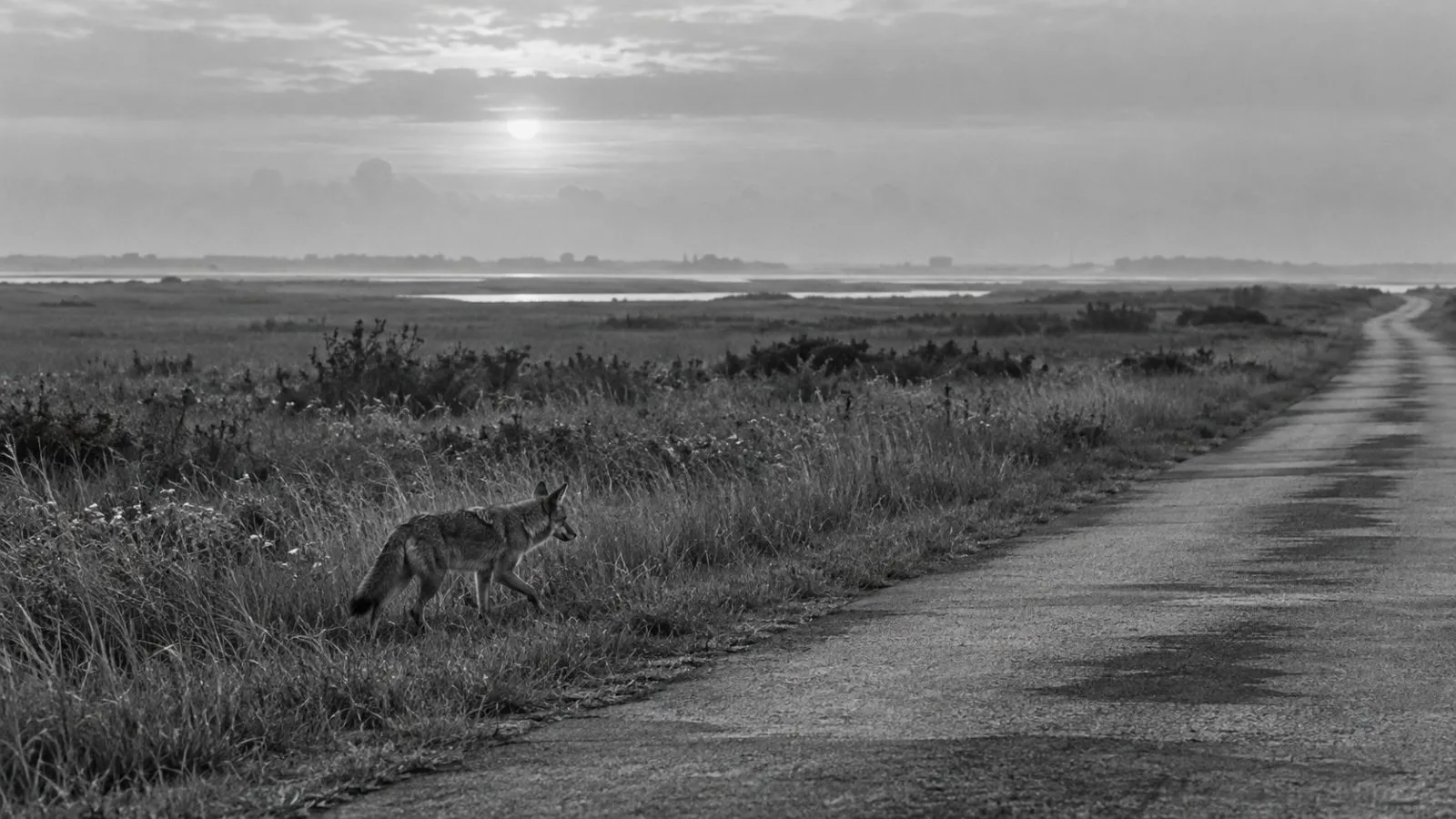
A genetic study found traces of red wolf ancestry in two coyotes from Galveston Island, Texas, a result researchers said could have conservation value but does not show that pure red wolves survived in the wild.
Published Dec. 10, 2018, in Genes, the study examined DNA from two canids killed on roads on the island. Researchers compared the samples with 60 North American reference canids and identified 7,068 genome-wide single-nucleotide polymorphisms (SNPs).
Both Galveston samples shared variants associated with red wolves. The researchers also reported a genetic variant absent from the other North American canids in their comparison. The authors said it might point to red wolf genetic material no longer represented in captive-bred wolves. They described the island animals as coyotes with mixed ancestry, not as evidence of a surviving group of pure red wolves.
The U.S. Fish and Wildlife Service (USFWS) says red wolves were declared extinct in the wild in 1980. By 1972, the agency says, the animals had declined to a small coastal area of southeast Texas and southwest Louisiana. Trapping from 1973 to 1980 supported a captive-breeding program that used 14 red wolves. Reintroduction in northeastern North Carolina began in 1987.
The study considered two explanations for the variants: inheritance from a common ancestor of coyotes and red wolves, or past interbreeding. The authors said their results fit interbreeding better, while leaving common ancestry as a possibility. They said mixed-ancestry animals may retain genetic diversity missing from captive red wolves, but did not establish a plan to use the variants in recovery efforts.
Because the analysis covered only two animals, it could not show how widespread the variants are among Gulf Coast canids. The authors called for further genetic surveys in Texas and Louisiana and noted policy challenges in protecting animals with mixed ancestry. The study set no date for additional surveys.