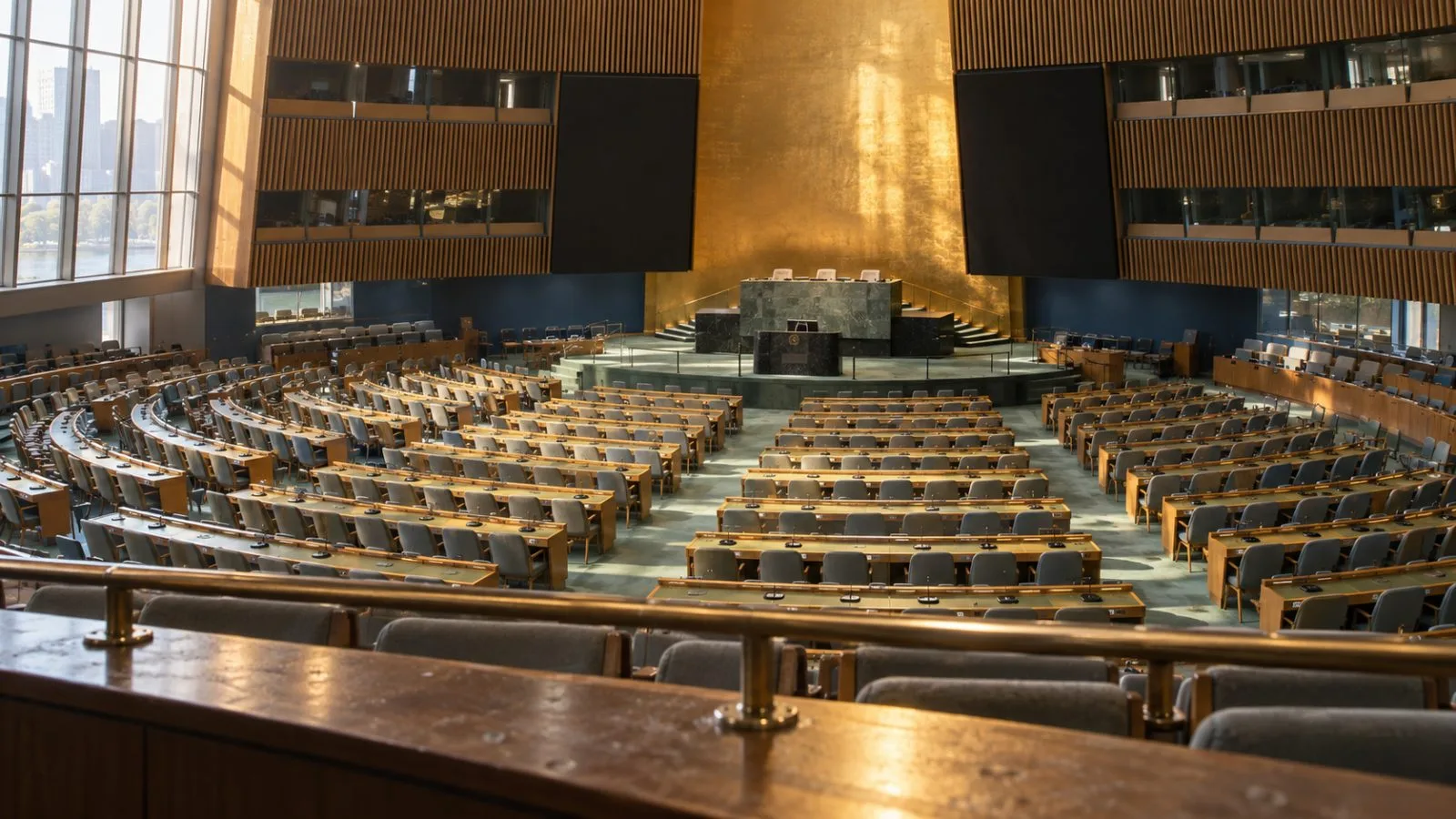
The U.N. General Assembly renewed its call for an end to the U.S. embargo on Cuba on Wednesday, but support for the annual measure dropped sharply as opposition and abstentions increased.
The resolution passed with 130 votes in favor, 17 against and 25 abstentions. In 2025, the tally was 165 in favor, seven against and 12 abstentions. That means support fell by 35 votes, opposition rose by 10 and abstentions increased by 13.
The Associated Press reported that Germany, Italy and Latvia abstained for the first time in 34 years. AP and Reuters also reported that Washington urged governments to oppose the measure or abstain before the vote. The vote followed Cuba’s pre-vote accusation of U.S. pressure.
During the debate, Cuban Foreign Minister Bruno Rodríguez Parrilla said the embargo harms Cubans. U.S. Ambassador to the United Nations Mike Waltz urged member states to reject the resolution and blamed Cuba’s government for the island’s hardship. The European Union said the embargo has economic and humanitarian costs, while also pointing to weaknesses in Cuba’s domestic economy and a lack of reforms. These competing accounts reflect different views of what is driving the country’s difficulties.
The vote is advisory: U.N. guidance says General Assembly resolutions on policy matters generally do not bind member states. The annual measure has been considered since 1992, but its adoption does not itself change U.S. policy.
A Jan. 29 executive order created a process for possible U.S. duties on imports from countries that directly or indirectly sell or otherwise provide oil to Cuba. The Commerce Department is tasked with determining which countries meet that test. The State Department, in consultation with other departments, recommends whether duties should apply and to what extent; the president makes the final decision.