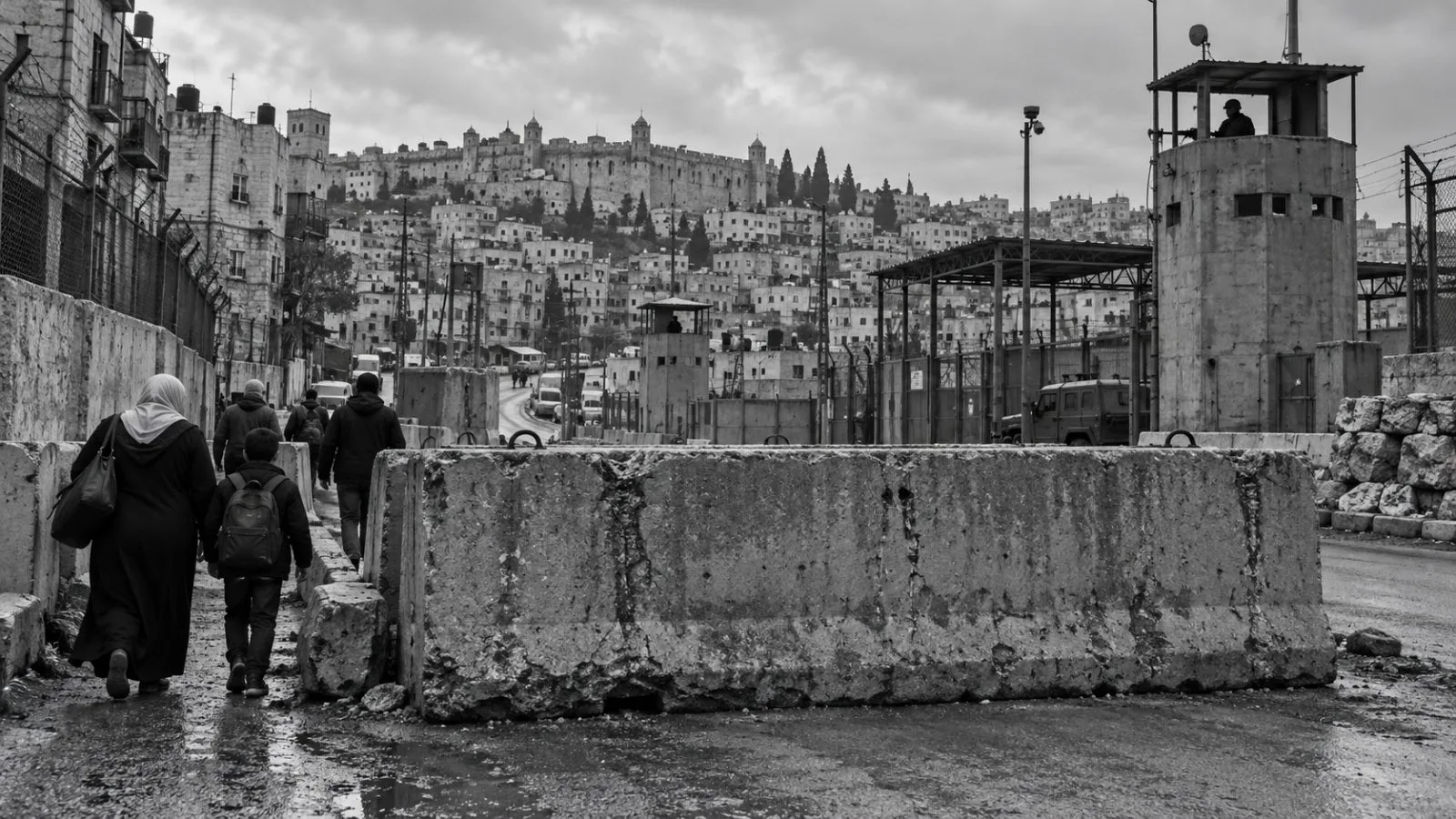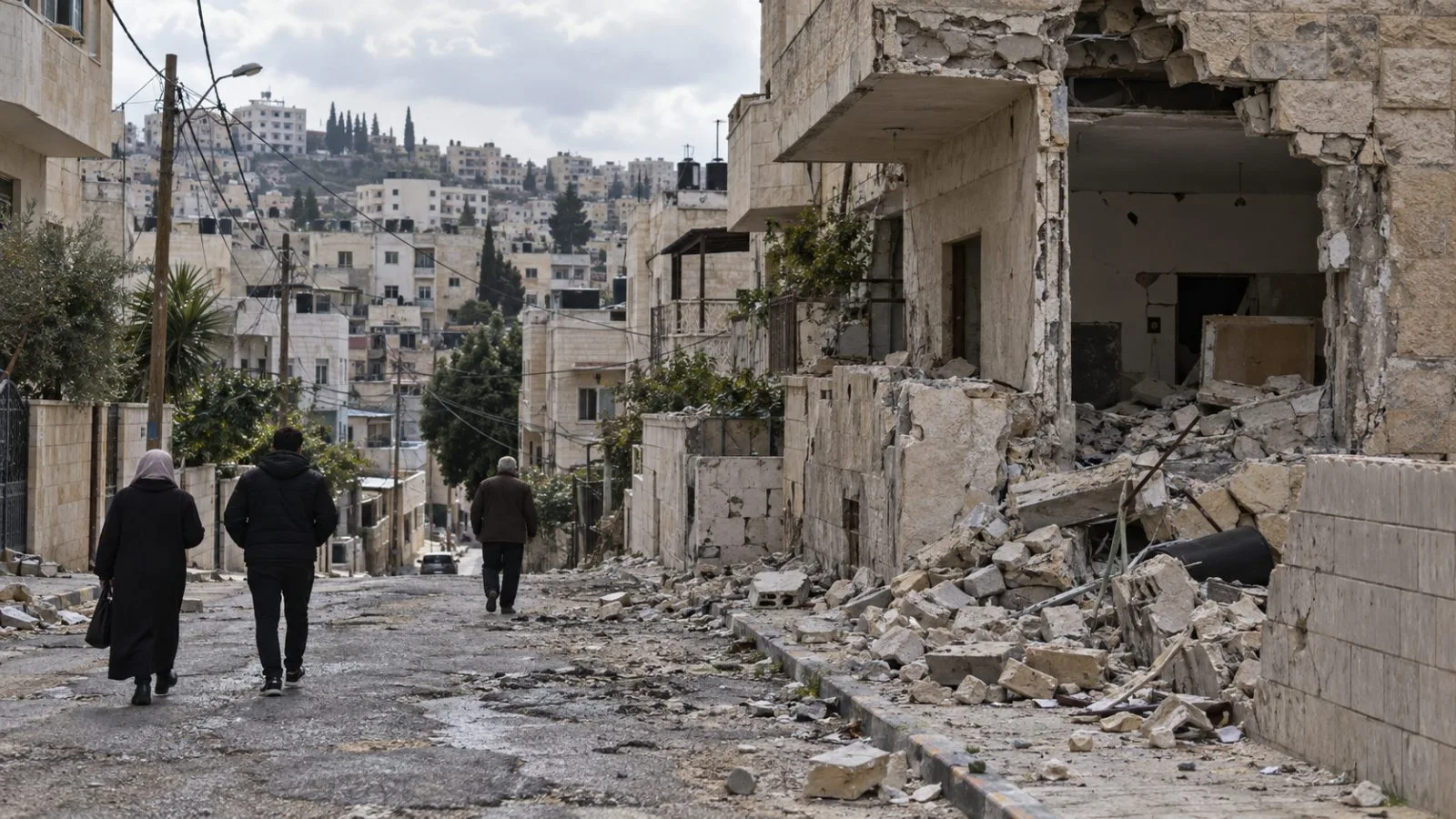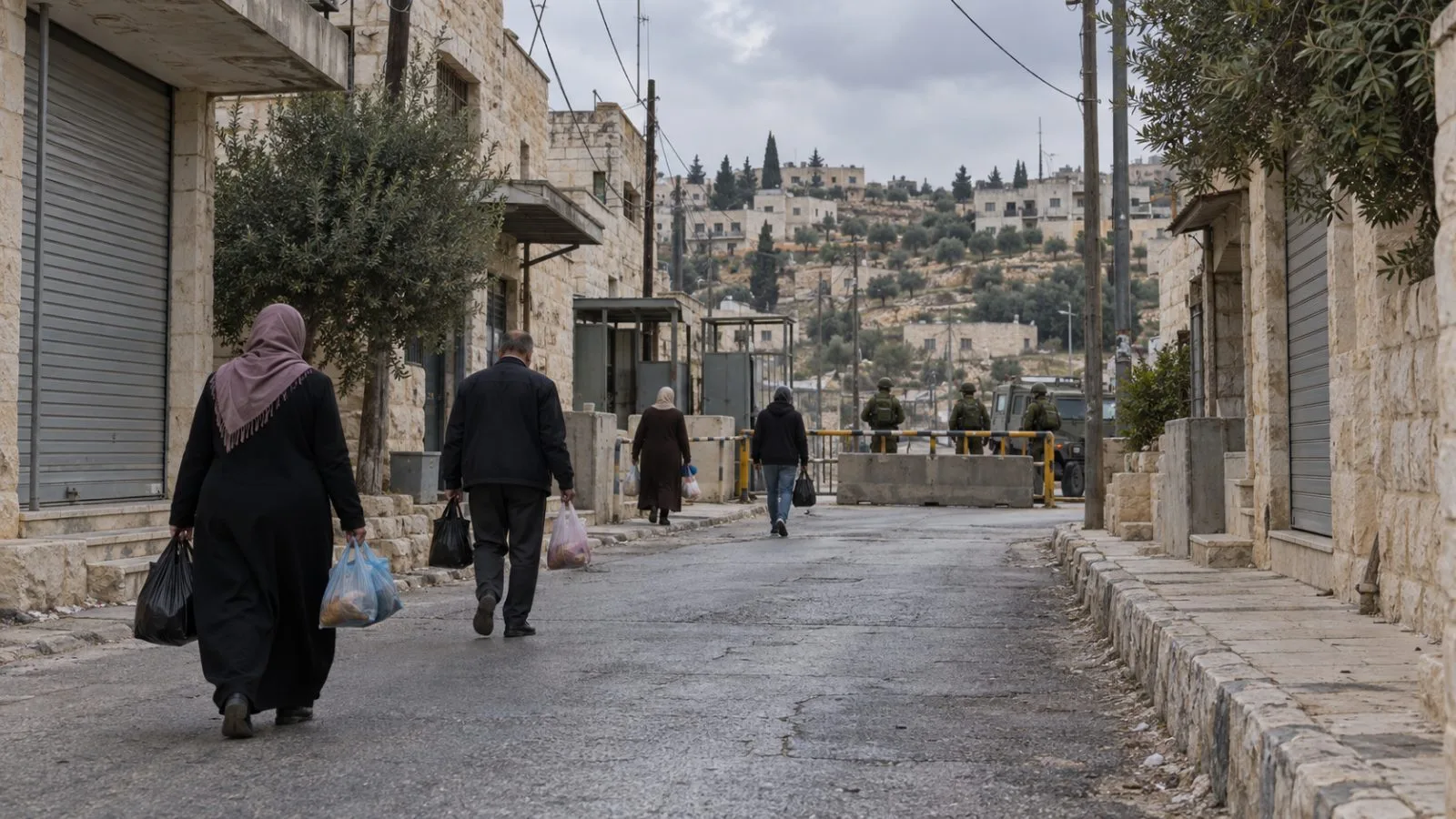
Israel's Hebron operation has displaced thousands of Palestinians and drawn a U.N. rights chief's call to end a campaign involving demolitions and restrictions on residents' movement.
The Office of the U.N. High Commissioner for Human Rights (OHCHR) said Oct. 26 that more than 2,000 Palestinians had been forcibly displaced. U.N. High Commissioner for Human Rights Volker Türk called for displaced residents to return and receive compensation and reparation for evictions and demolitions he described as unlawful. He said threats to empty entire neighborhoods raised “serious concerns of ethnic cleansing.”
Reported totals vary by source and update. UN News, citing the U.N. Office for the Coordination of Humanitarian Affairs (OCHA), reported that aid partners were helping local authorities provide for more than 3,000 people who had left since Friday. A Hebron Municipality update carried by WAFA counted about 3,171 people who left homes in Deir Bahha and Al-Jalda, with 488 families affected. A later WAFA report citing the Follow-up, Support and Relief Committee estimated about 3,971 people and 619 families. The reports do not explain the difference. WAFA also reported 85 arrests since the operation began.
The operation began Oct. 23, after a checkpoint shooting near Hebron left two Israeli soldiers dead. The two Palestinian gunmen were killed, and the Associated Press reported that three other soldiers were wounded. The Israel Defense Forces said searches would cover weapons and infrastructure in the area where the attackers operated, with the operation expected to last several days. Residents could leave through three designated points after questioning and security checks, the military said.
Fahed Ahmro, a 51-year-old city worker, told the Associated Press he had gone to a relative's home. “It’s a very difficult situation,” he said.
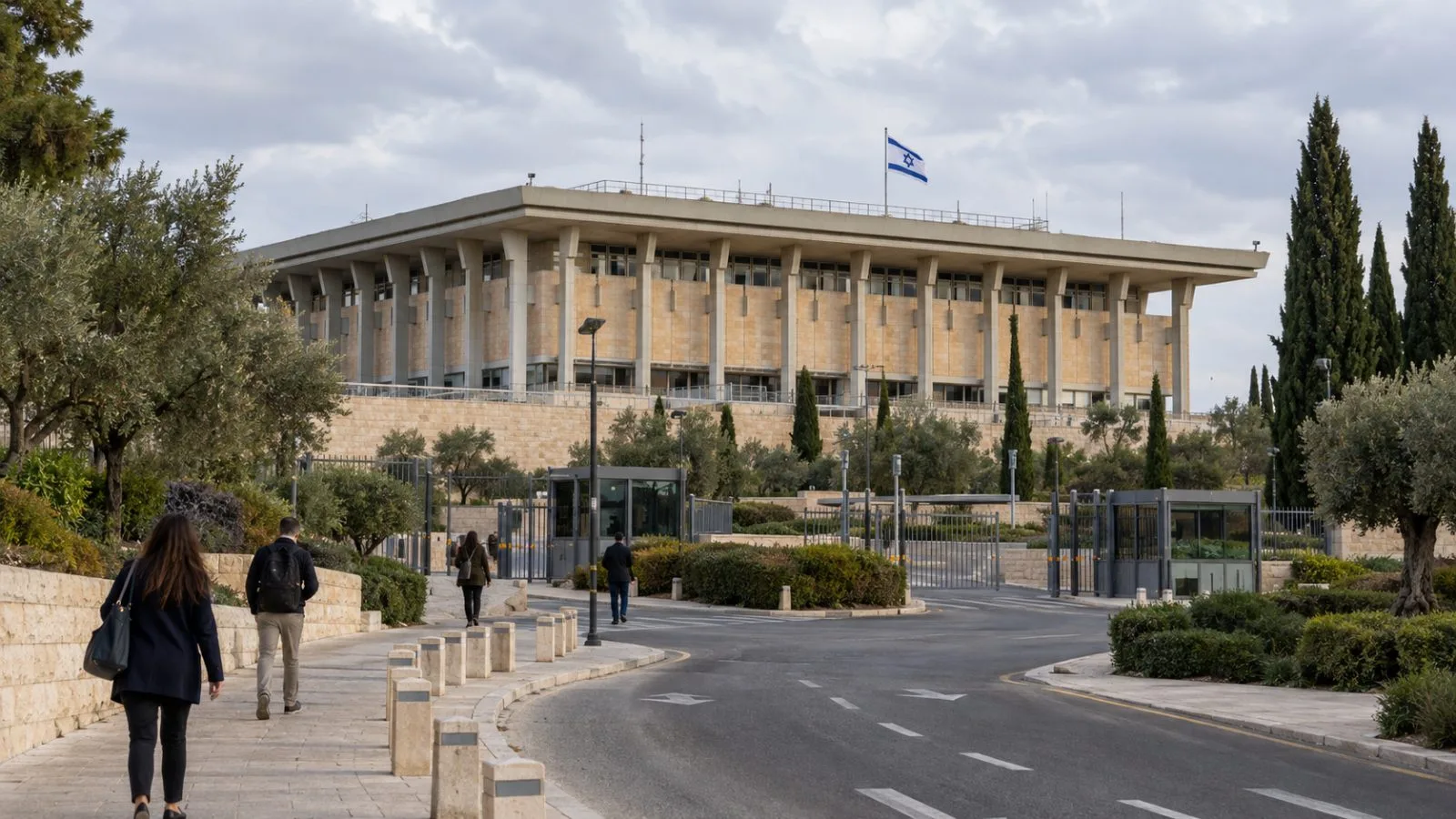
The operation began four days before Israel's Oct. 27 election for the 26th Knesset. The Associated Press quoted International Crisis Group analyst Amjad Iraqi as saying politicians had reason to appear forceful and reassure settlers before the vote.