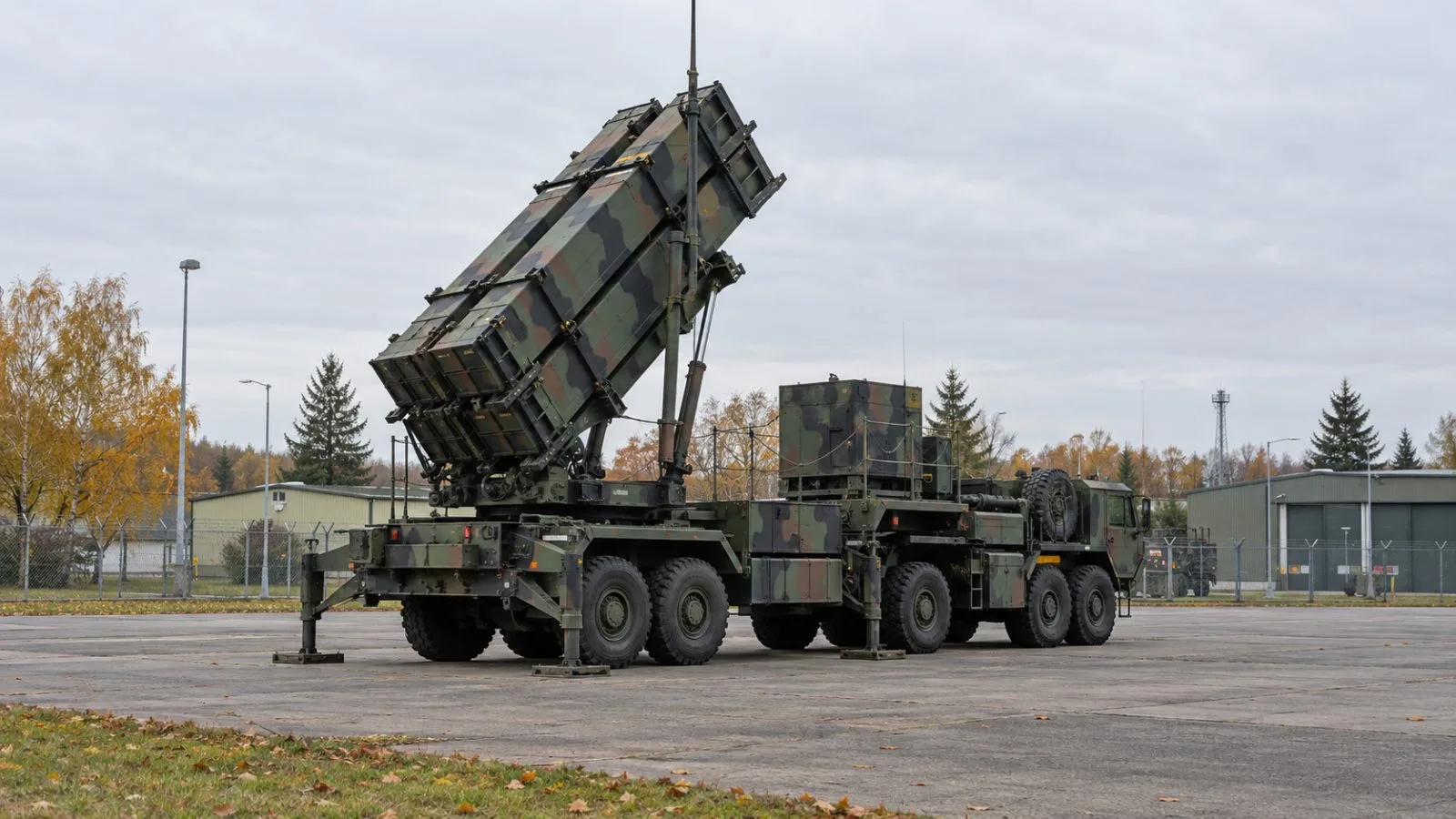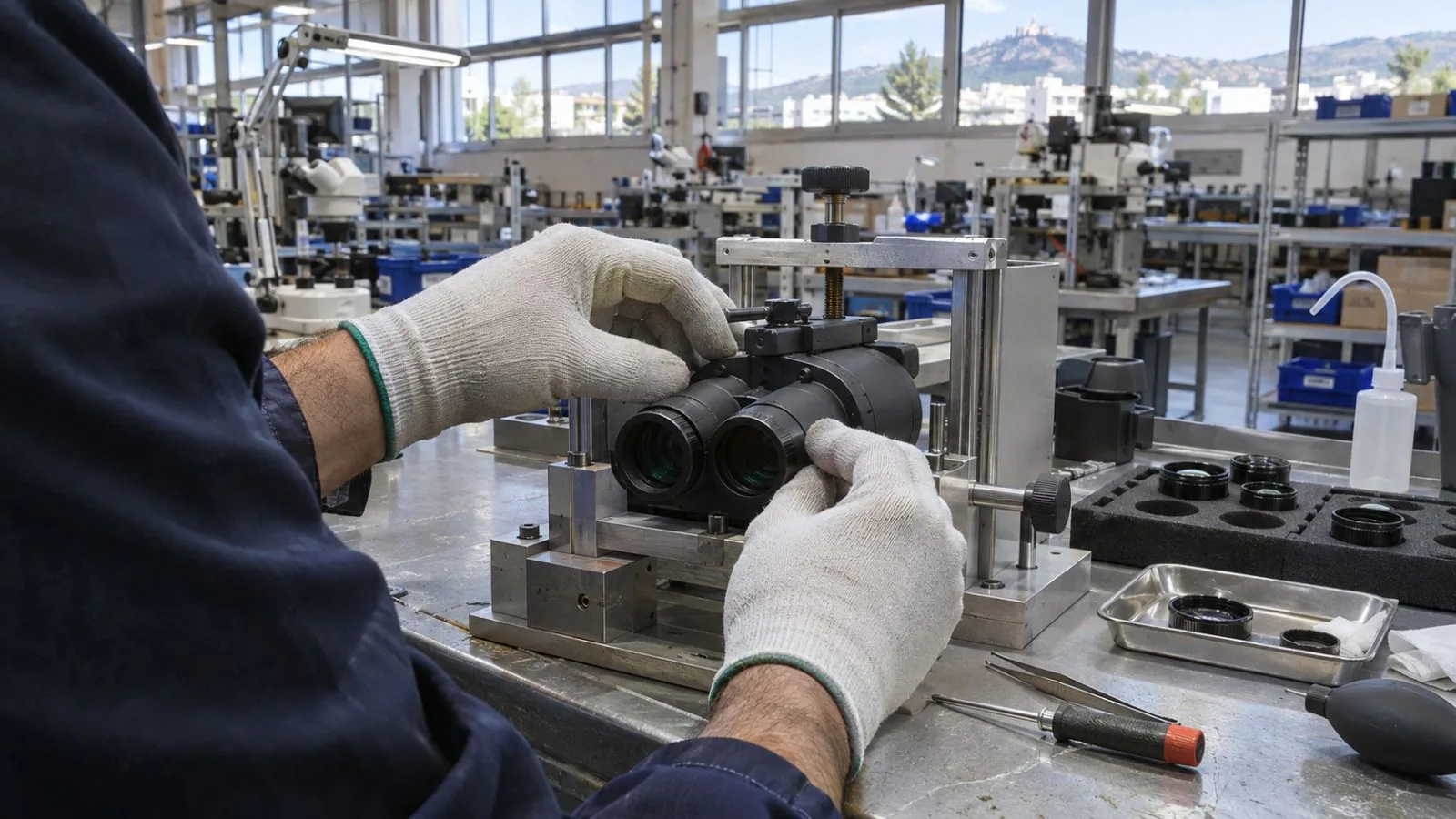
Several U.S. defense suppliers reported third-quarter revenue gains or record backlogs, while Army-support orders and rocket milestones showed the scale of activity across military production programs.
General Dynamics reported revenue of $14.6 billion for the quarter ended Oct. 4, up 12.9% from a year earlier. Operating earnings were $1.5 billion, and diluted earnings per share were $4.49. Orders totaled $98.8 billion, including $93.8 billion in defense segments, while the company’s backlog stood at $220.3 billion.
Lockheed Martin reported sales of $20.7 billion and net earnings of $1.8 billion for the quarter ended Sept. 27. Its backlog reached a record $292 billion, 27% above the second quarter. Leonardo DRS reported revenue of $1.1 billion for the quarter ended Sept. 30, up 11% year over year, and a record funded backlog of $5.6 billion, up 21%. It raised its 2026 revenue outlook to $3.95 billion to $3.985 billion and adjusted diluted earnings-per-share forecast to $1.50 to $1.53.
L3Harris reported $121 million in Low-Cost Data Radio production orders in an announcement on Nov. 2. In a separate announcement the next day, it reported a $36 million order for Hawkeye 4 Lite satellite communications terminals. The latter order supports the Army’s Command and Control Network Optimized for Warfighting initiative.
Lockheed Martin said annual GMLRS rocket production was nearing 14,000, a rate reached ahead of plan, and marked deliveries at 100,000. It also reported that a new solid rocket motor developed with General Dynamics Ordnance and Tactical Systems had completed an initial test. Qualification is planned for 2027; Lockheed Martin said successful qualification would provide a third domestic source for the component.
Lockheed Martin says M270 and HIMARS launchers fire GMLRS rockets. It reports a supplier network spanning 35 states and involving more than 200 companies, with more than 50 designated as small businesses.
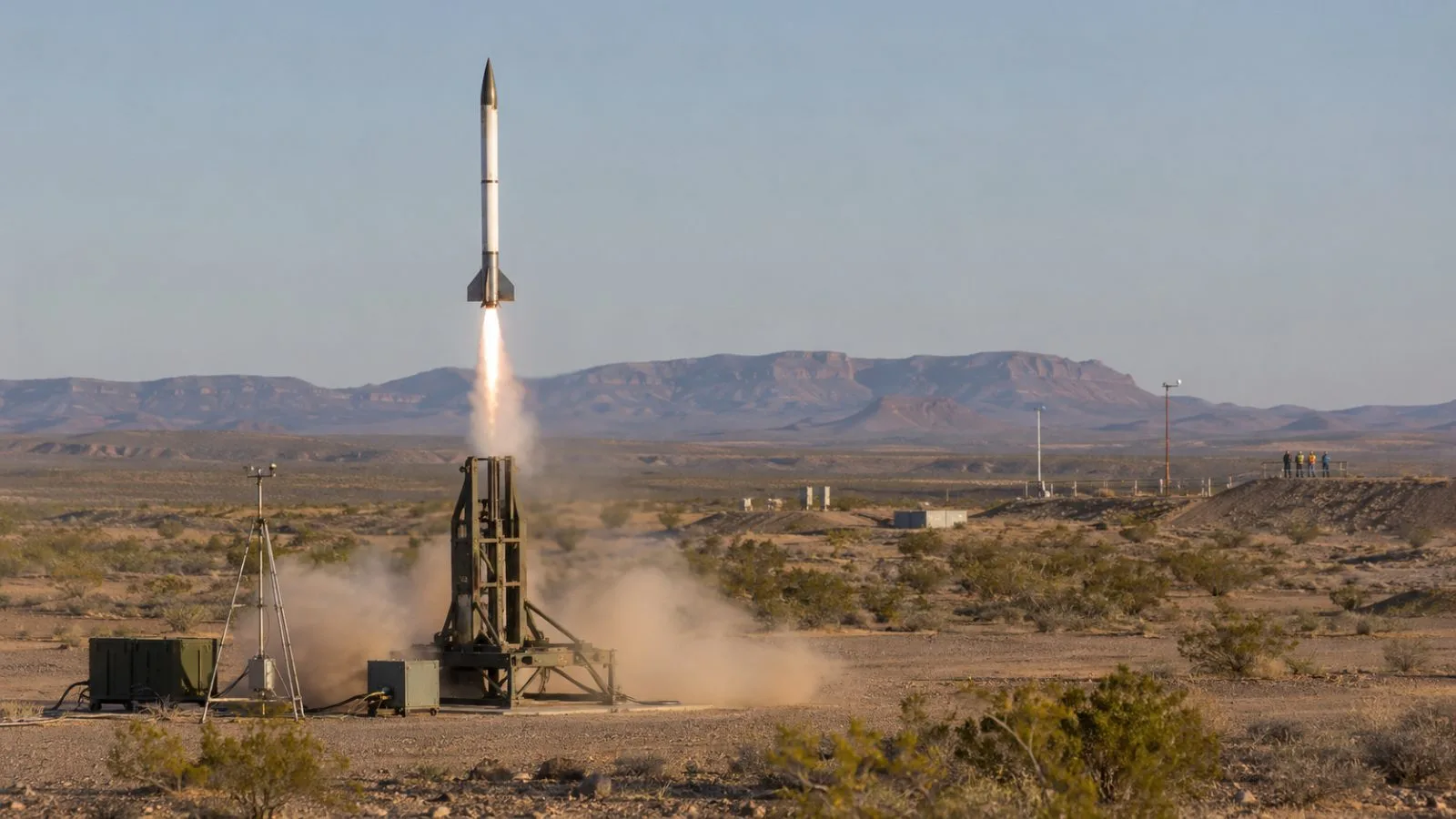
Raytheon, an RTX business, said its DeepStrike JR3 solution completed a third successful flight test for the Army’s Joint Reduced Range Rocket program. The company said several rounds were fired at Yuma Proving Ground, where teams assessed flight distance and path, precision, marking-solution visibility, and whether the launch pod could be maintained and used again. Lockheed Martin said motor qualification is planned for 2027; Raytheon said further flight tests are in preparation ahead of qualification but gave no dates.