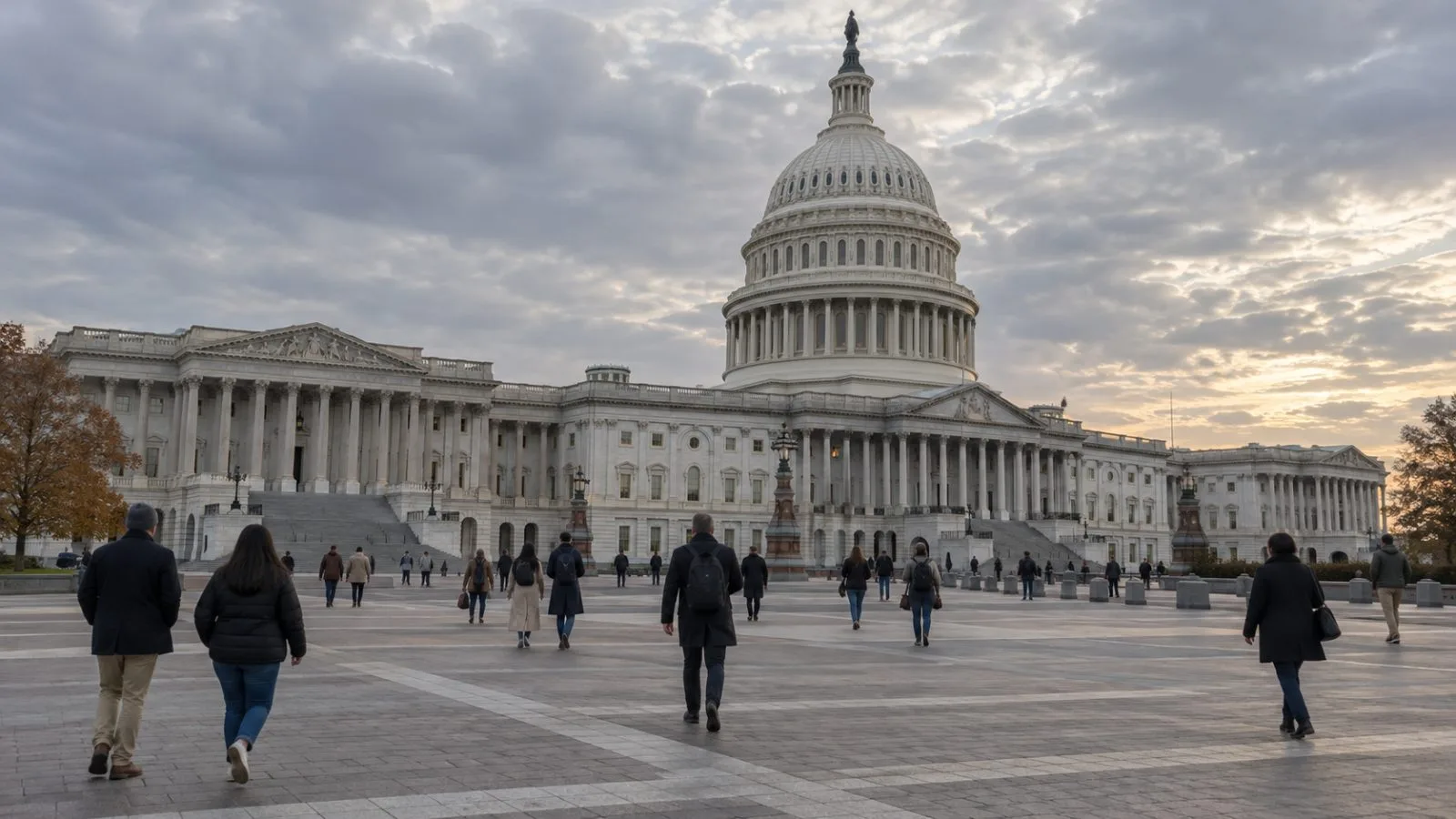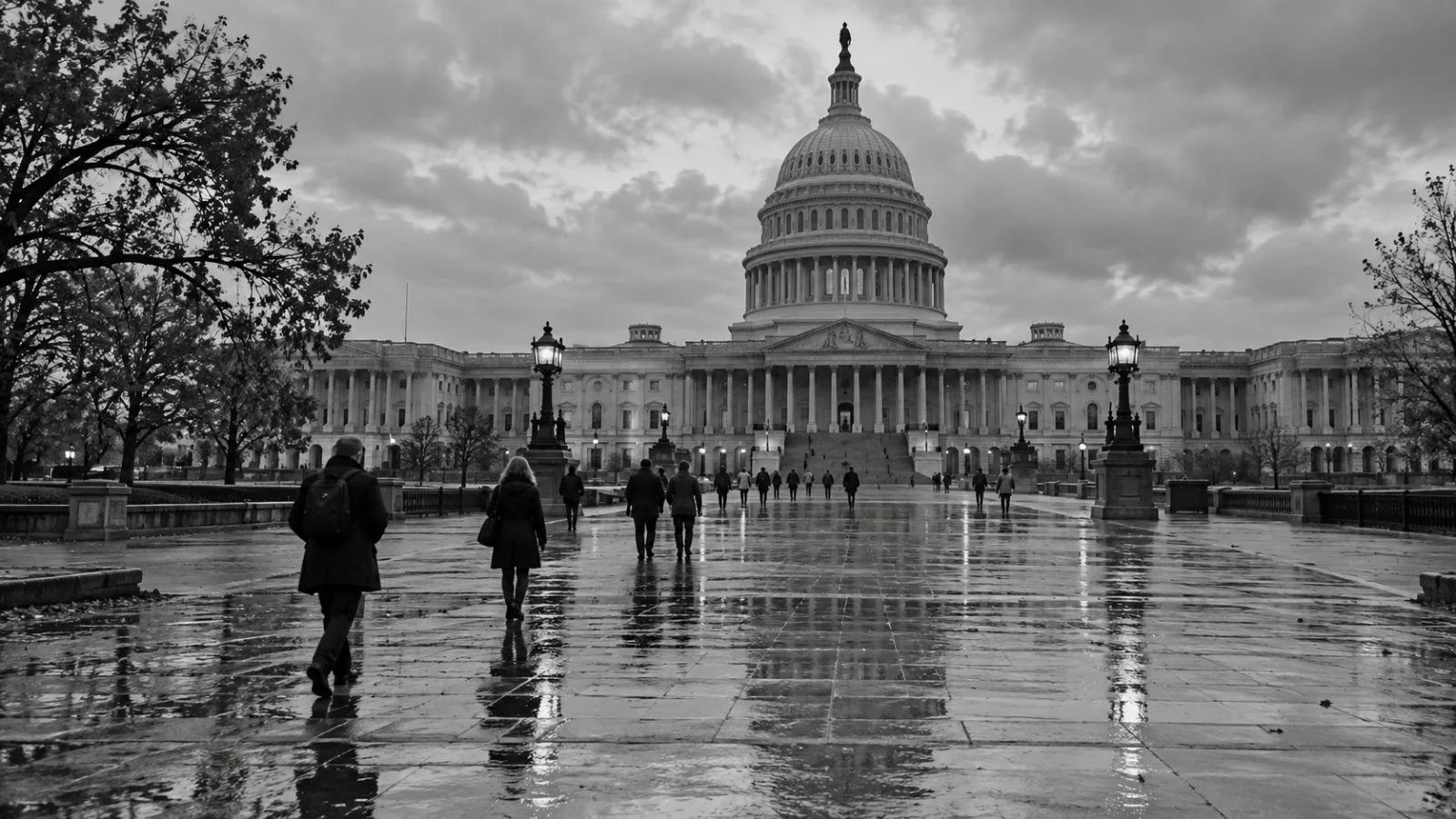
U.S. voters will choose Congress on Nov. 3, a result that will shape legislative oversight and arrive weeks before a trade program for African exporters reaches its year-end expiration.
The Federal Election Commission lists Nov. 3, 2026, as the next regular federal election. The U.S. Postal Service’s 2026 calendar includes all 435 House seats, 35 Senate seats and 36 governorships among the contests. The presidency is not on the ballot. Republicans currently control the House and Senate, according to the House History, Art & Archives party-government table.
One deadline facing lawmakers concerns the African Growth and Opportunity Act (AGOA). The program gives eligible sub-Saharan African countries duty-free access to the U.S. market for most exports. U.S. imports under AGOA totaled $8.0 billion in 2024, down 13% from $9.3 billion in 2023, the Congressional Research Service reported.
Public Law 119-75, signed Feb. 3, 2026, extended AGOA’s authorization through Dec. 31, 2026. The law also provides retroactive duty-free treatment, subject to conditions, for certain covered imports made after Sept. 30, 2025, and before enactment.
Federal law schedules the next Congress to begin Jan. 3, 2027—three days after the current authorization expires. The Congress elected in November will therefore not yet be in session at the deadline; the current Congress remains in office until the new term begins.
Congressional committees can review how federal agencies carry out legislation, the Senate says. In a Feb. 7, 2025, executive order, President Donald Trump directed agencies to halt foreign aid or assistance to South Africa to the maximum extent allowed by law. The order allowed agency heads to permit aid they considered necessary or appropriate. A change in congressional party control can affect oversight and legislation, but would not by itself cancel the order.
The immediate date for AGOA is Dec. 31, when its current authorization expires.