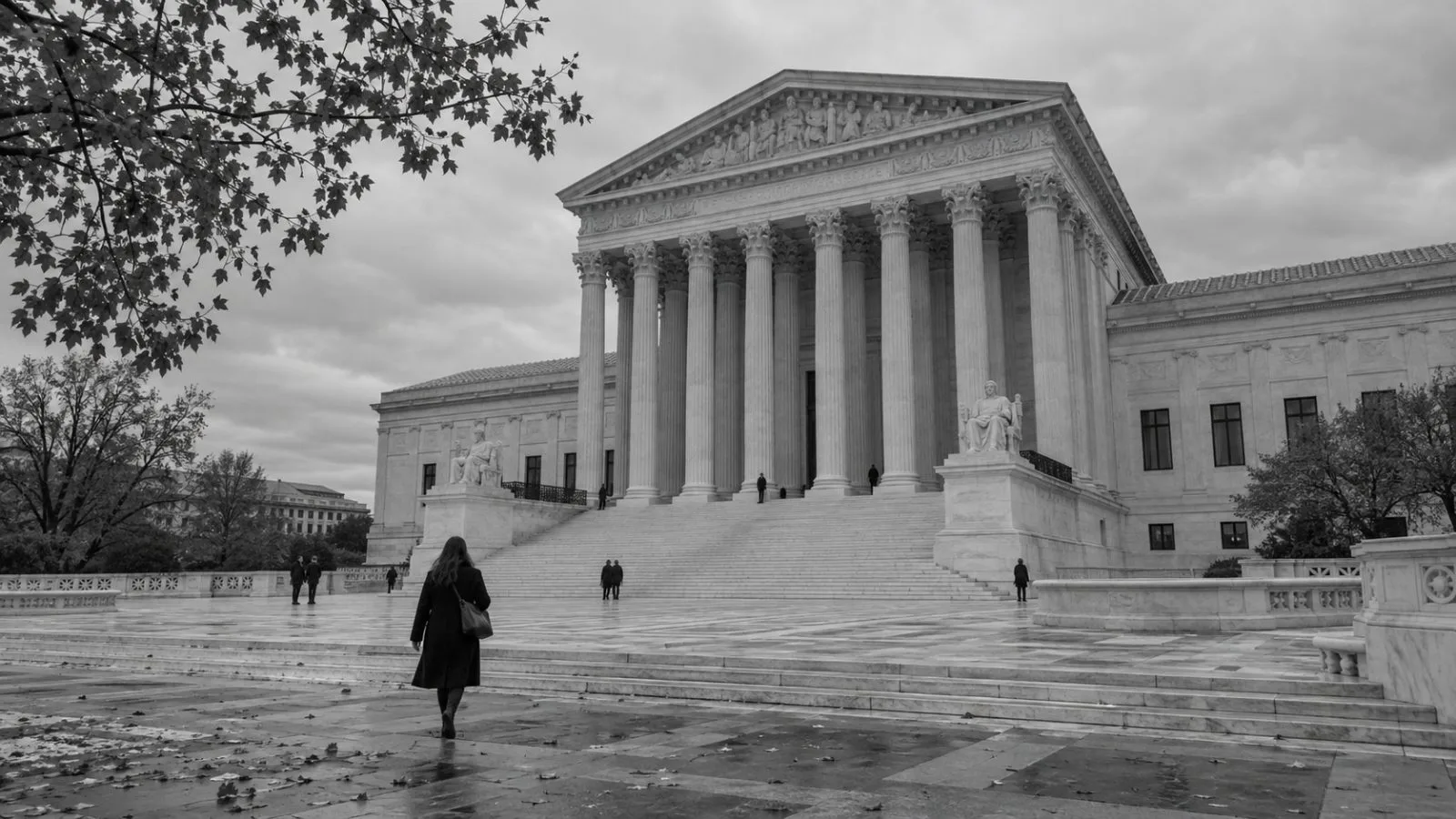
University of Virginia law professor Caleb Nelson warned in an Oct. 23 interview with Executive Functions that the Supreme Court’s decision in Trump v. Slaughter risks extending presidential control over federal agencies. On June 29, the court ruled that statutory protections for Federal Trade Commission commissioners violate the separation of powers, reversing and remanding the case brought by former commissioner Rebecca Kelly Slaughter.
The case followed President Donald Trump’s March 2025 removal of Slaughter and fellow commissioner Alvaro Bedoya. Trump said their continued service conflicted with his administration’s priorities; the statute allowed commissioners to be removed only for inefficiency, neglect of duty or malfeasance in office. Bedoya resigned during the litigation, leaving Slaughter’s challenge before the court.
The legal dispute centers on how much authority Article II gives the president over executive officials. The court’s majority said officers exercising presidential power must be removable by the president. Nelson argues that the Constitution does not specify removal rules in that way and that Congress’s power under the Necessary and Proper Clause should allow it to set some conditions for executive offices. His working paper says the constitutional text is ambiguous on the issue and contests the majority’s account of early American history.
Nelson said the ruling also raises concerns for bodies that review federal personnel decisions, including the Merit Systems Protection Board. The Slaughter opinion did not decide whether Congress may protect that Board’s members from at-will removal; Nelson said the court had not explicitly ruled on that question.
The Federal Reserve marks another unresolved boundary. The court cited the Fed’s historical tradition as a possible basis for different treatment, but left the issue for another case; Nelson criticized the court’s selective consideration of consequences.