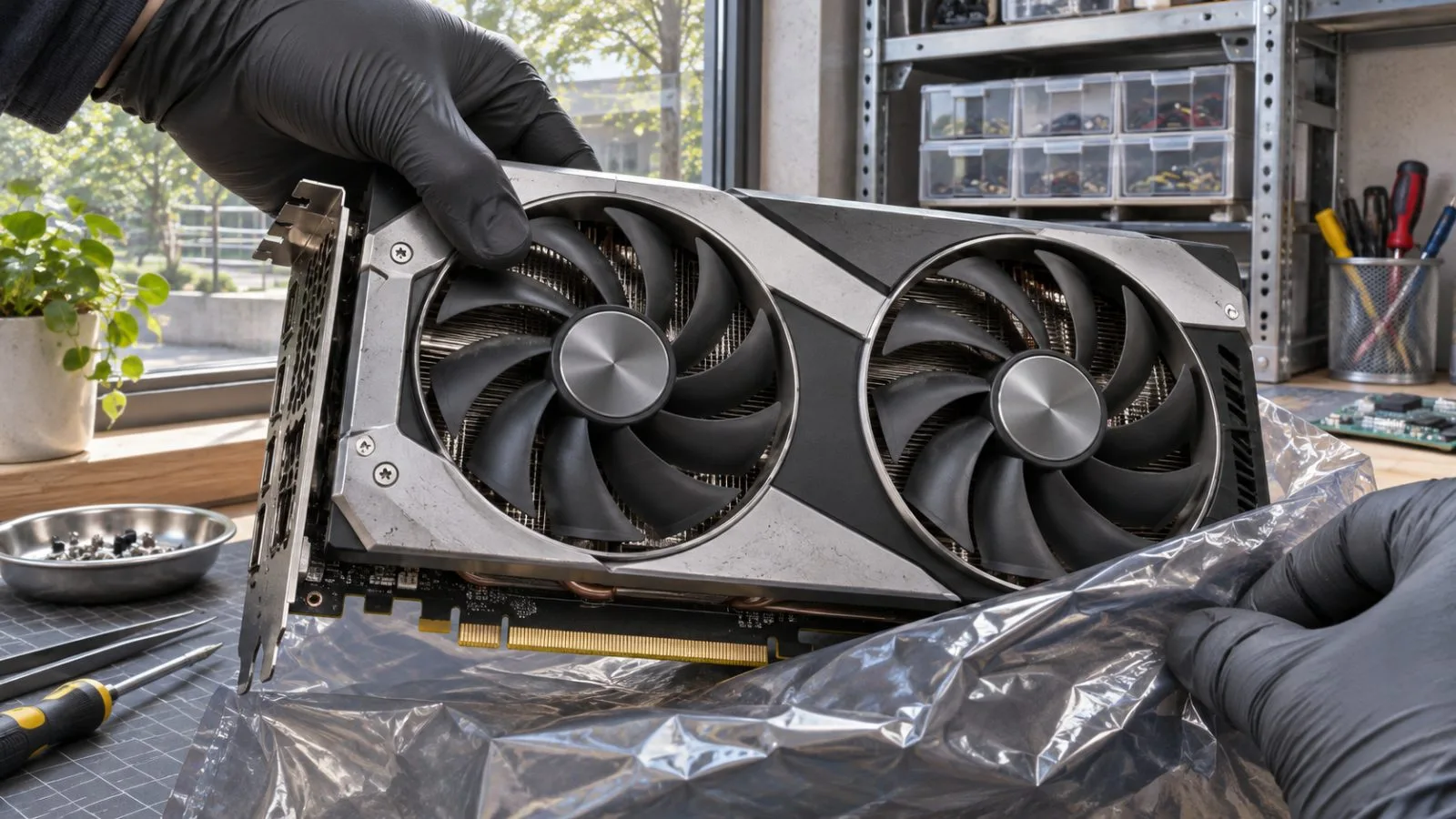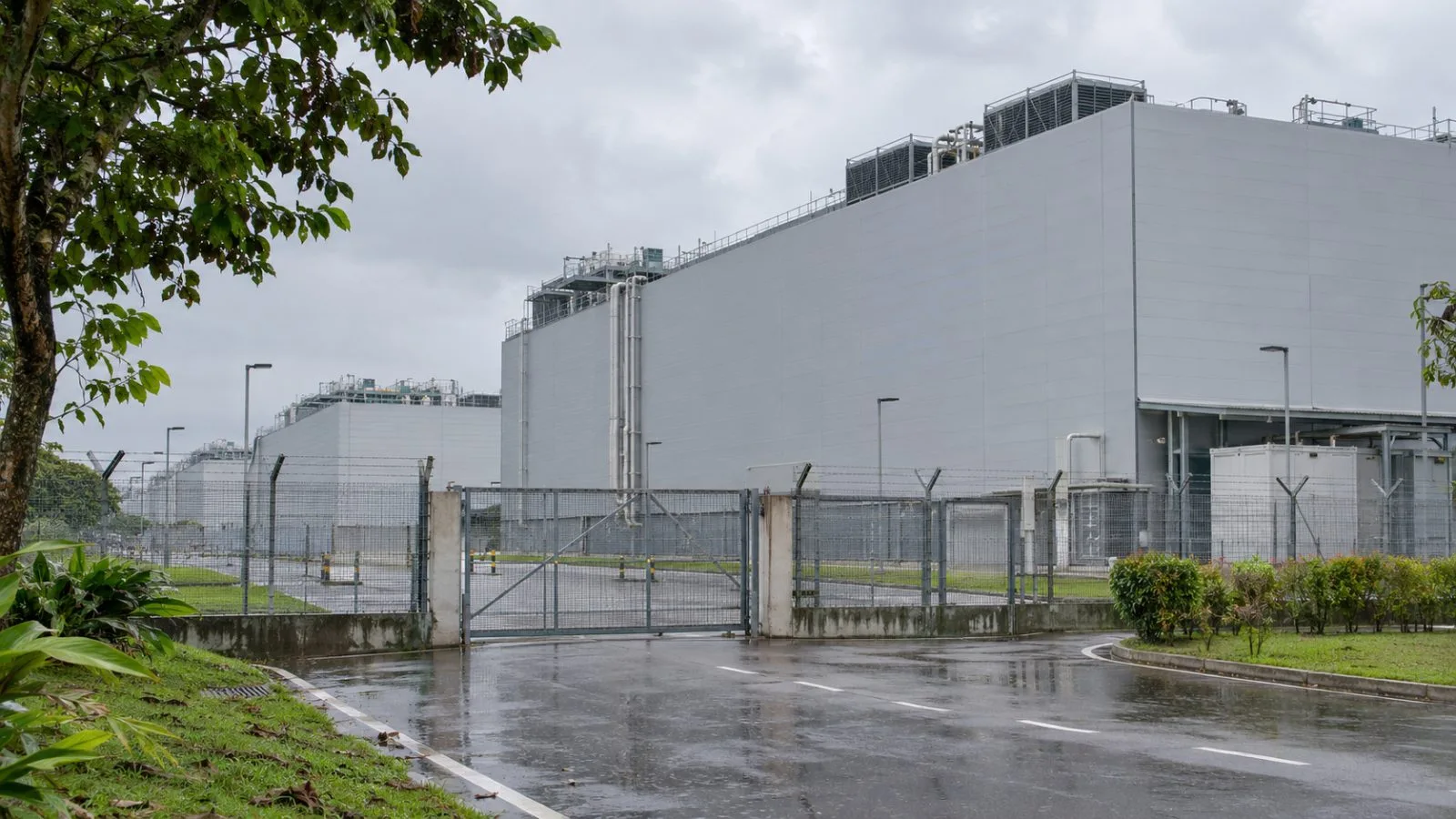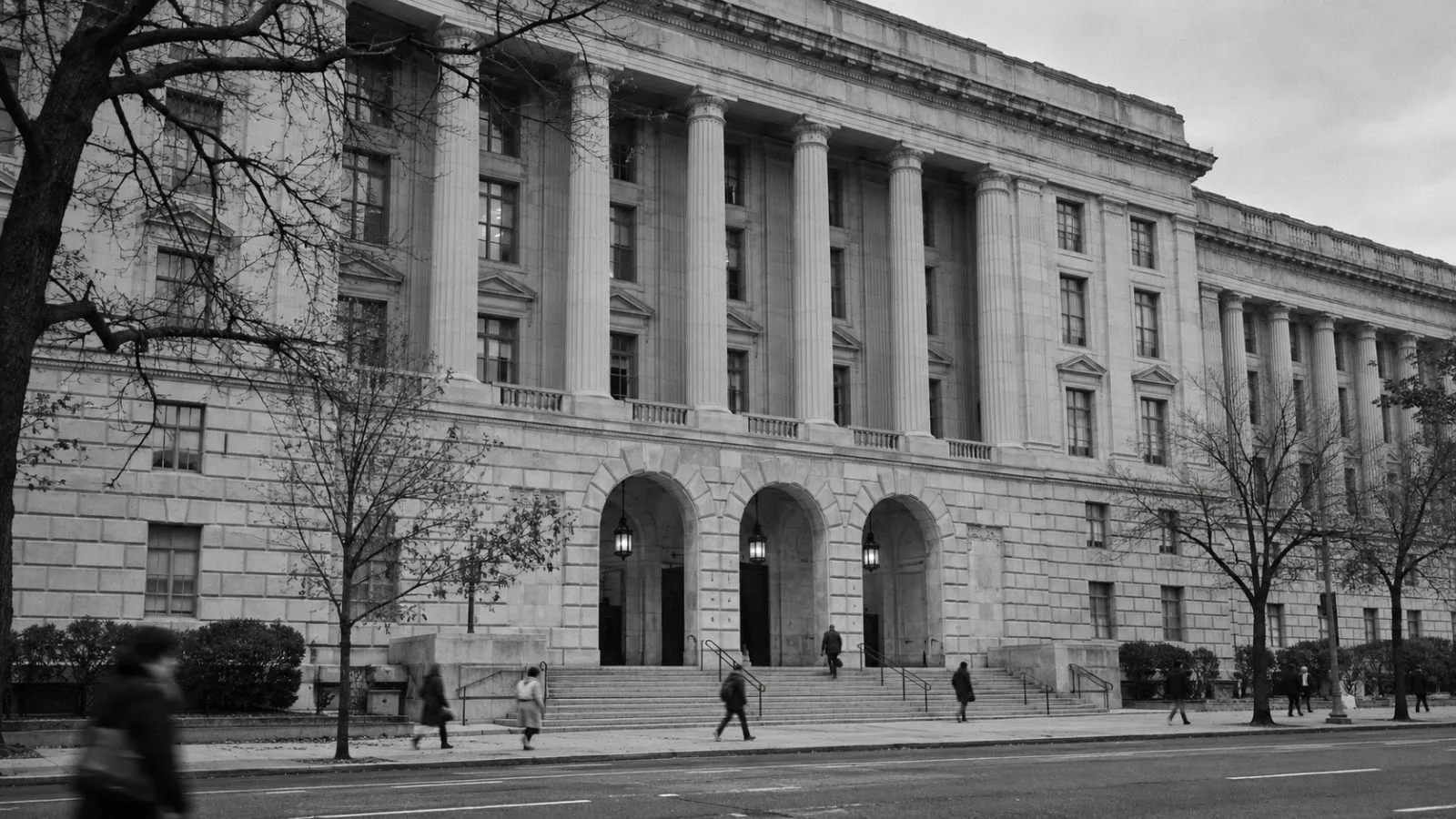
The Commerce Department’s Bureau of Industry and Security announced a rule Nov. 16 addressing remote access to advanced computing at overseas data centers, including cases in which restricted users obtain computing power without receiving the chips themselves.
BIS says its interim final rule is intended to prevent users from bypassing existing restrictions on sensitive U.S. technology by renting computing capacity remotely. The agency did not quantify how much computing capacity China has obtained through such arrangements.
The Institute for Progress, a think tank, estimates China could have remote access to about 1 million H100-equivalent units of AI computing capacity by the end of 2026. Its estimate ranges from 680,000 to 1.46 million units. For the end of 2027, the group projects about 2.8 million units, within a range of 1.97 million to 3.91 million. These are think tank estimates, not government measurements.
Separately, the House Energy and Commerce Committee said in a Nov. 18 letter that it is conducting oversight concerning allegations involving former Nvidia CEO Jensen Huang and a possible Chinese intelligence asset. The letter documents the committee’s scrutiny but does not establish that the woman was an intelligence asset or that she obtained sensitive information.
South Korea’s Supreme Prosecutors’ Office has pursued a separate case involving alleged semiconductor technology leakage. The office described an accused executive as a former Samsung Electronics memory-business diffusion-technology manager and a former head of 17-nanometer DRAM development at CXMT, where he served from 2016 to 2020. The account reflects prosecution allegations, not findings established by a court judgment.
Chipmaking equipment is also subject to export controls. ASML said sales of its extreme ultraviolet systems had already been restricted and that Dutch rules required licenses for shipments of specified advanced immersion deep ultraviolet systems.
BIS said the rule brings remote computing arrangements under protections that complement existing controls on physical shipments of sensitive technology. Its announcement did not give a date for a later decision, and the committee letter did not specify a legislative outcome.